Montana Adventure - Nevada City, Boot Hill Cemetery, Virginia City Cemetery and Earthquake Lake
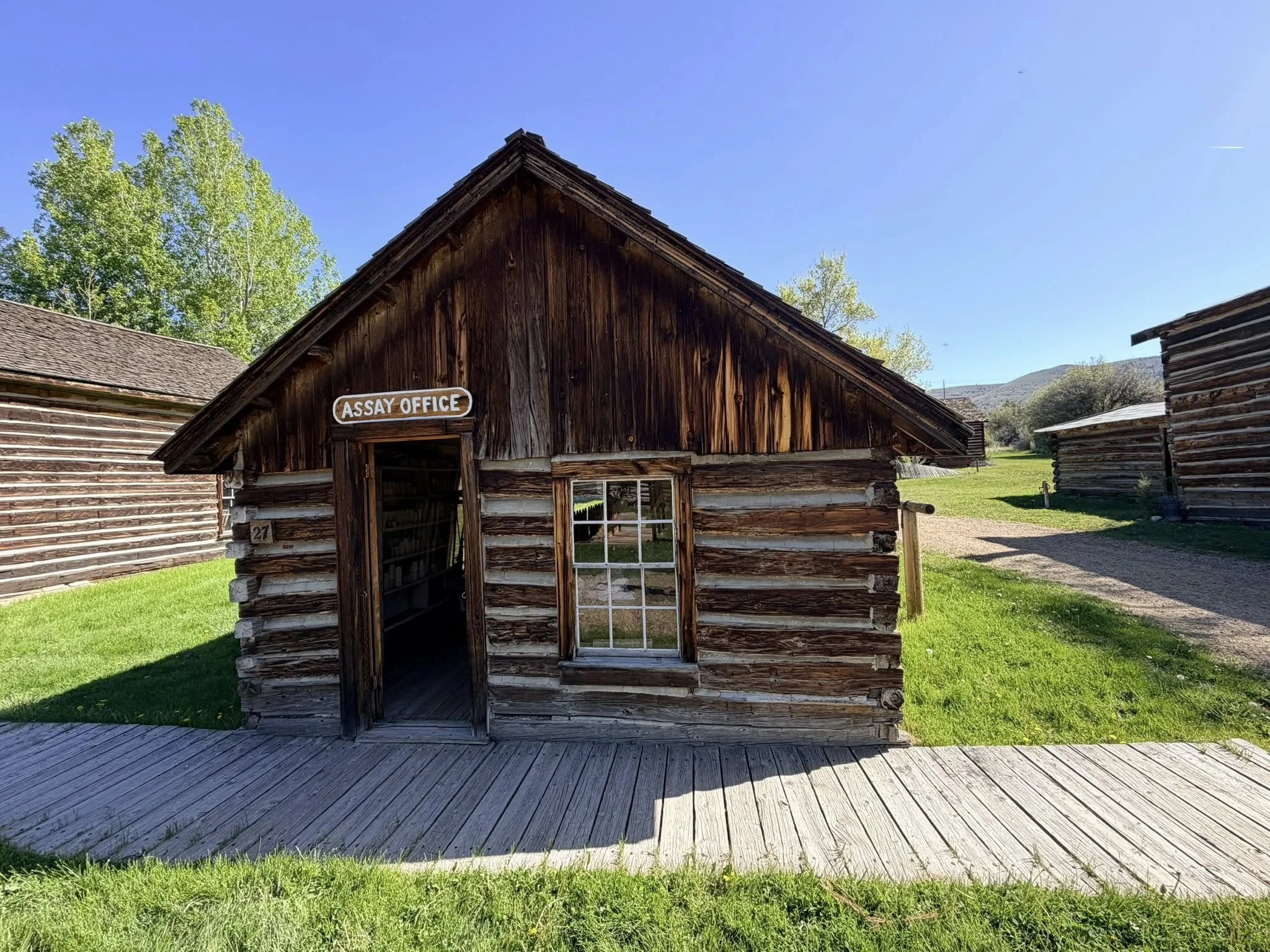
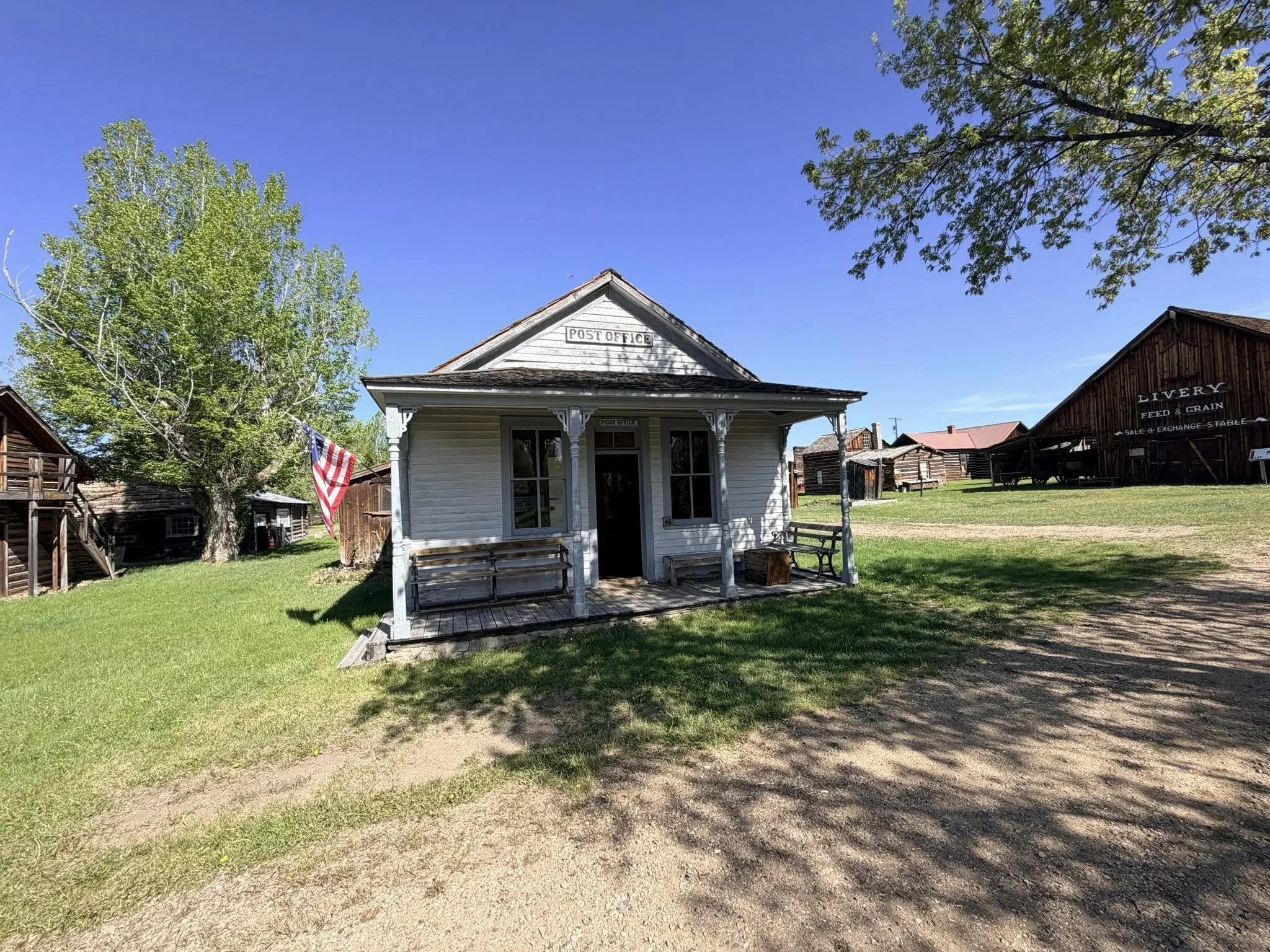
First stop was Nevada City, but apparently the town hadn’t quite had its coffee yet because almost nothing was open. Since the whole town is basically a living museum, we decided to head down the road to Virginia City for a bit and visit the cemeteries we somehow missed the first time. Honestly, the shocking part isn’t that we wanted to visit cemeteries... it’s that we didn’t go the first day we were there. We didn’t even think about them. That’s honestly concerning behavior for us.
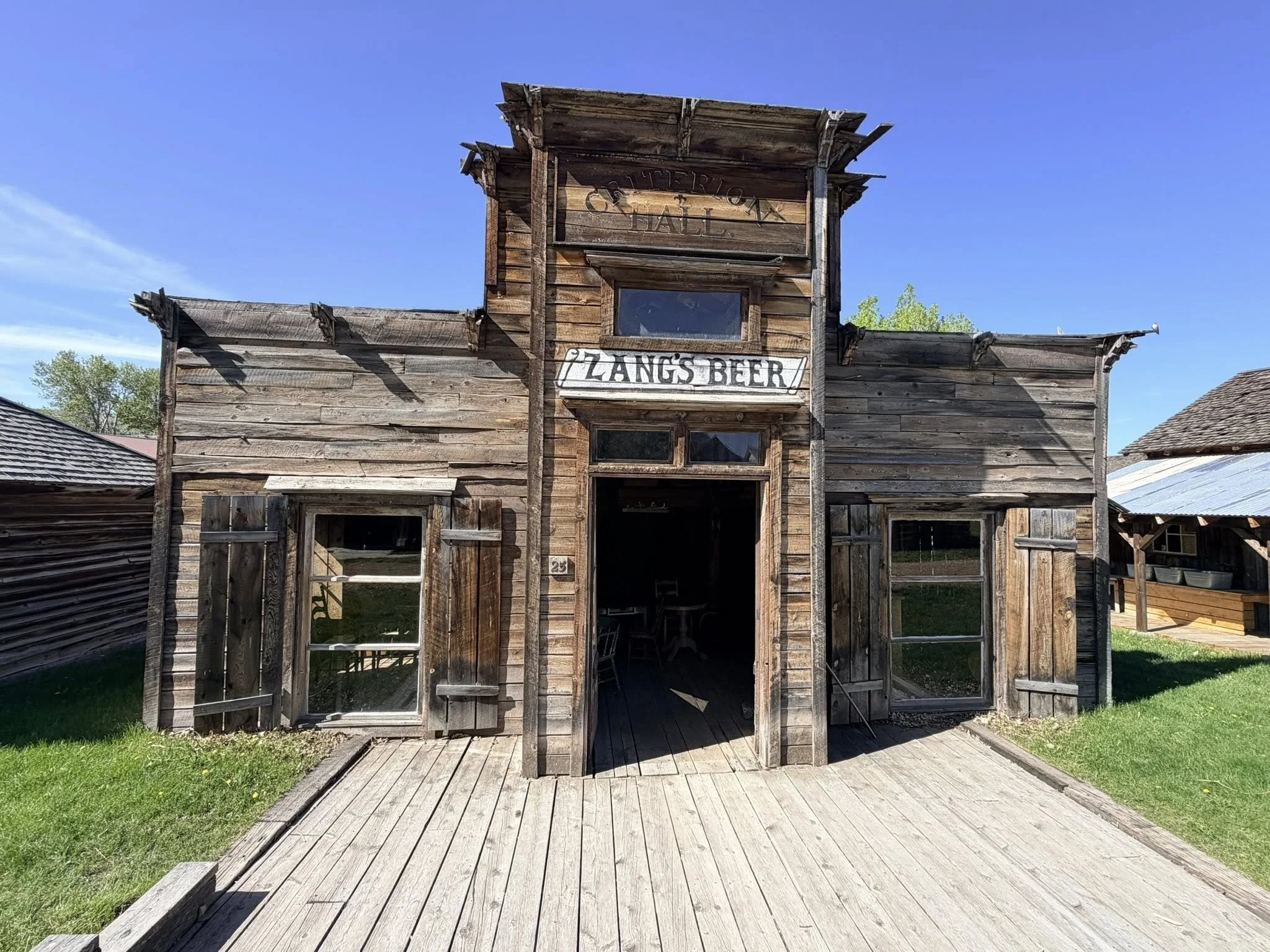
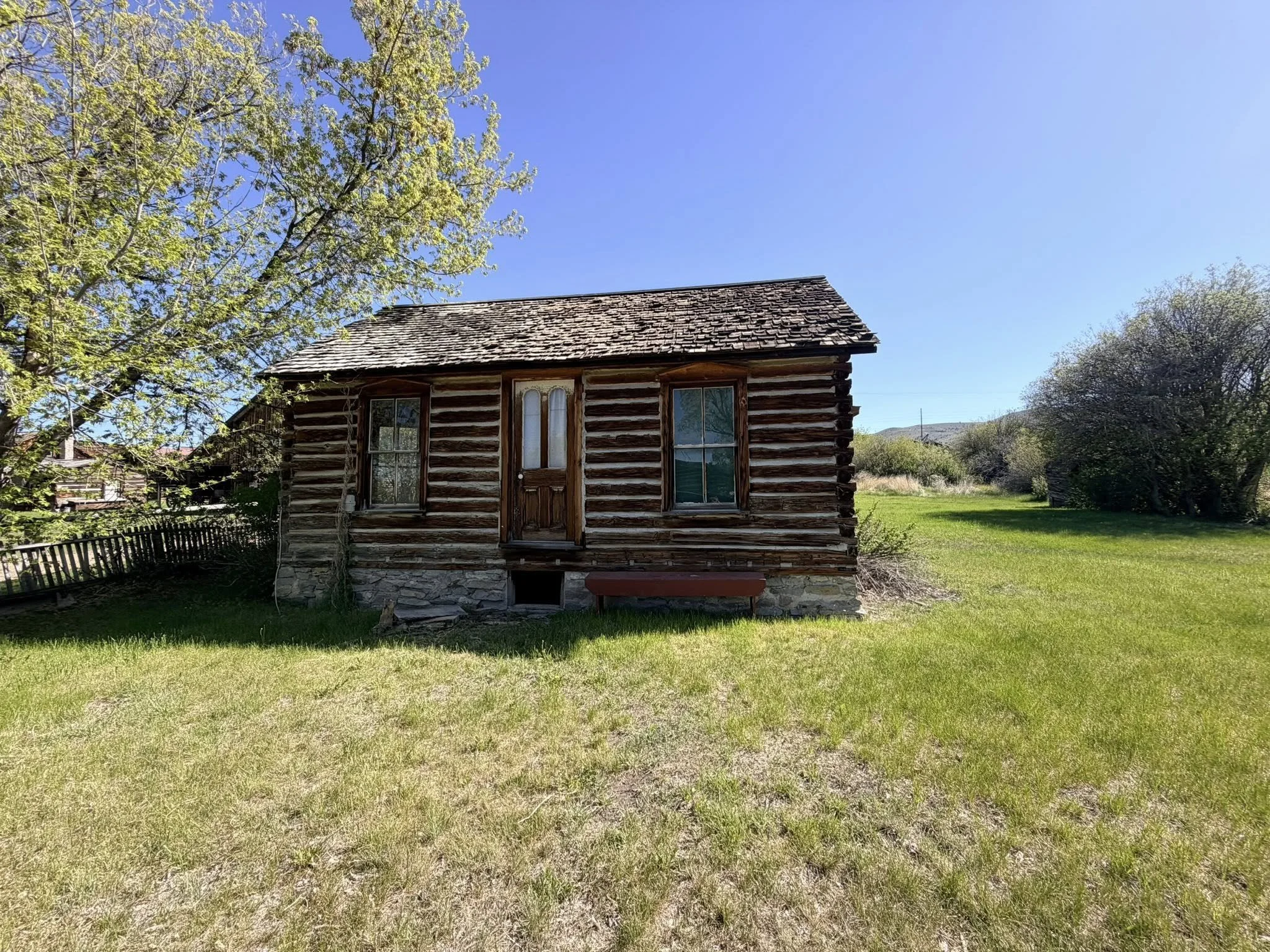
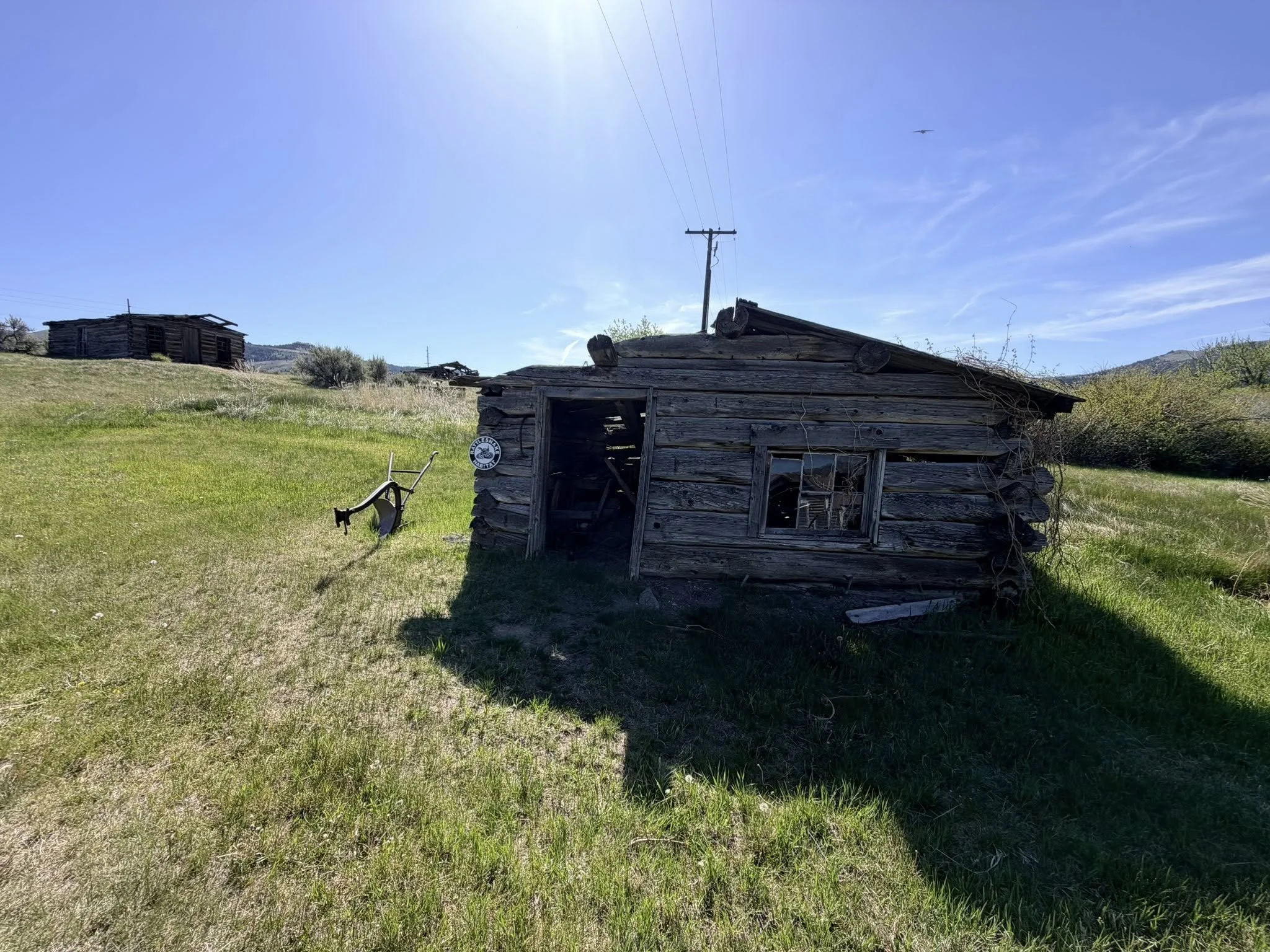
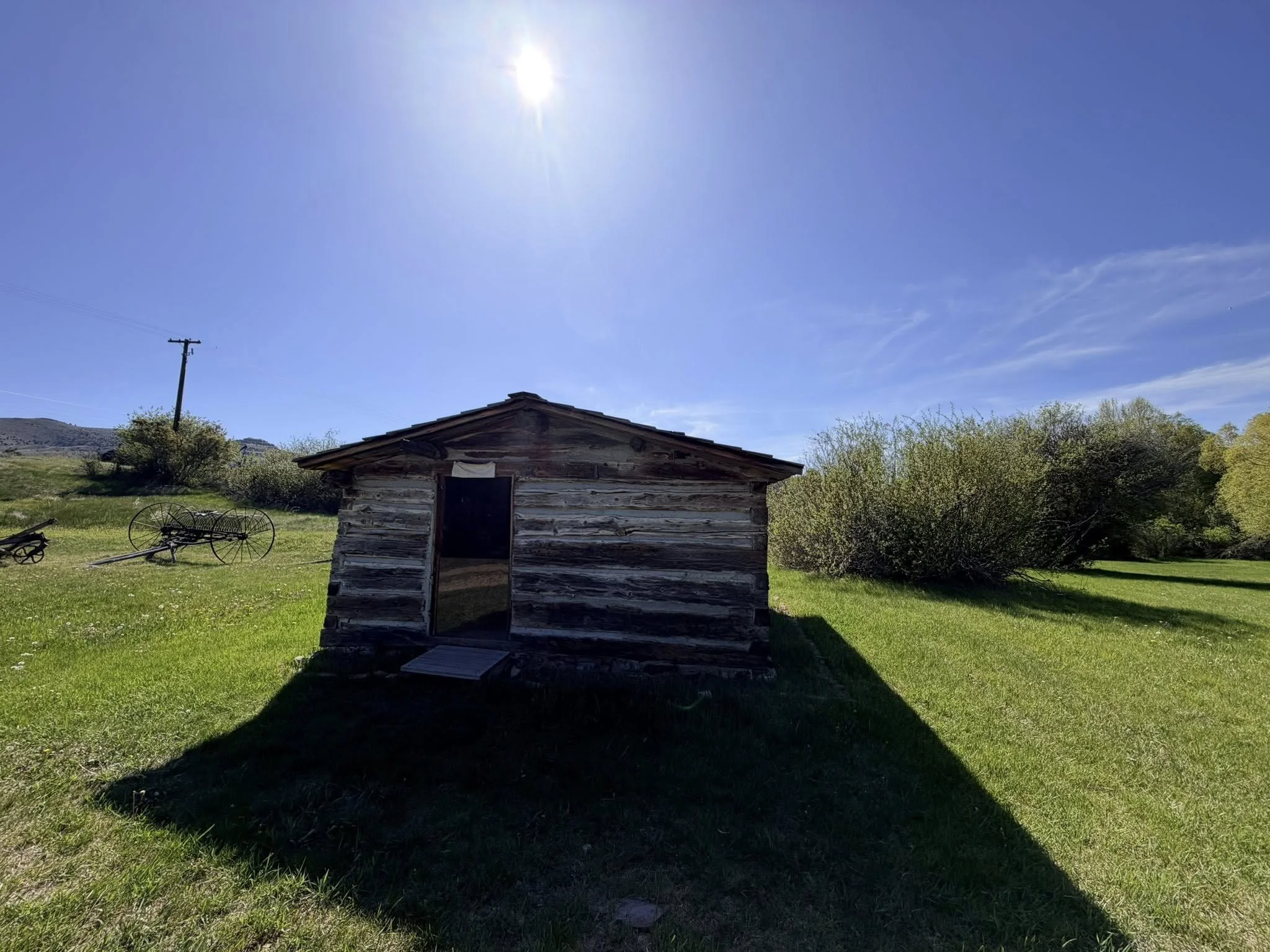
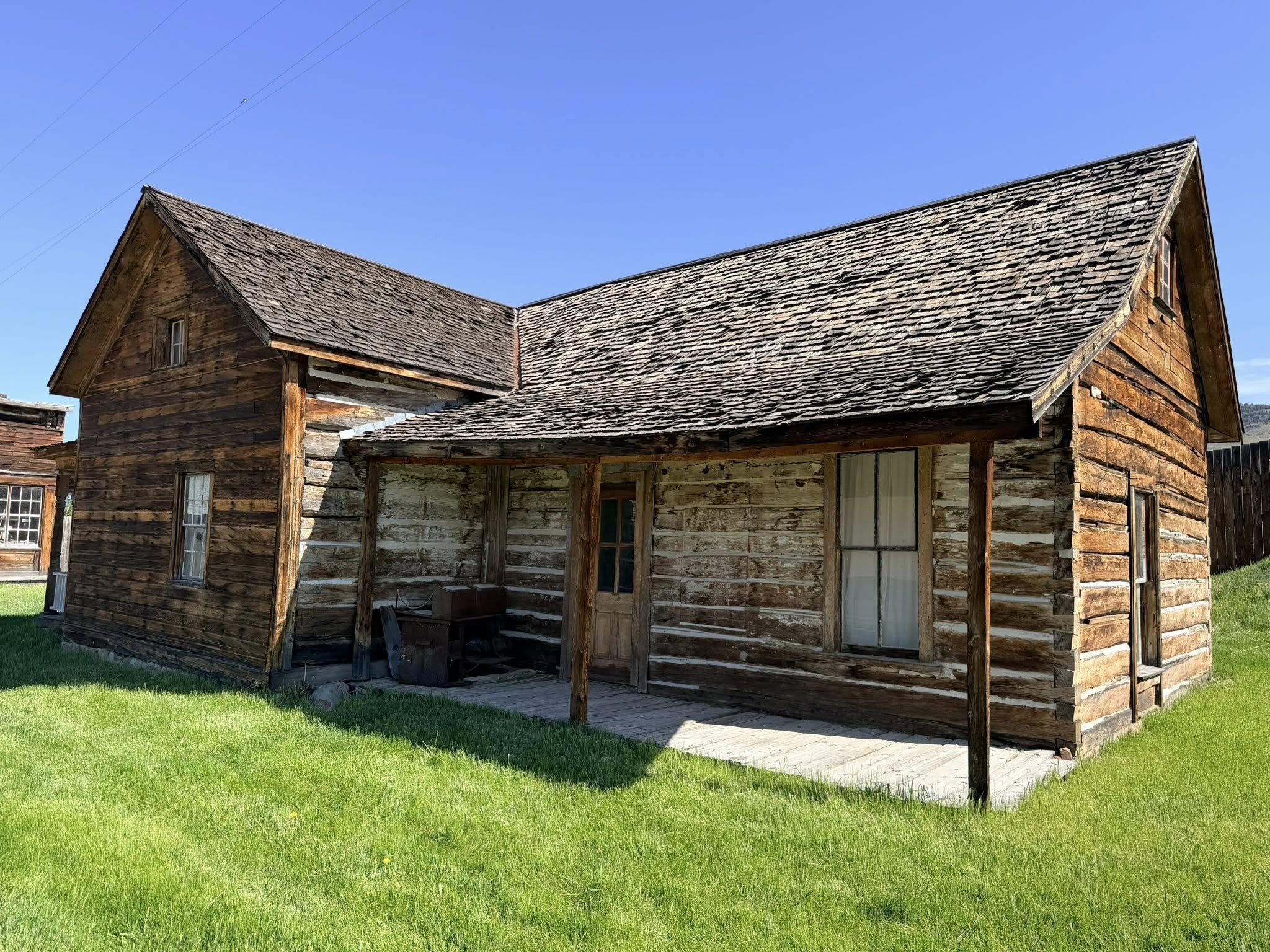
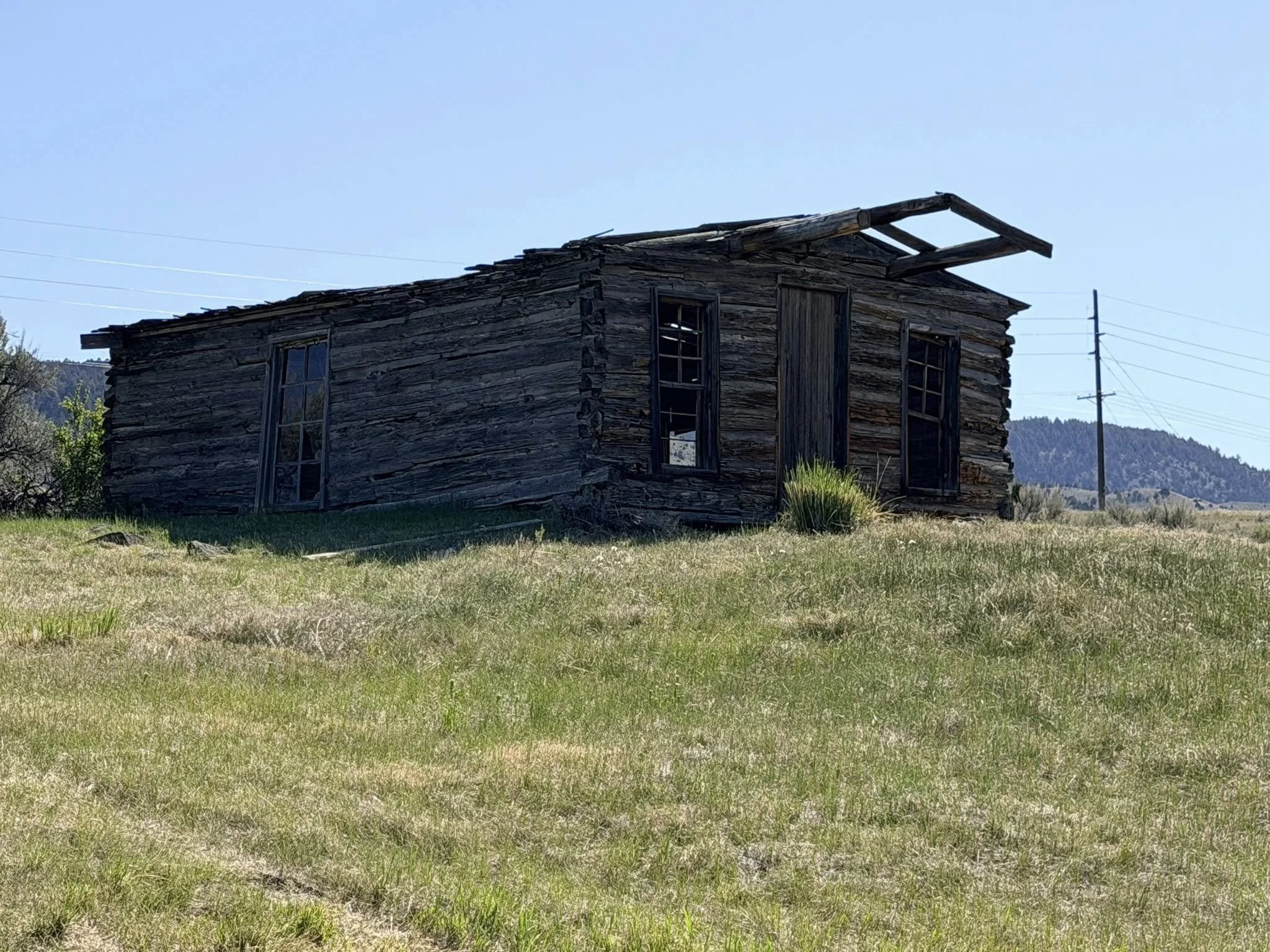
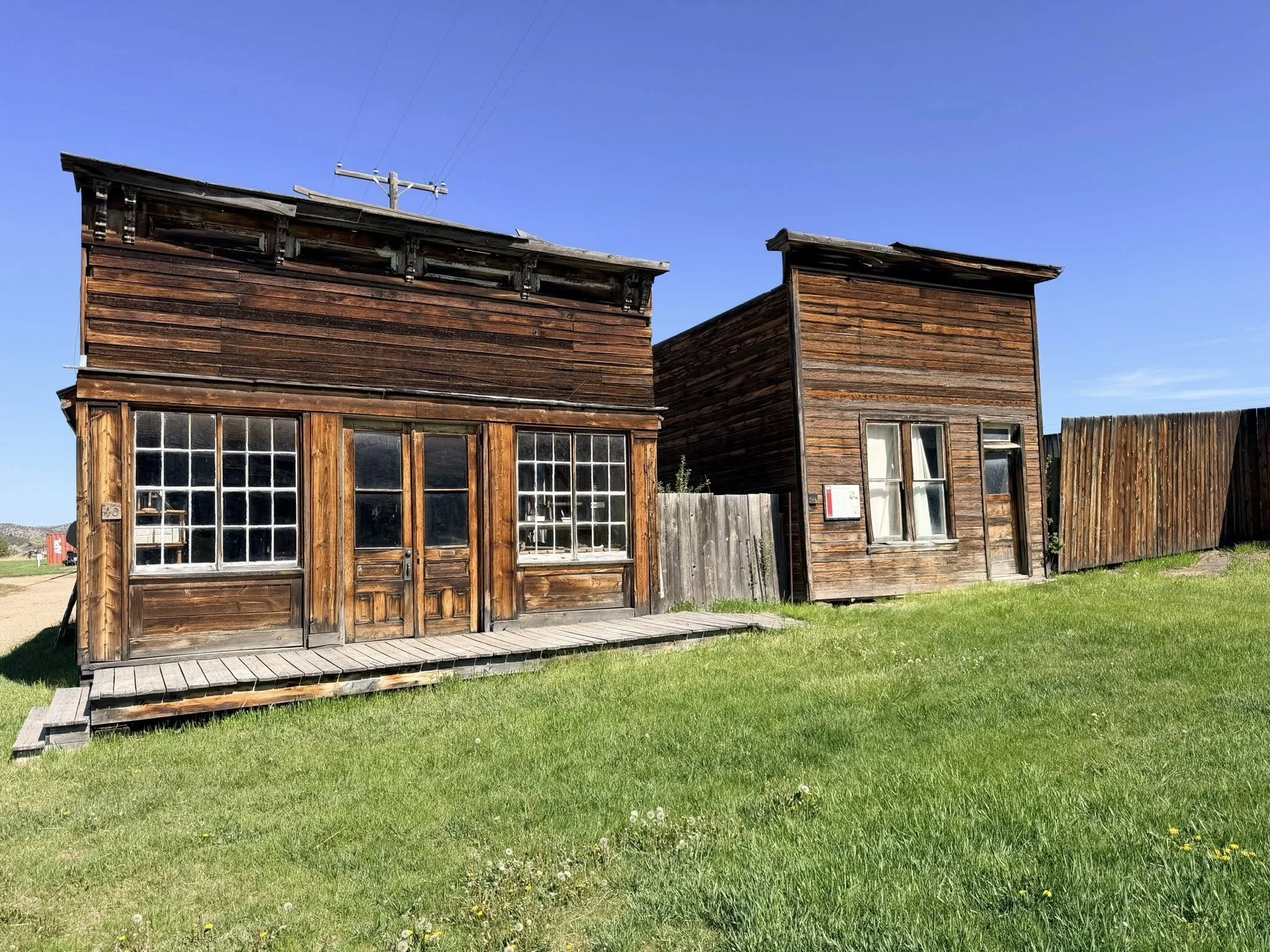
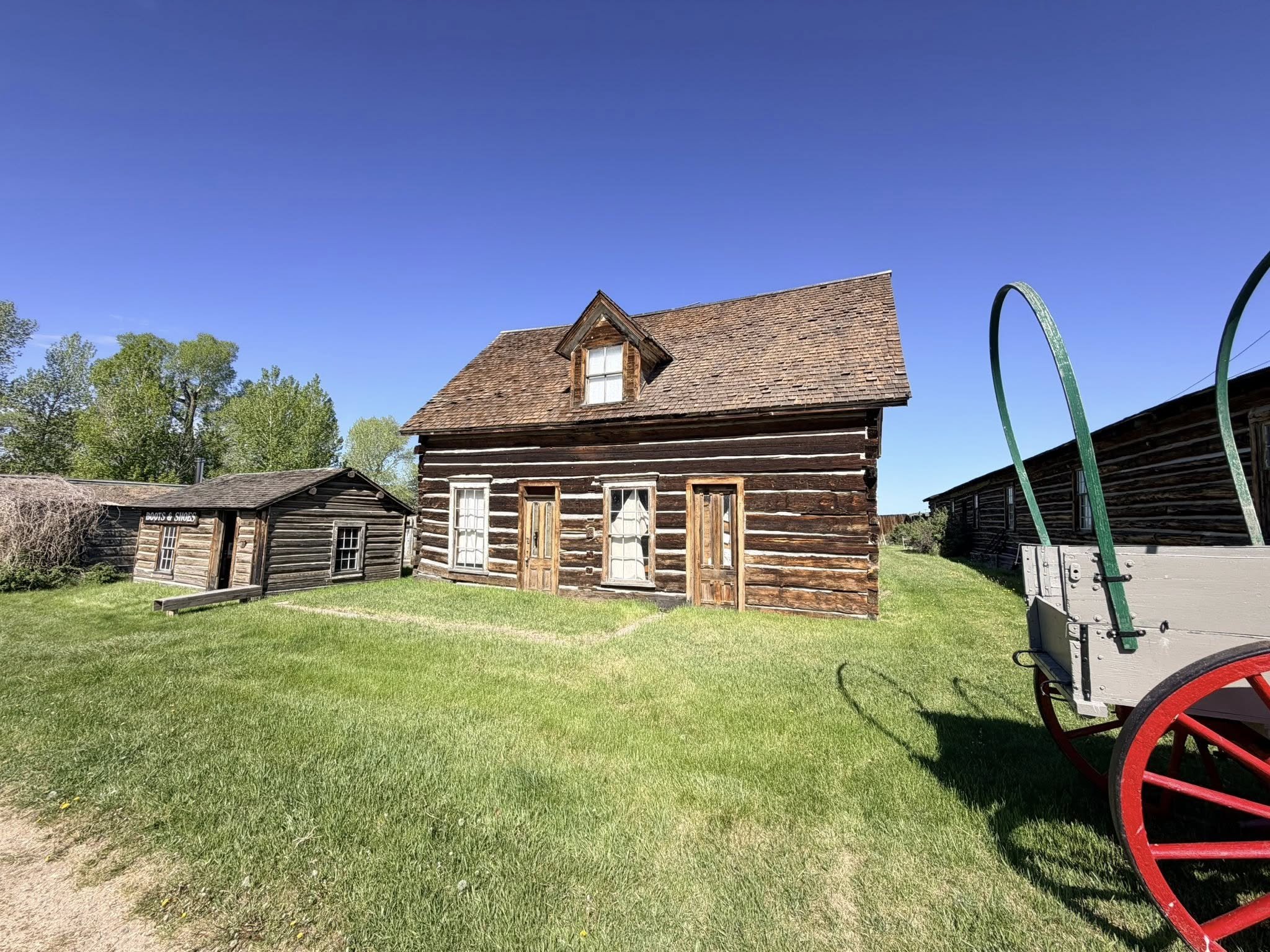
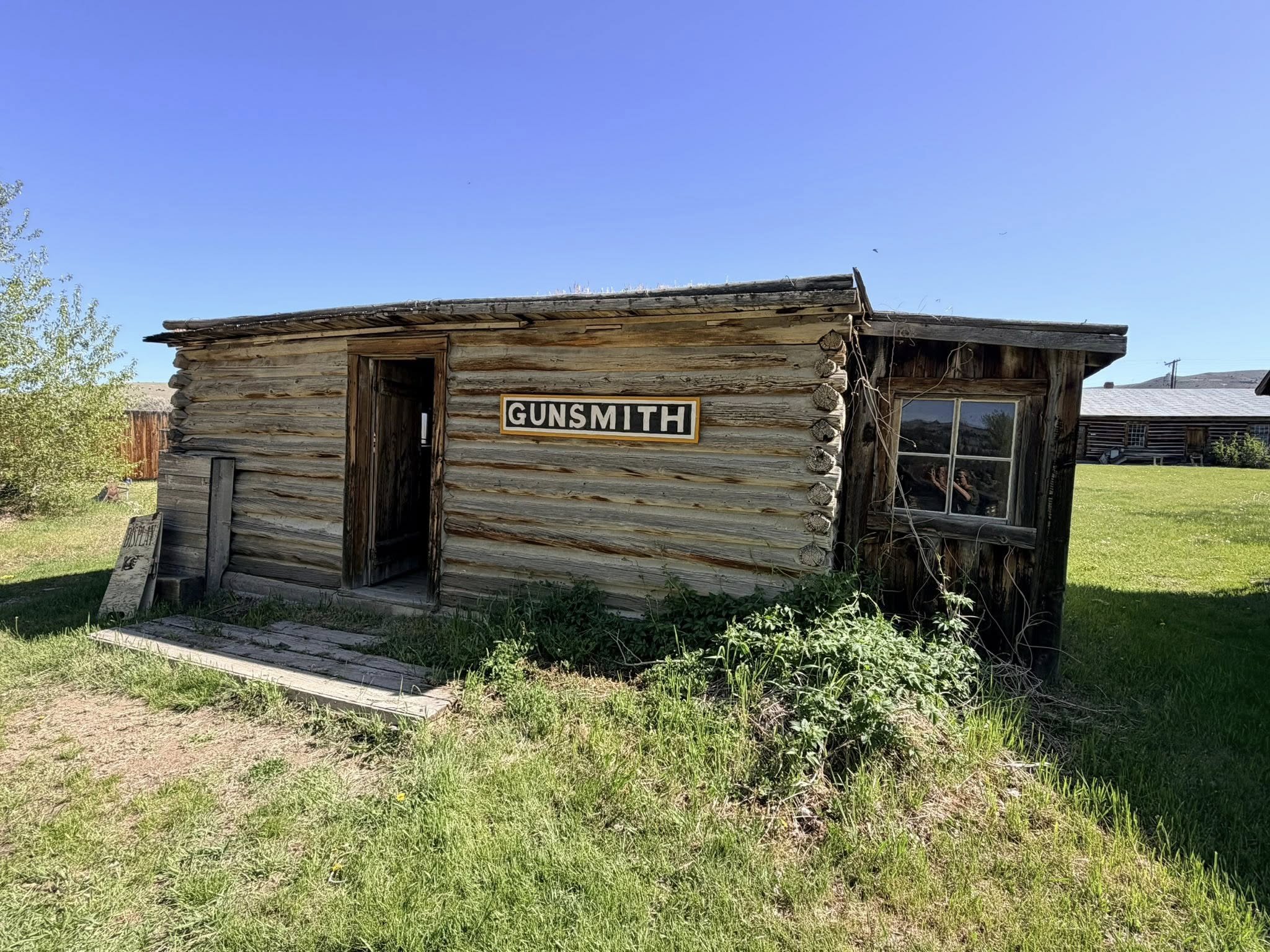
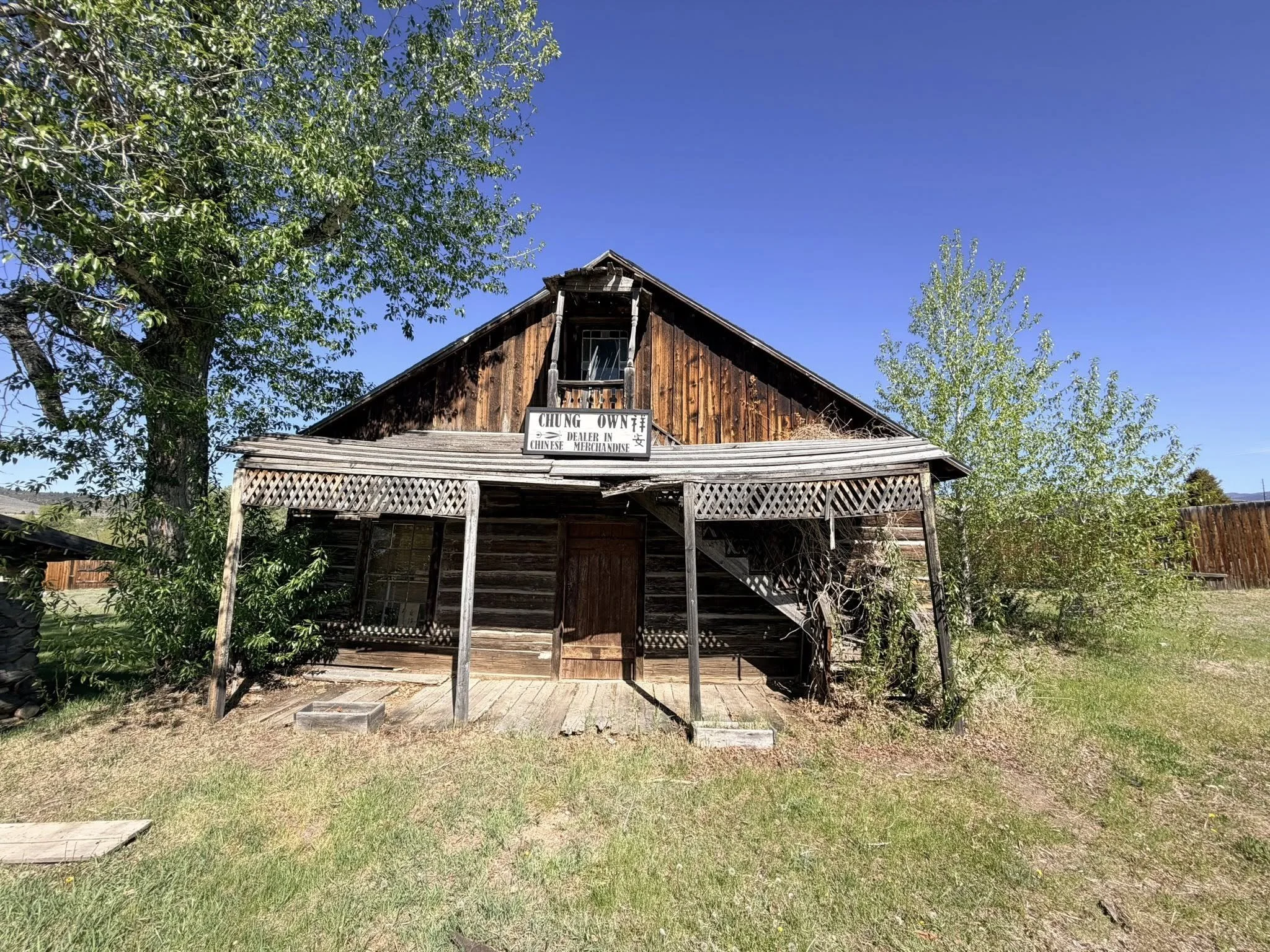
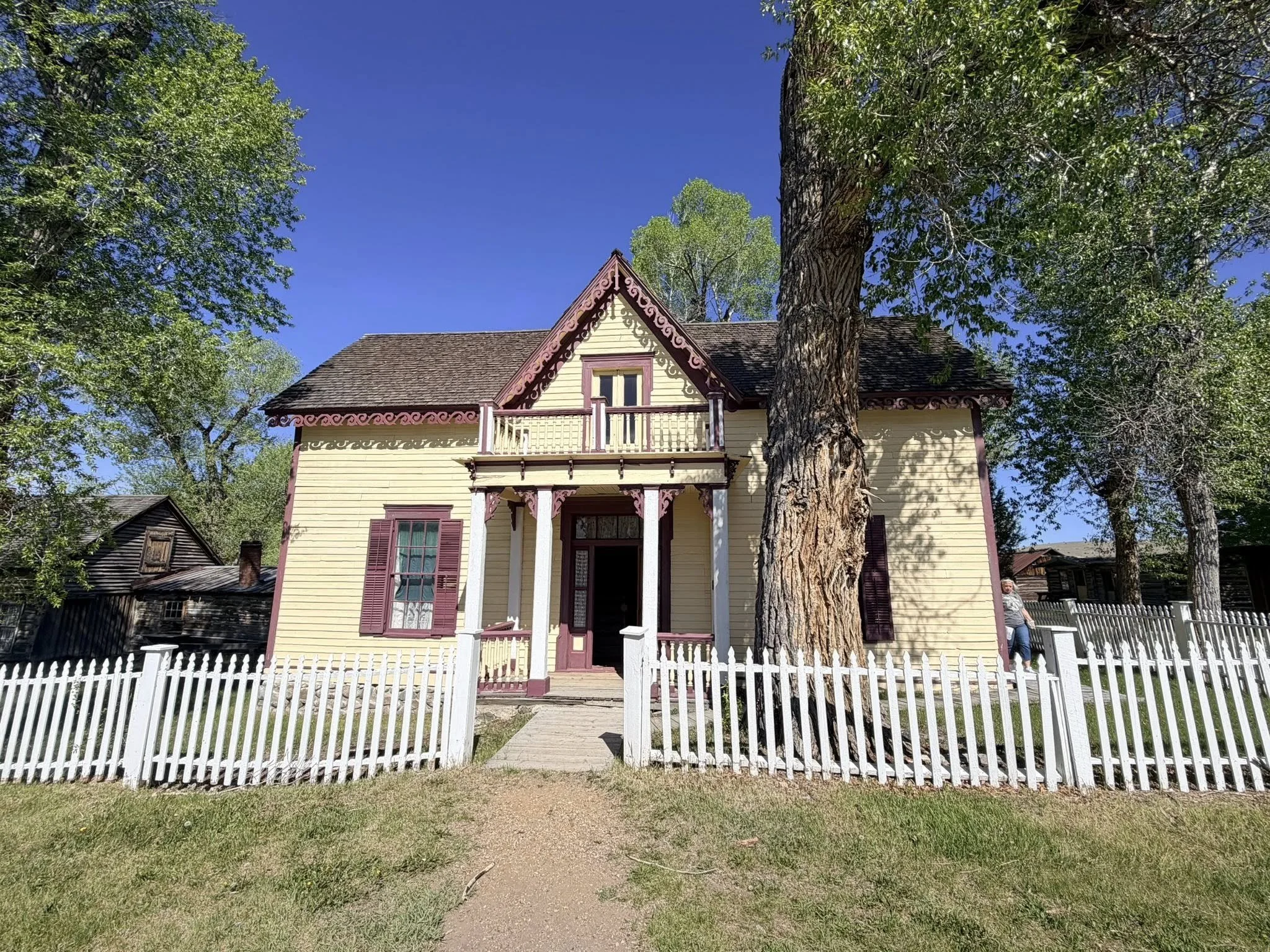
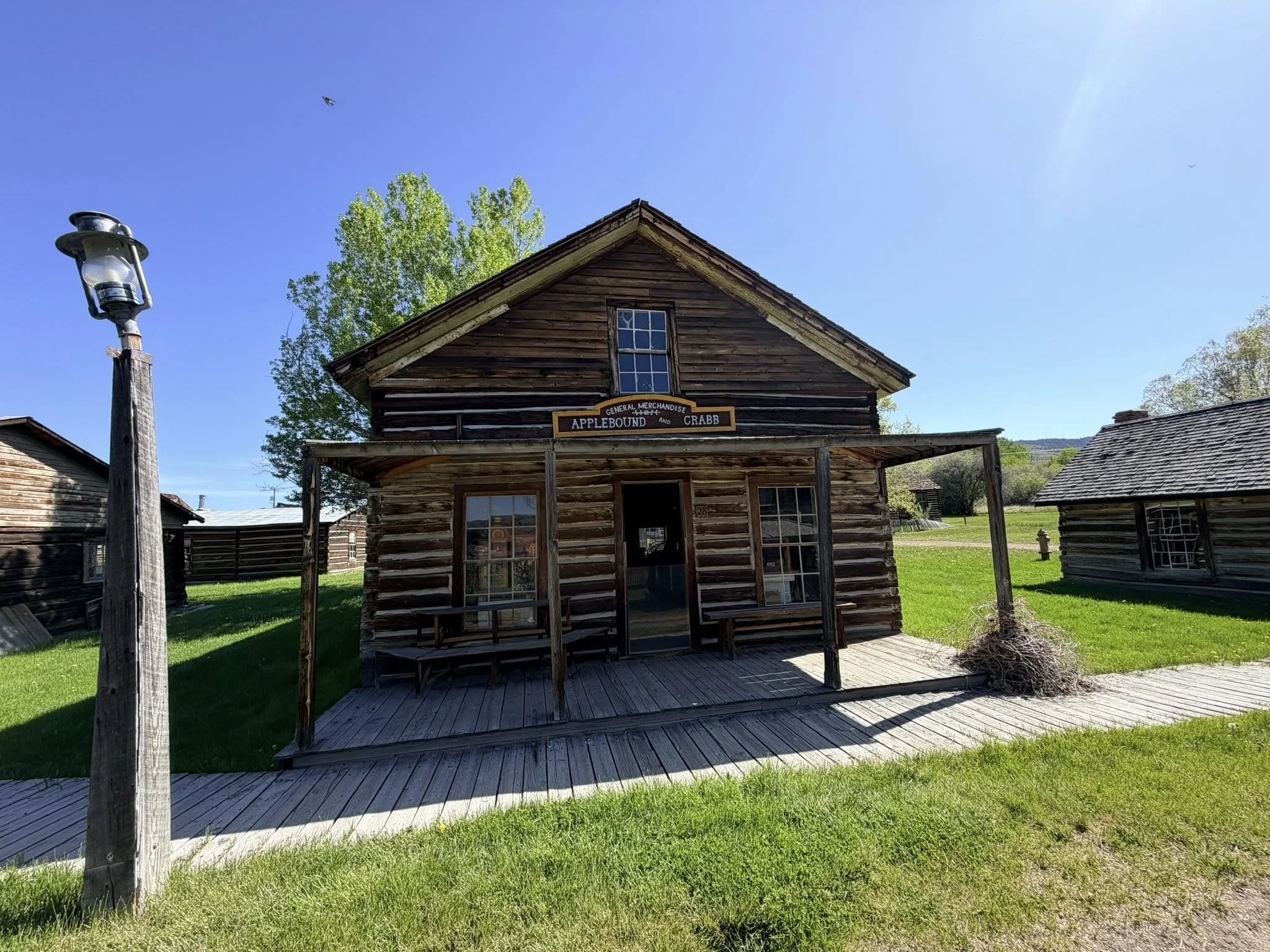
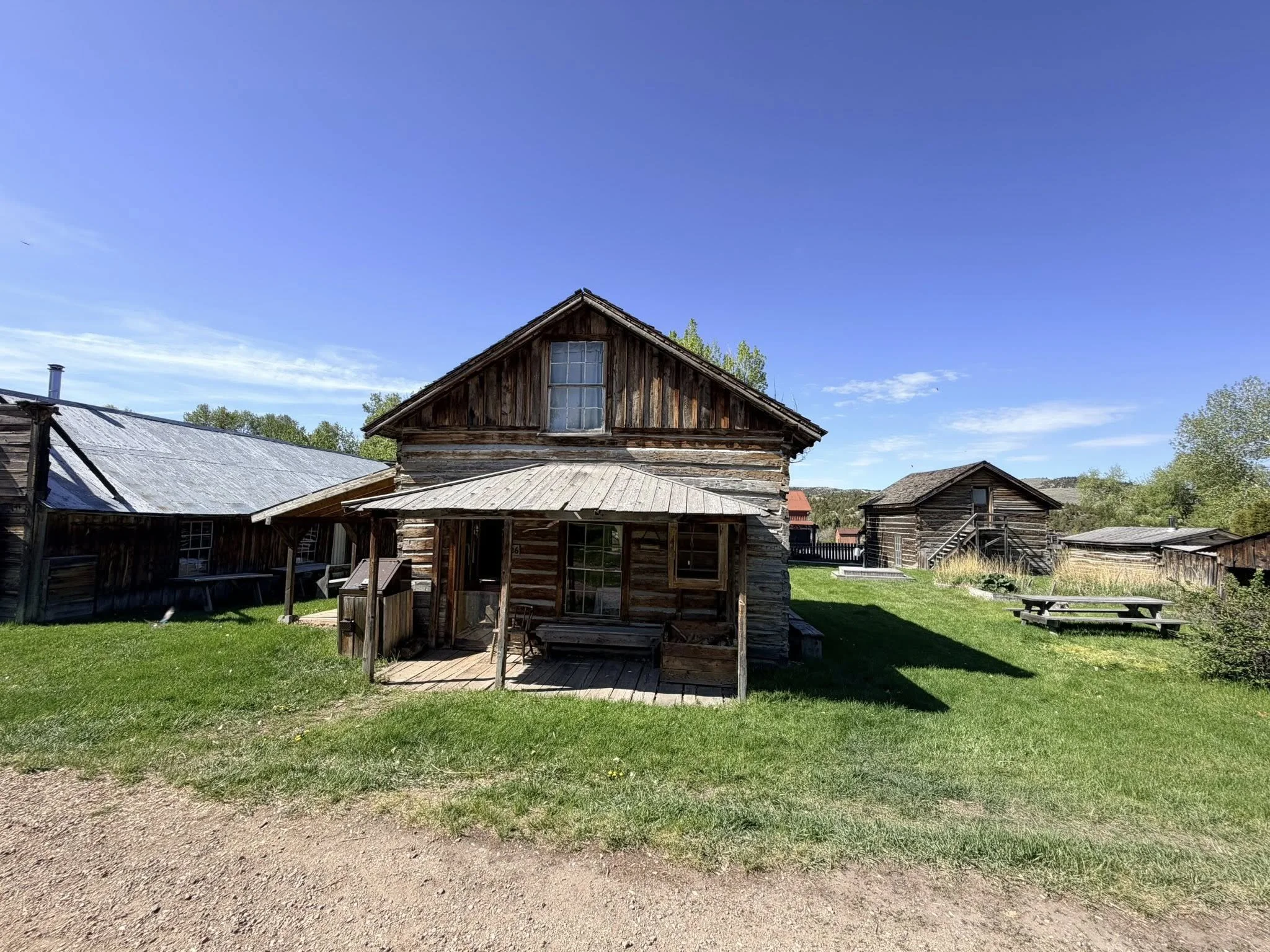
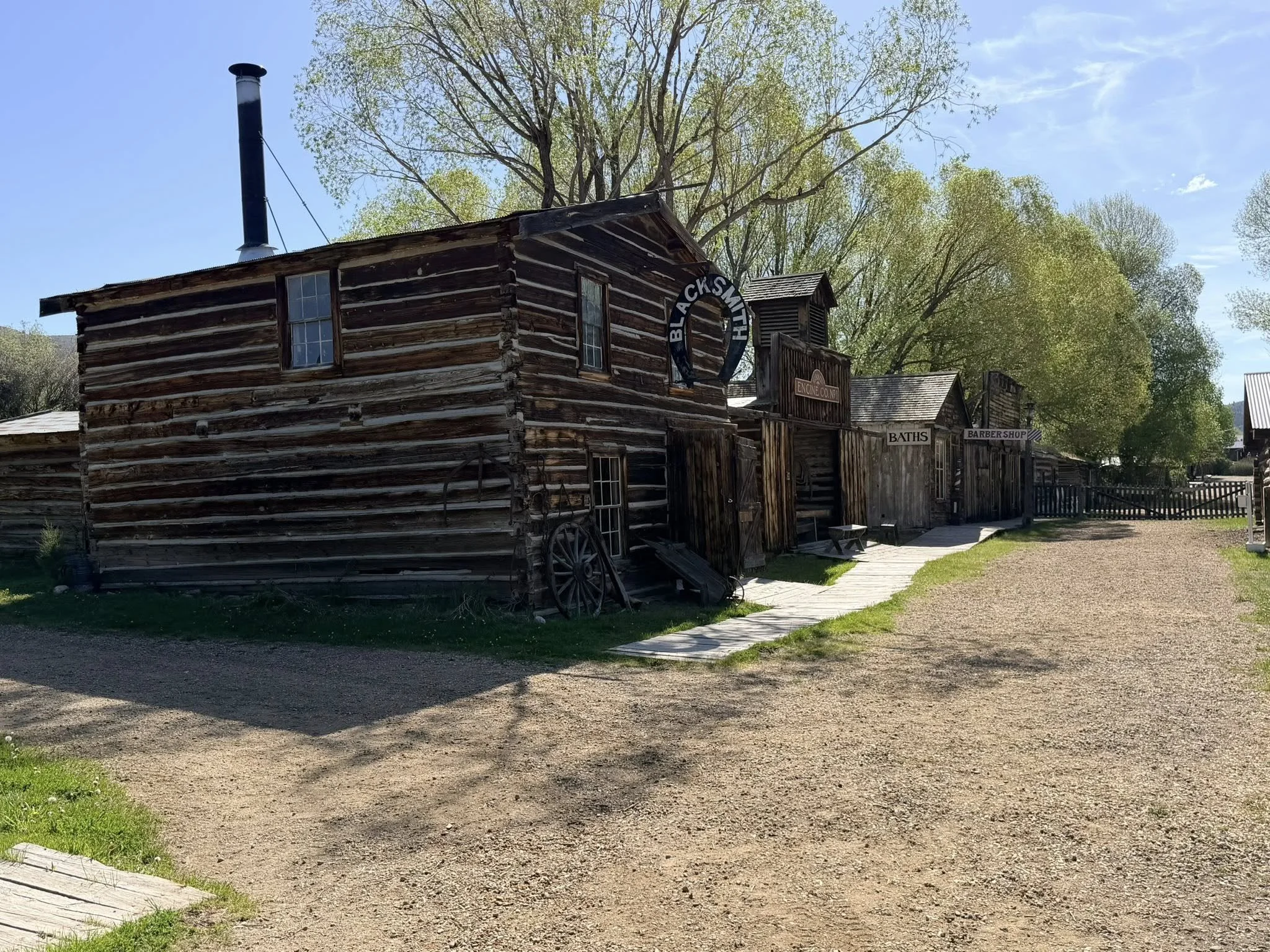
Once Nevada City woke up a little, we went back and wandered through town. Nevada City started as a mining settlement during the Montana Gold Rush in the 1860s. When gold was discovered in Alder Gulch in 1863, thousands of prospectors flooded into the area almost overnight. For a brief time, Nevada City was one of several booming communities competing for miners, merchants, and anyone hoping to strike it rich. Like many mining towns, though, the gold eventually ran out and so did much of the population.
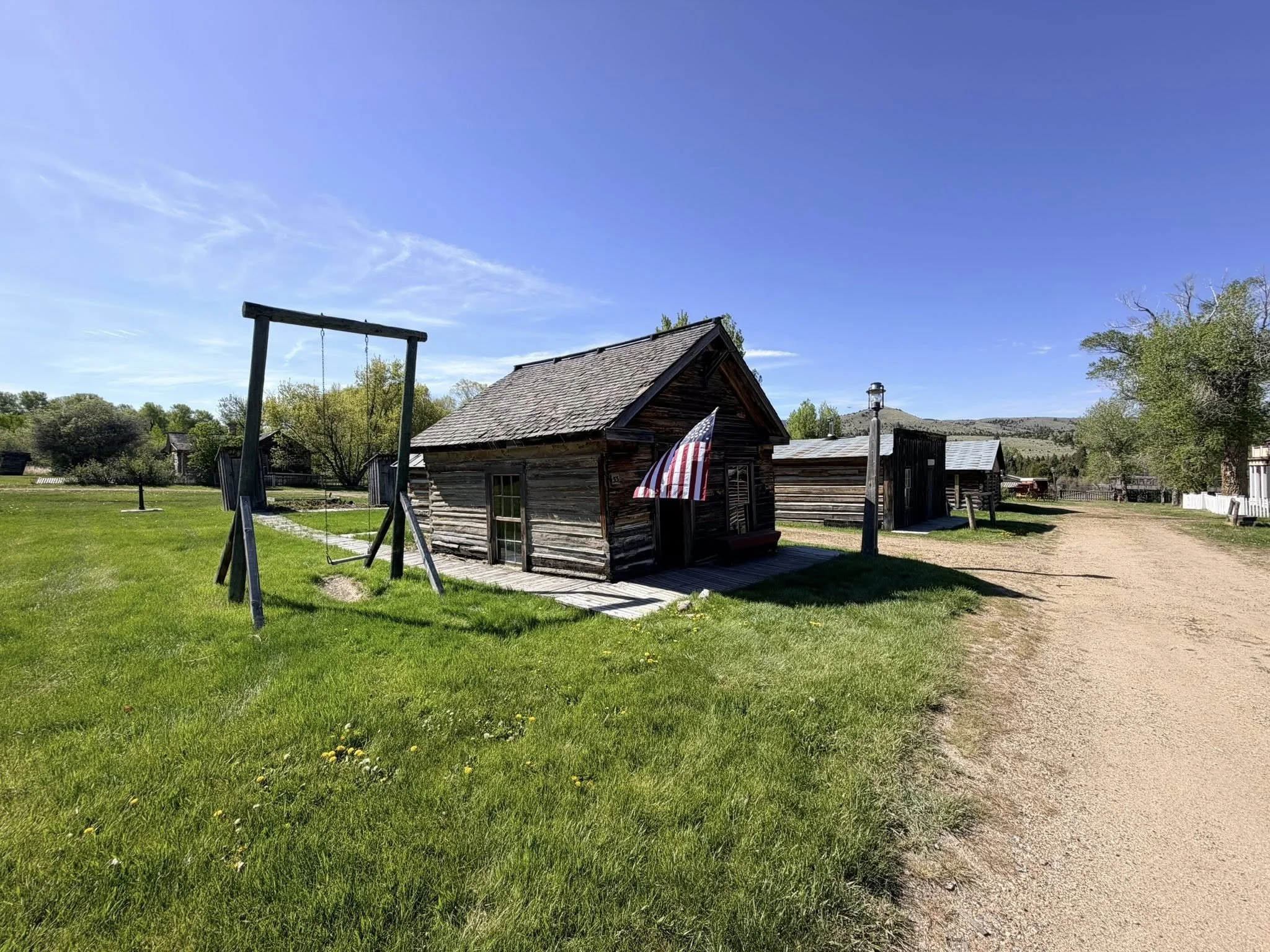
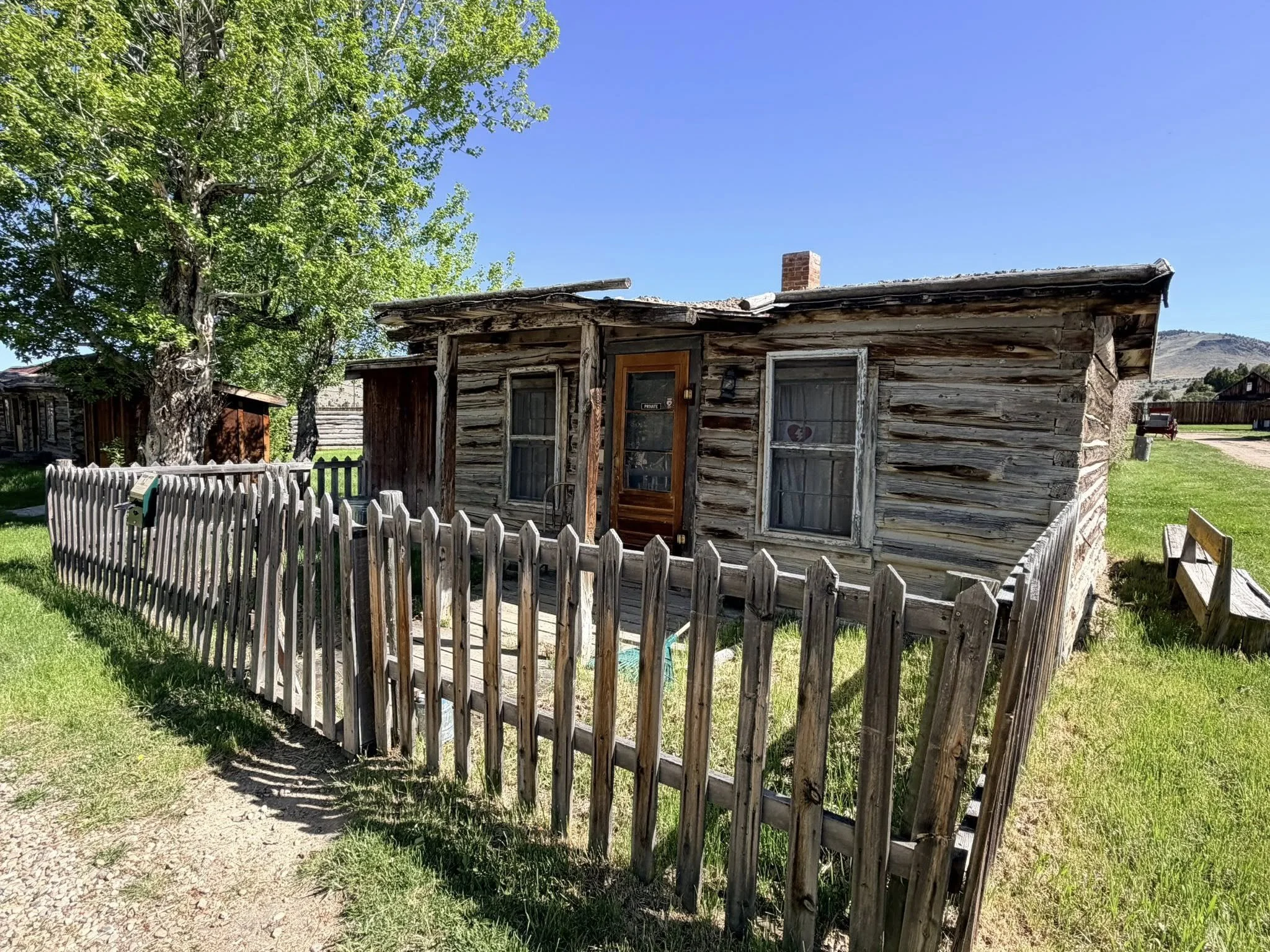
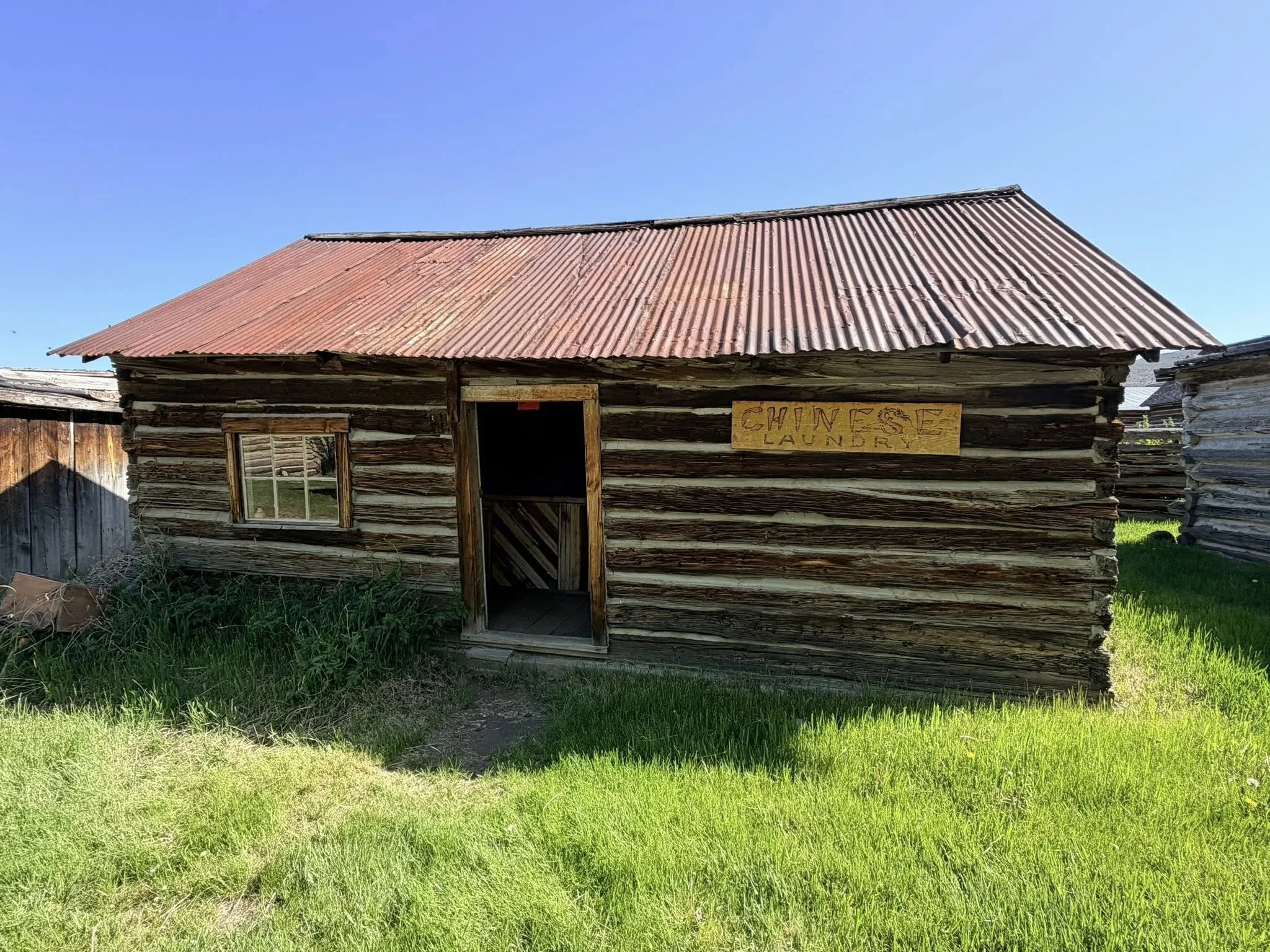
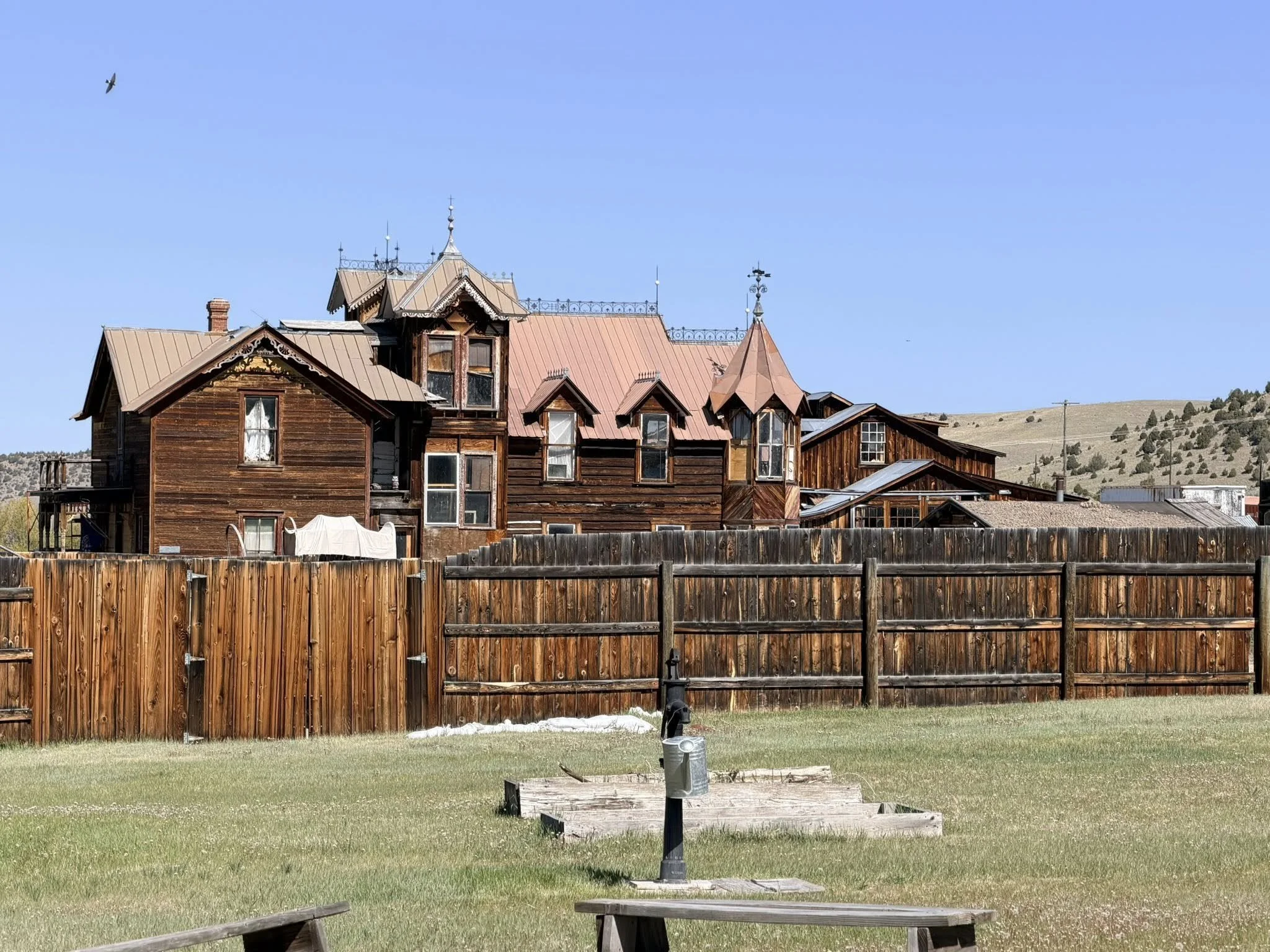
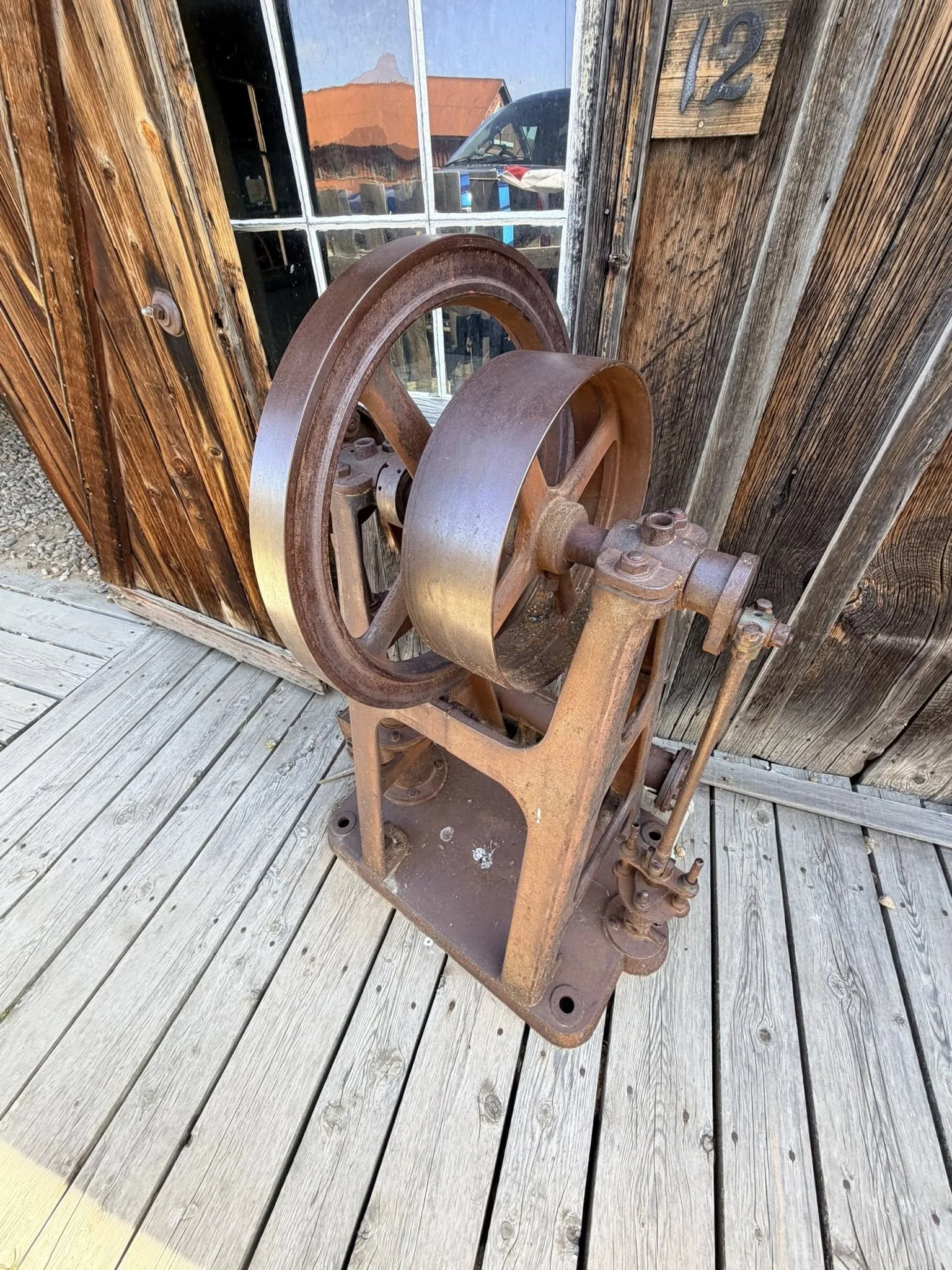
Unlike most ghost towns that slowly collapsed back into the earth, Nevada City got a second life. Beginning in the 1940s, Charles and Sue Bovey started rescuing historic buildings from around Montana and relocating them there before they were lost forever. Today, more than 100 structures make up the town, preserving everything from saloons and homesteads to blacksmith shops and schools. Walking through Nevada City feels less like visiting a museum and more like stepping into a time machine. It honestly feels like someone gathered up pieces of Montana's past and said, "Not today, history. You're staying."
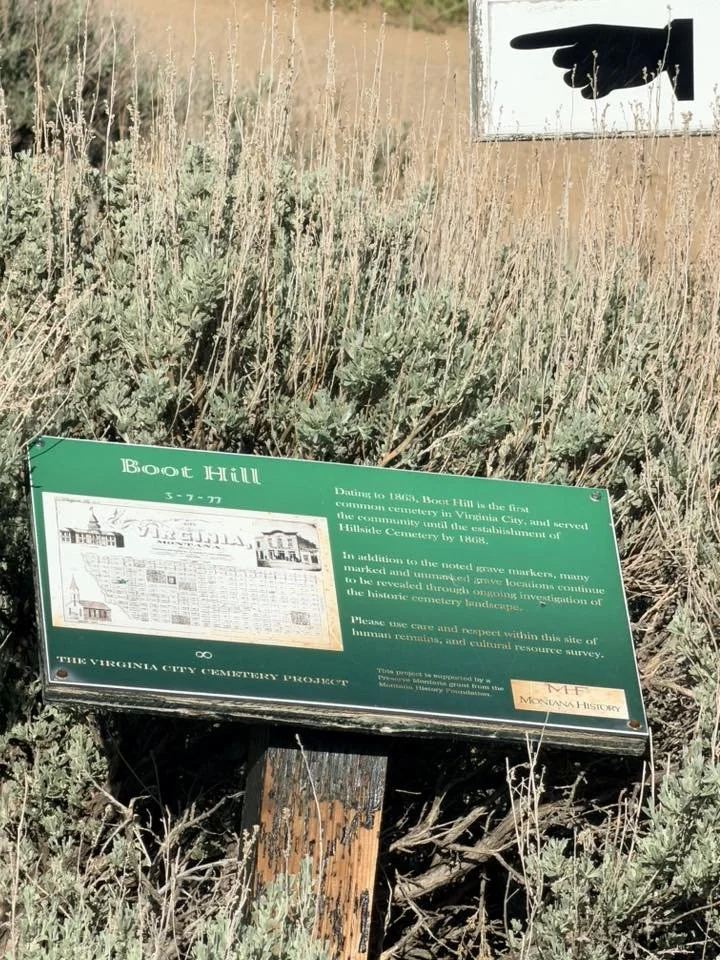
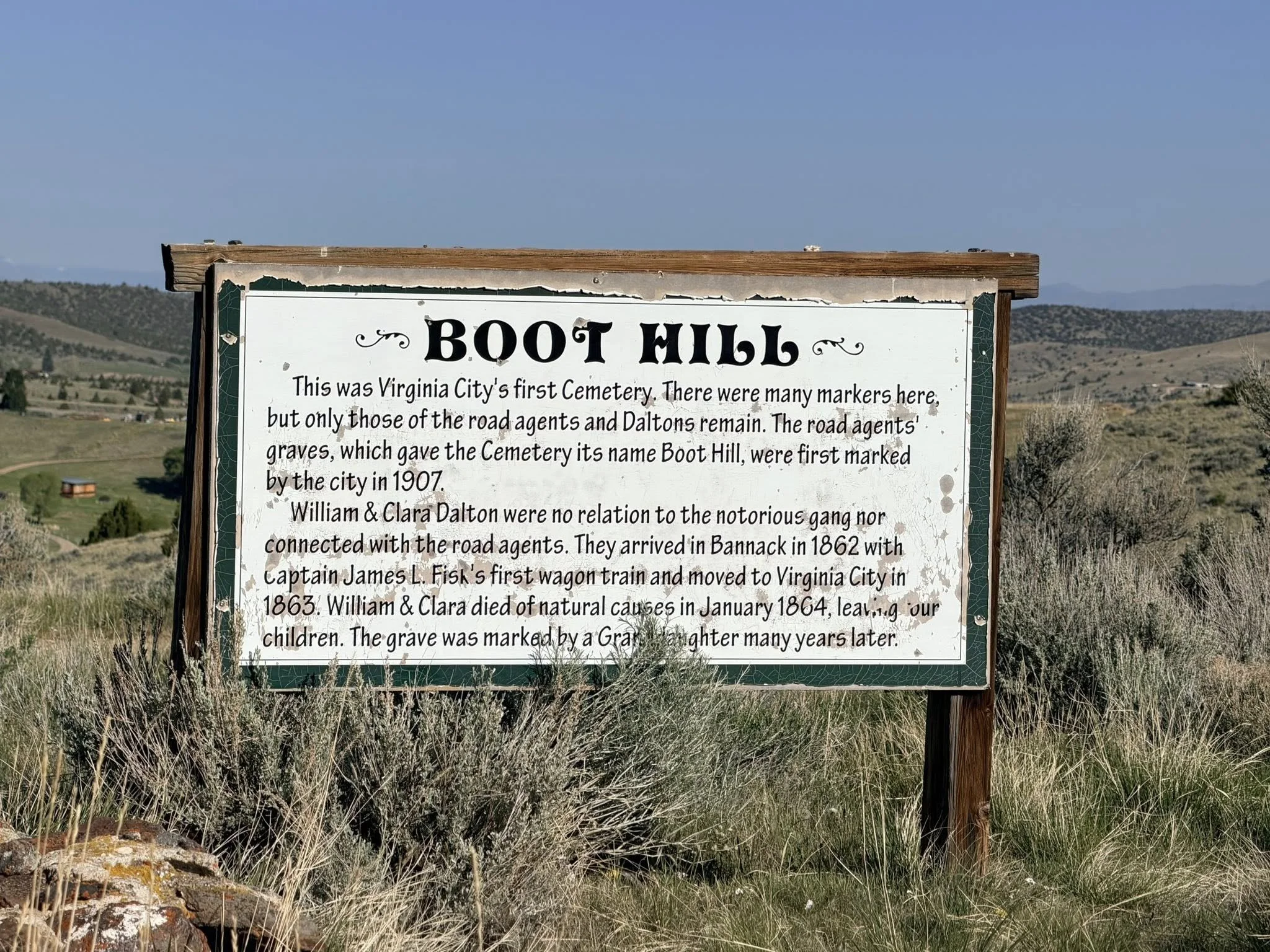
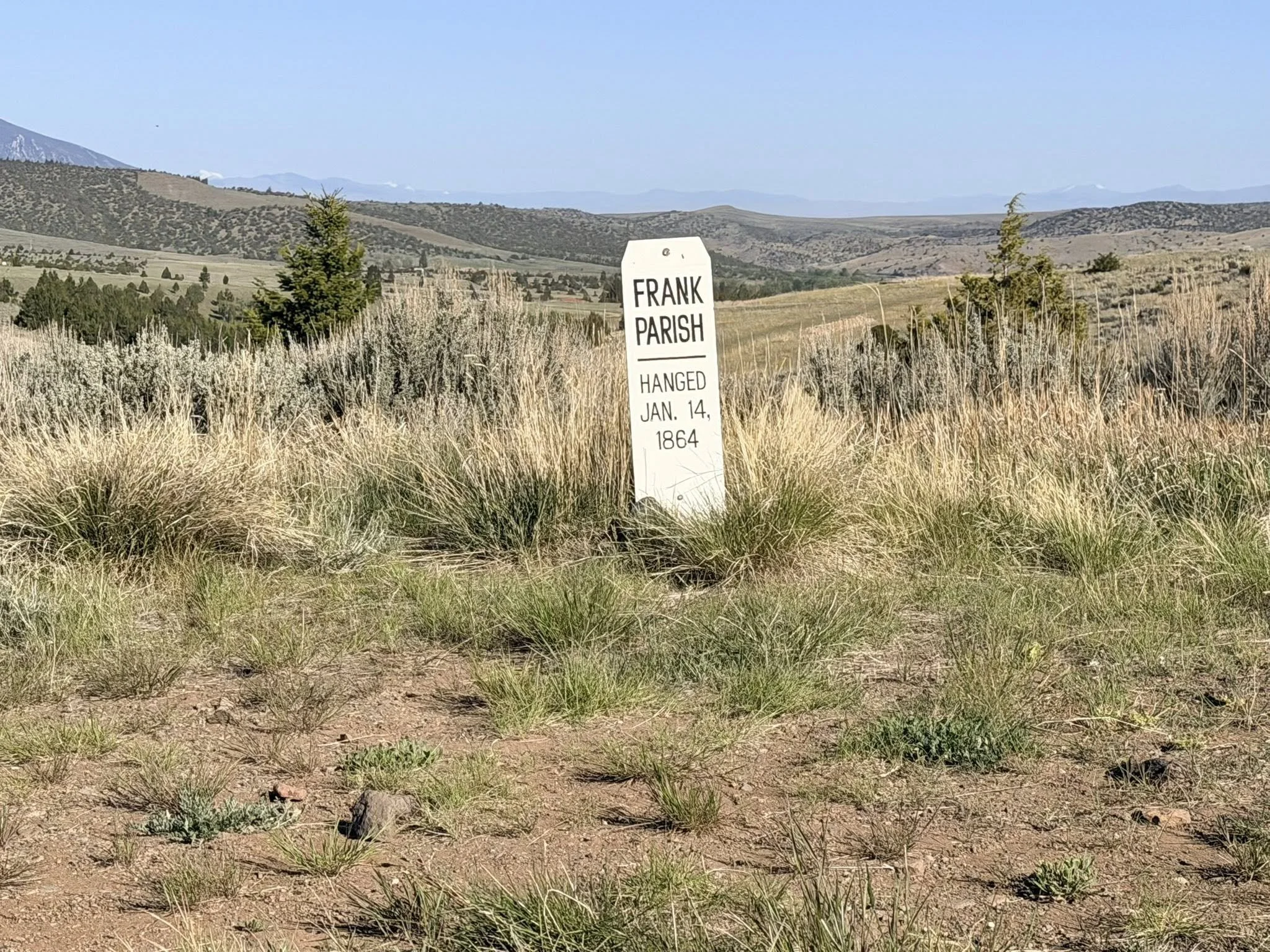
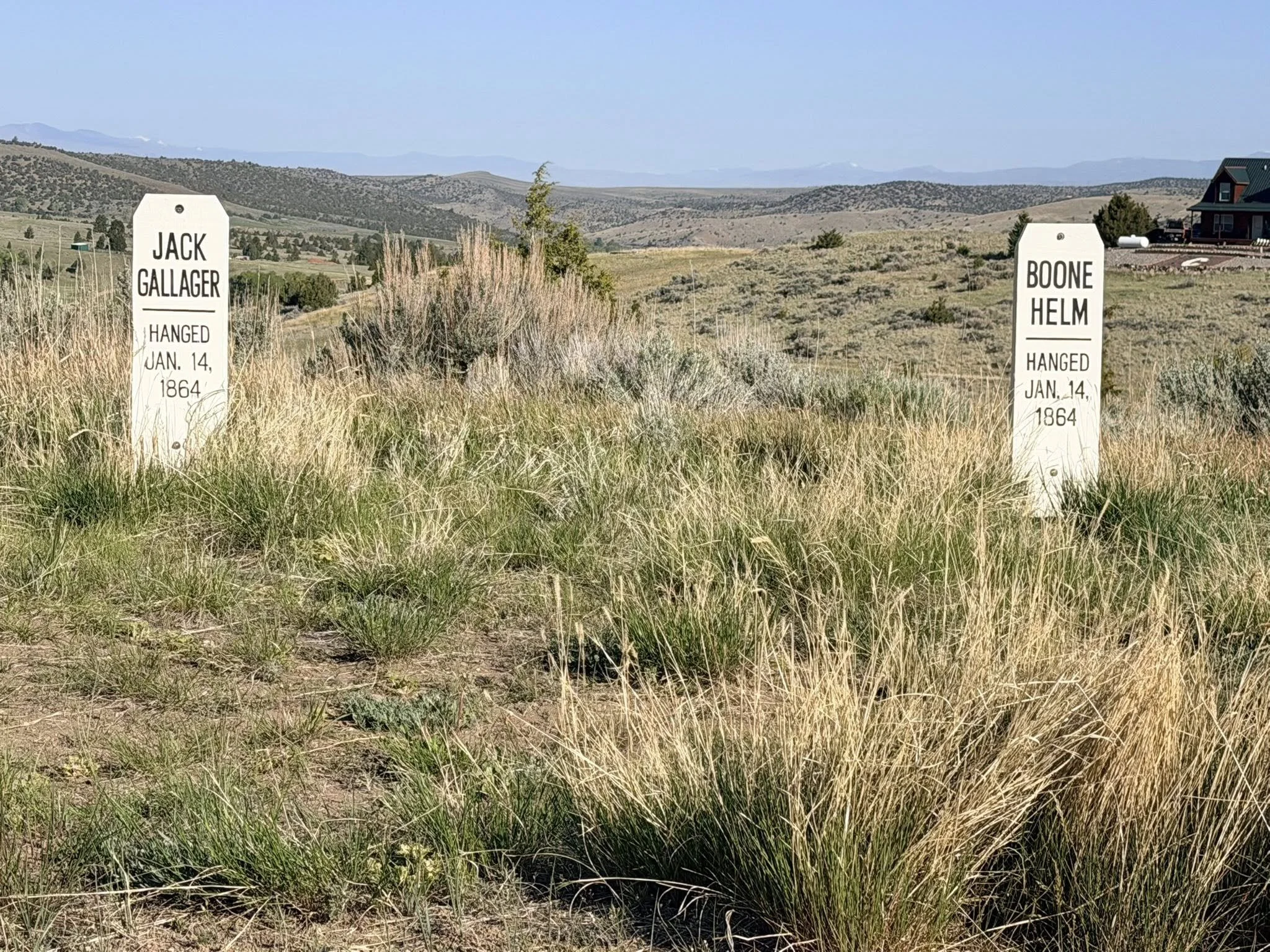
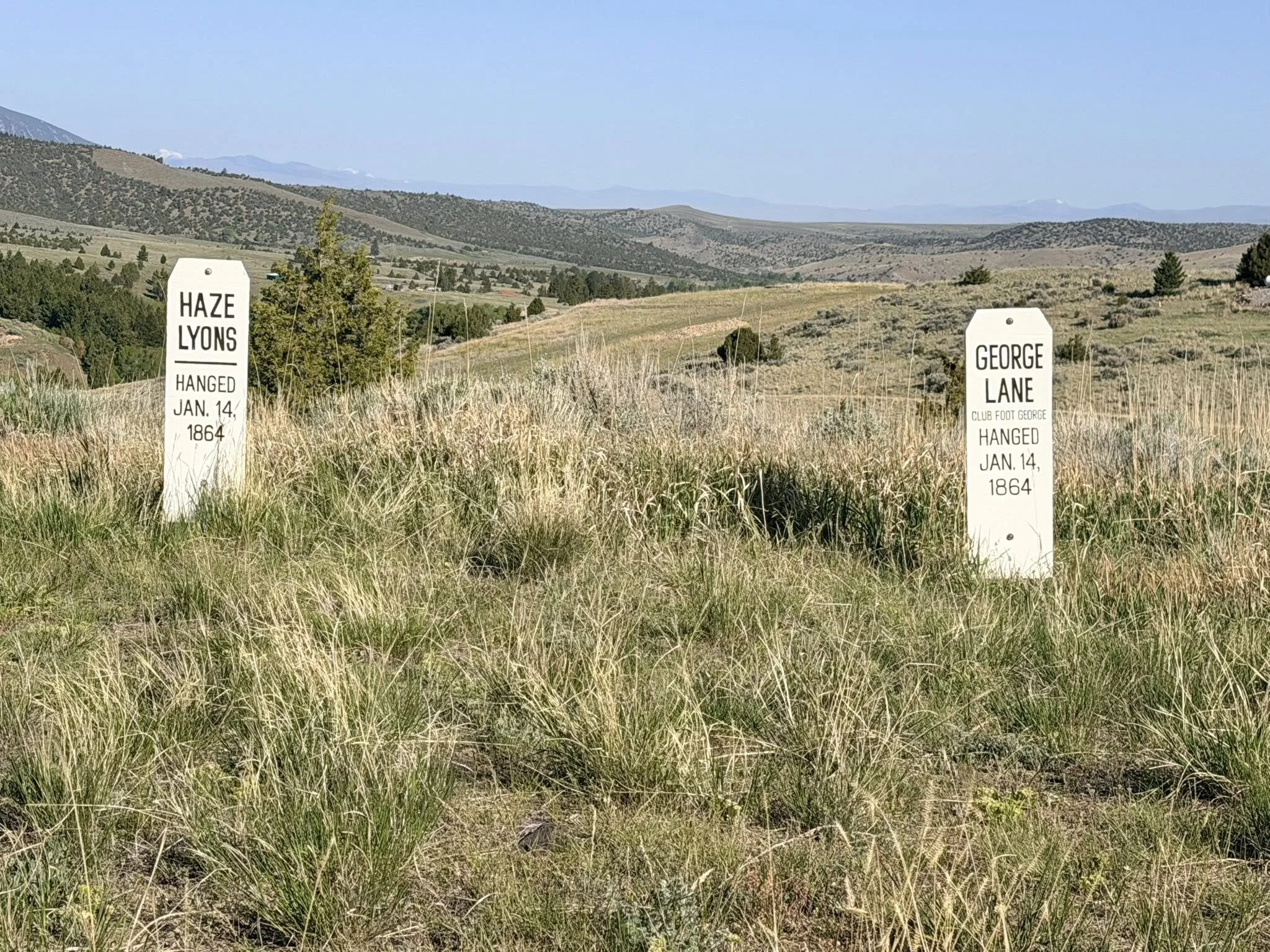
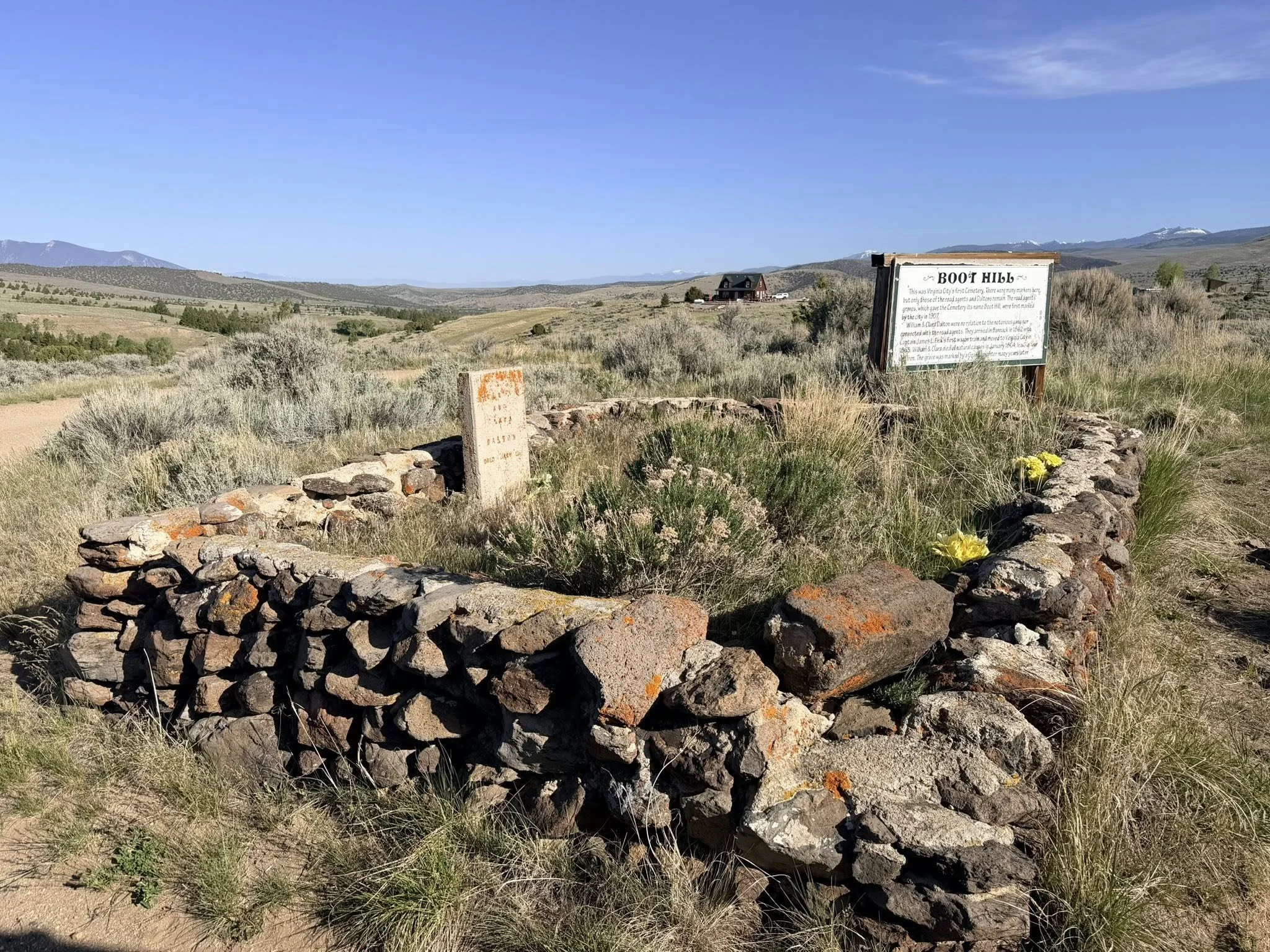
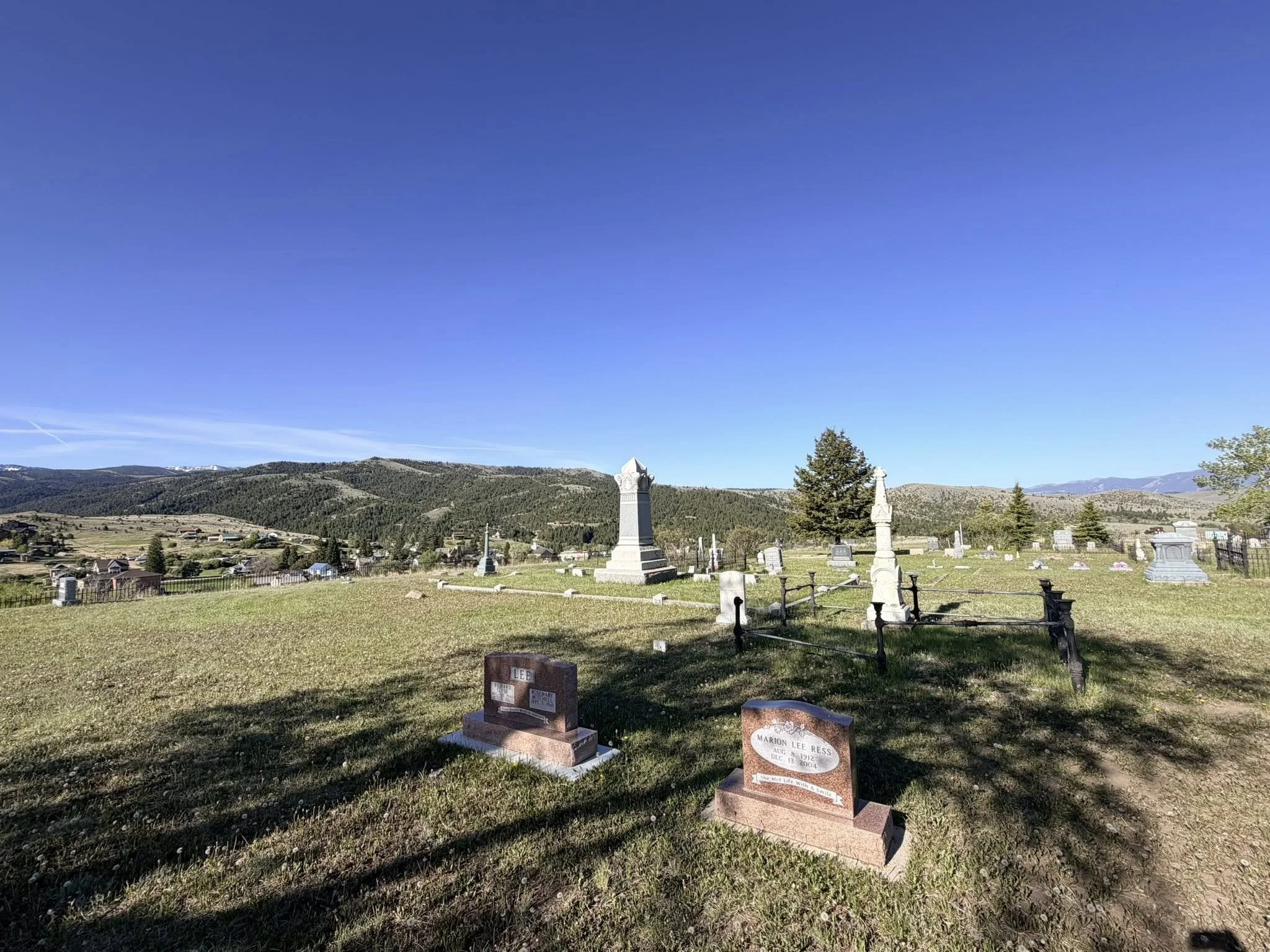
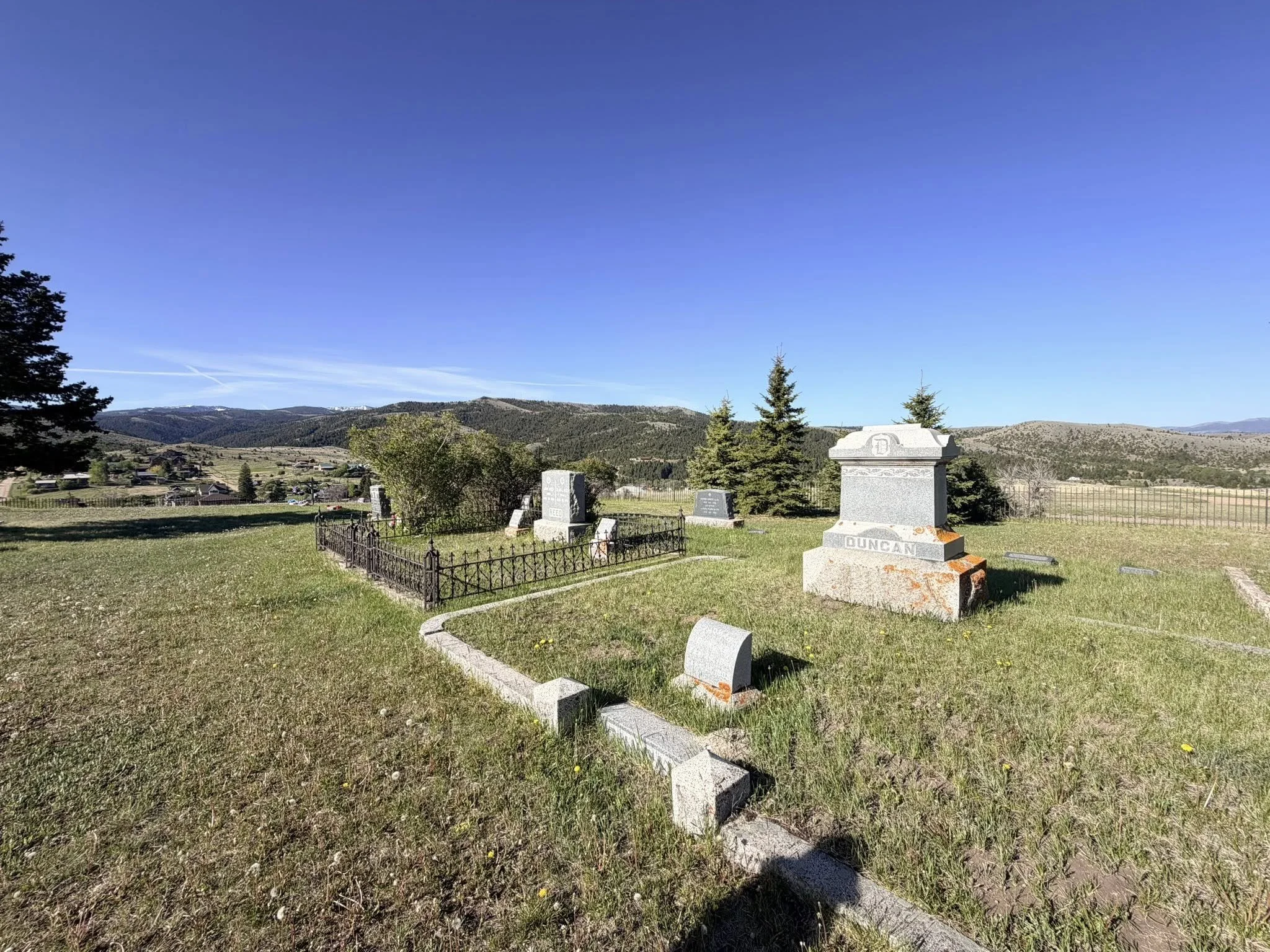
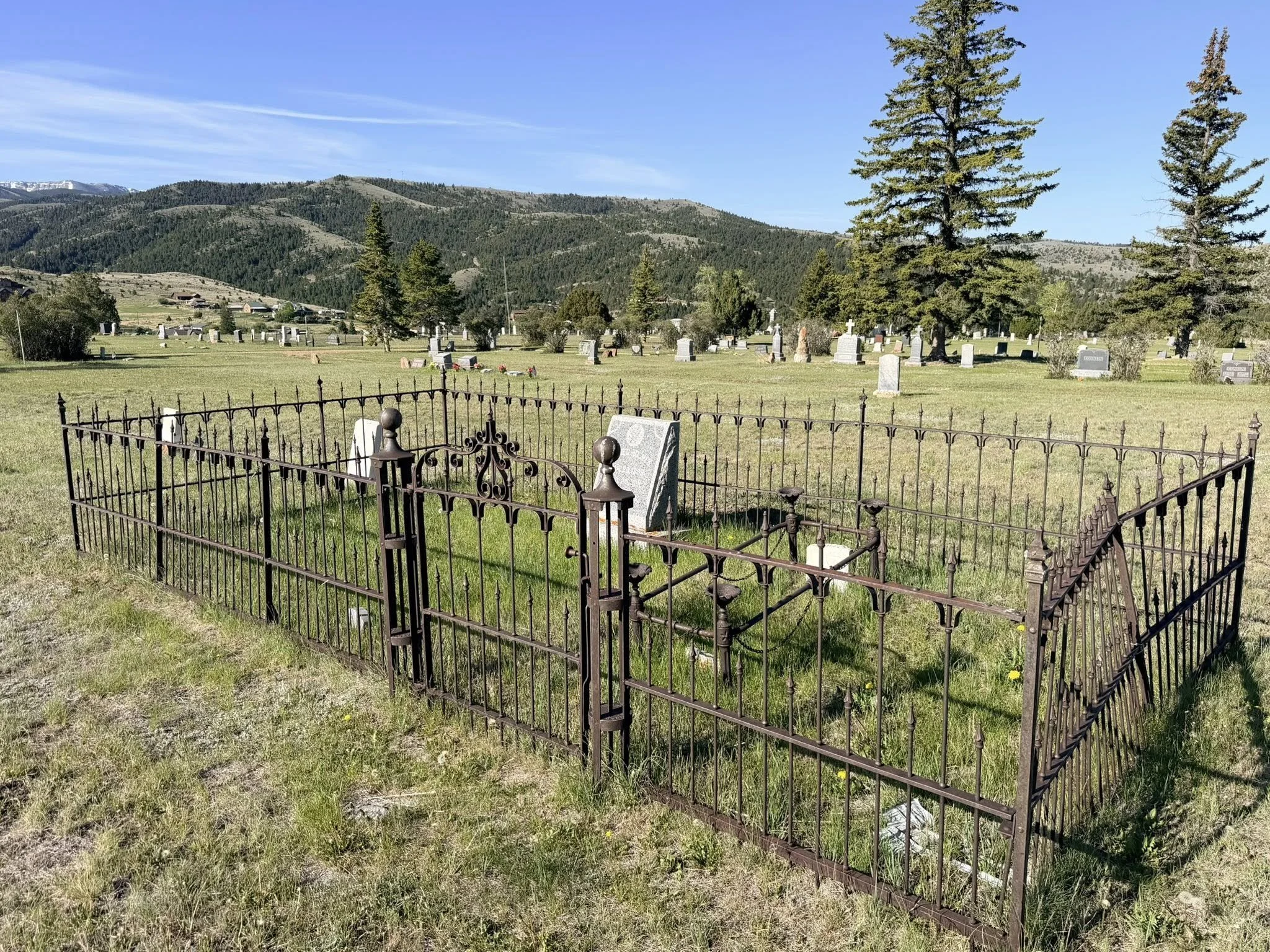
Second stop was Boothill Cemetery and Virginia City Cemetery. Boothill Cemetery is fascinating because while more people are buried there, only six graves actually have markers. Five belong to the men executed by the Vigilantes in 1864 during Montana's wildly chaotic gold rush days. At the height of the boom, Virginia City was one of the largest settlements in the Northwest. Gold brought fortune seekers from all over the world, but it also attracted road agents, thieves, and murderers. With almost no formal law enforcement, the Montana Vigilantes formed and carried out a series of hangings that are still debated today. Depending on who you ask, they were either heroes restoring order or just an organized group of very committed angry men with ropes.
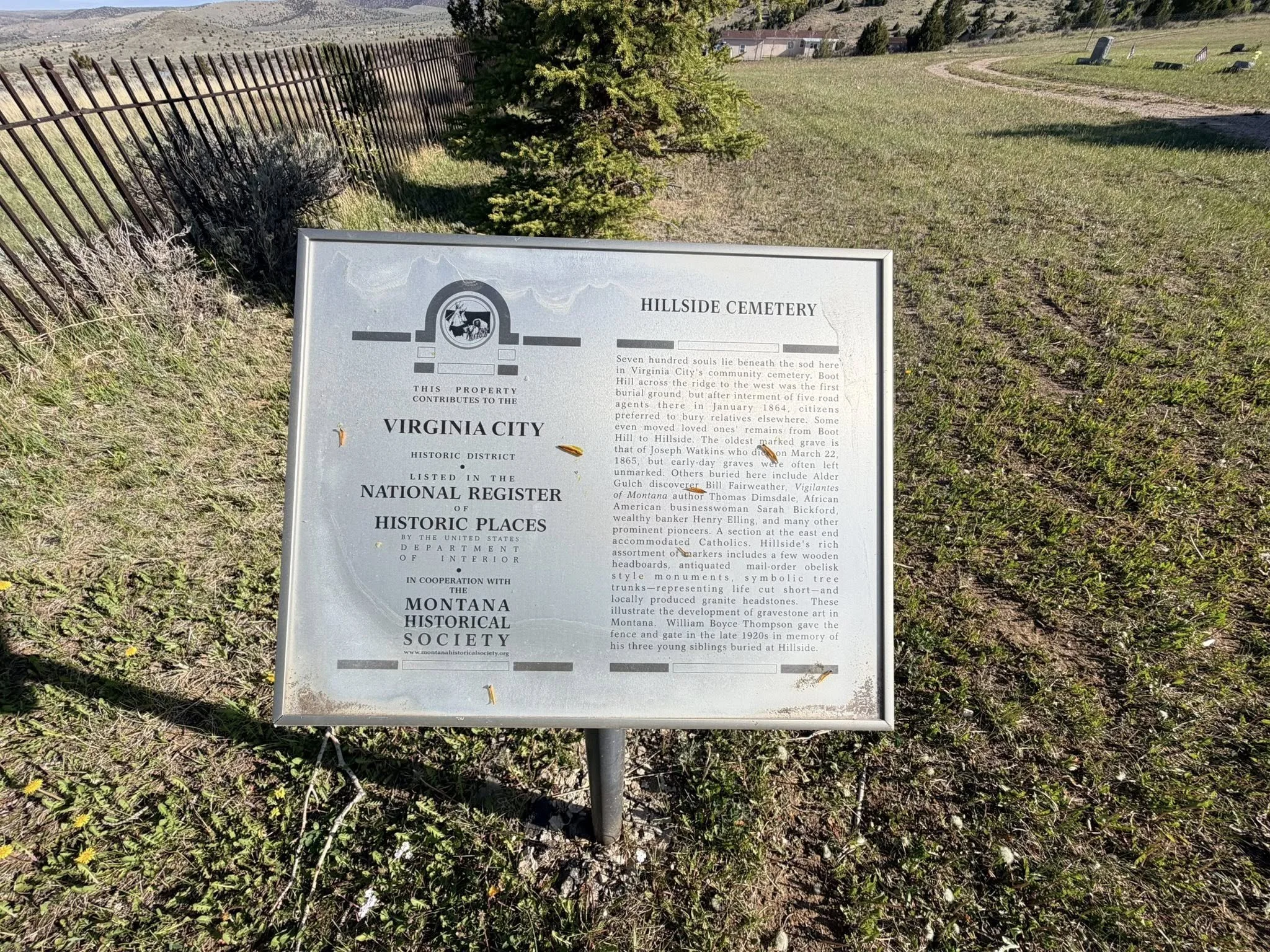
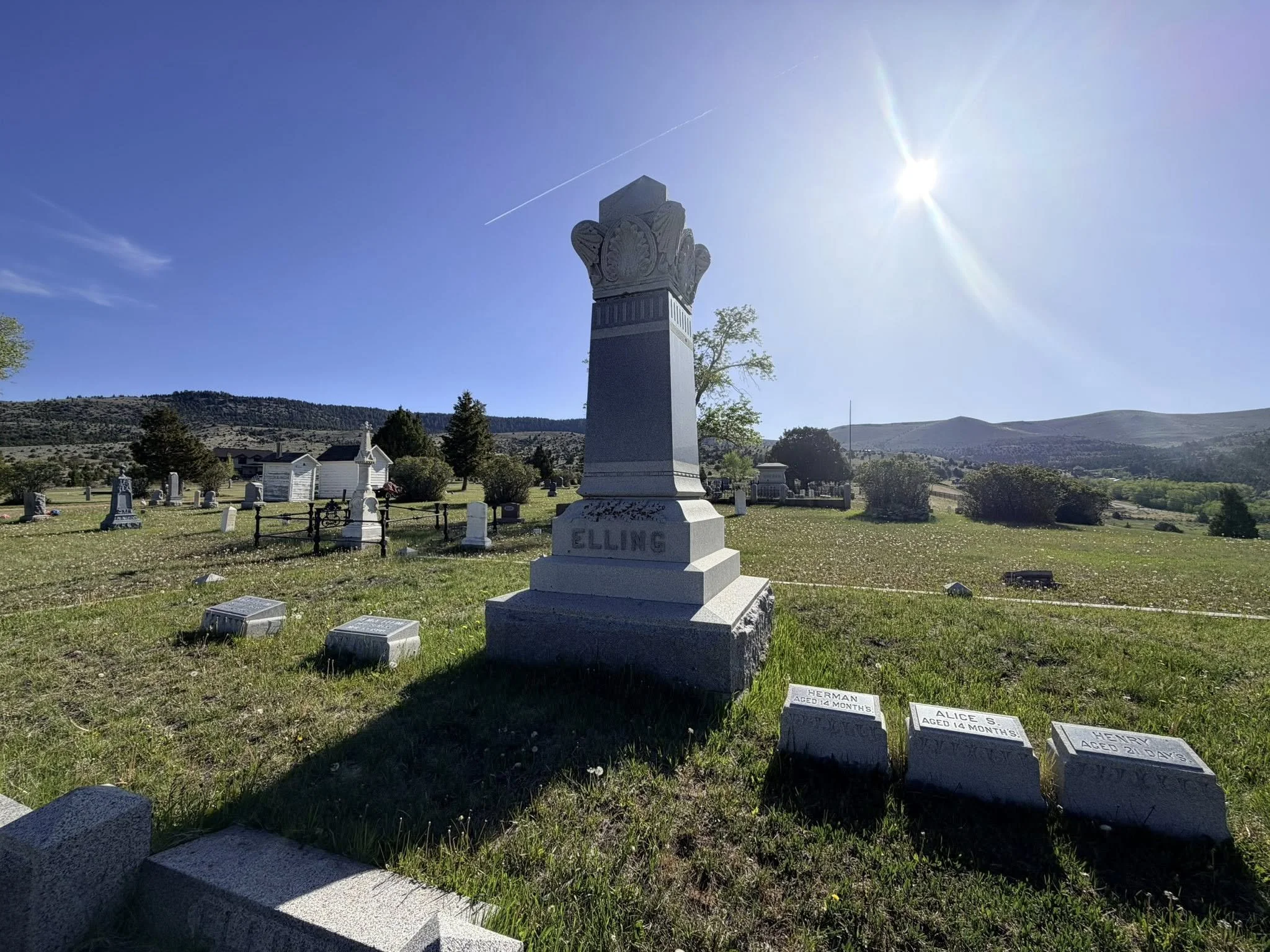
Virginia City Cemetery sits high above town overlooking Alder Gulch with one heck of a view. Walking through it is honestly a reminder of how brutal life was back then. So many graves belong to children and young adults because disease, mining accidents, harsh winters, and violence didn't exactly believe in second chances. The founder of Alder Gulch, Bill Fairweather, is buried there too. Fairweather and his partners stumbled onto one of the richest placer gold discoveries in the West in 1863. Within months, a settlement of a few tents exploded into a booming town of thousands and helped shape Montana Territory itself. Despite helping create one of Montana's greatest gold rushes, Fairweather died at just 33 years old. Standing there looking over the gulch, it's hard not to think about how many lives were built, changed, and lost because of a single discovery.
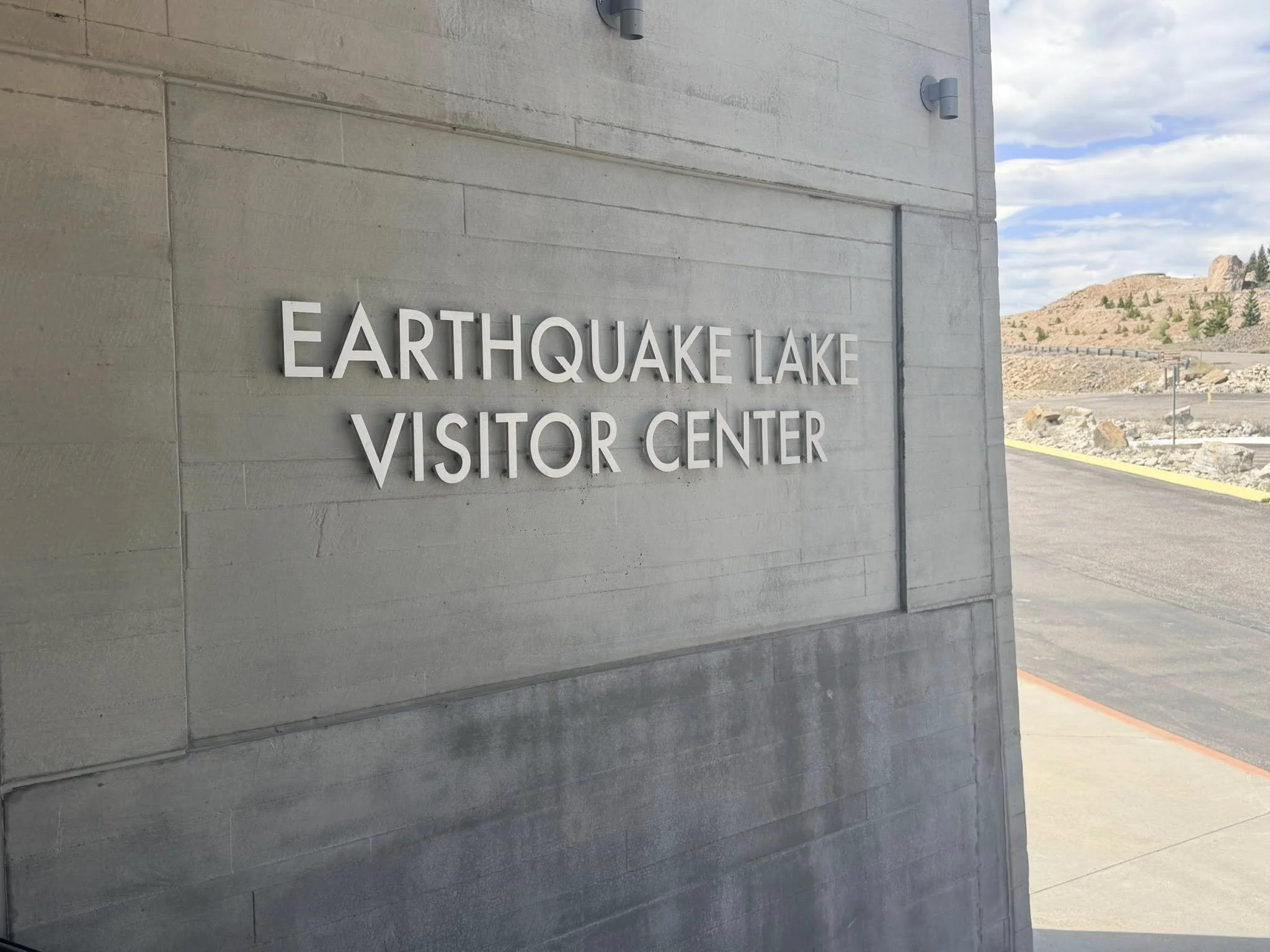
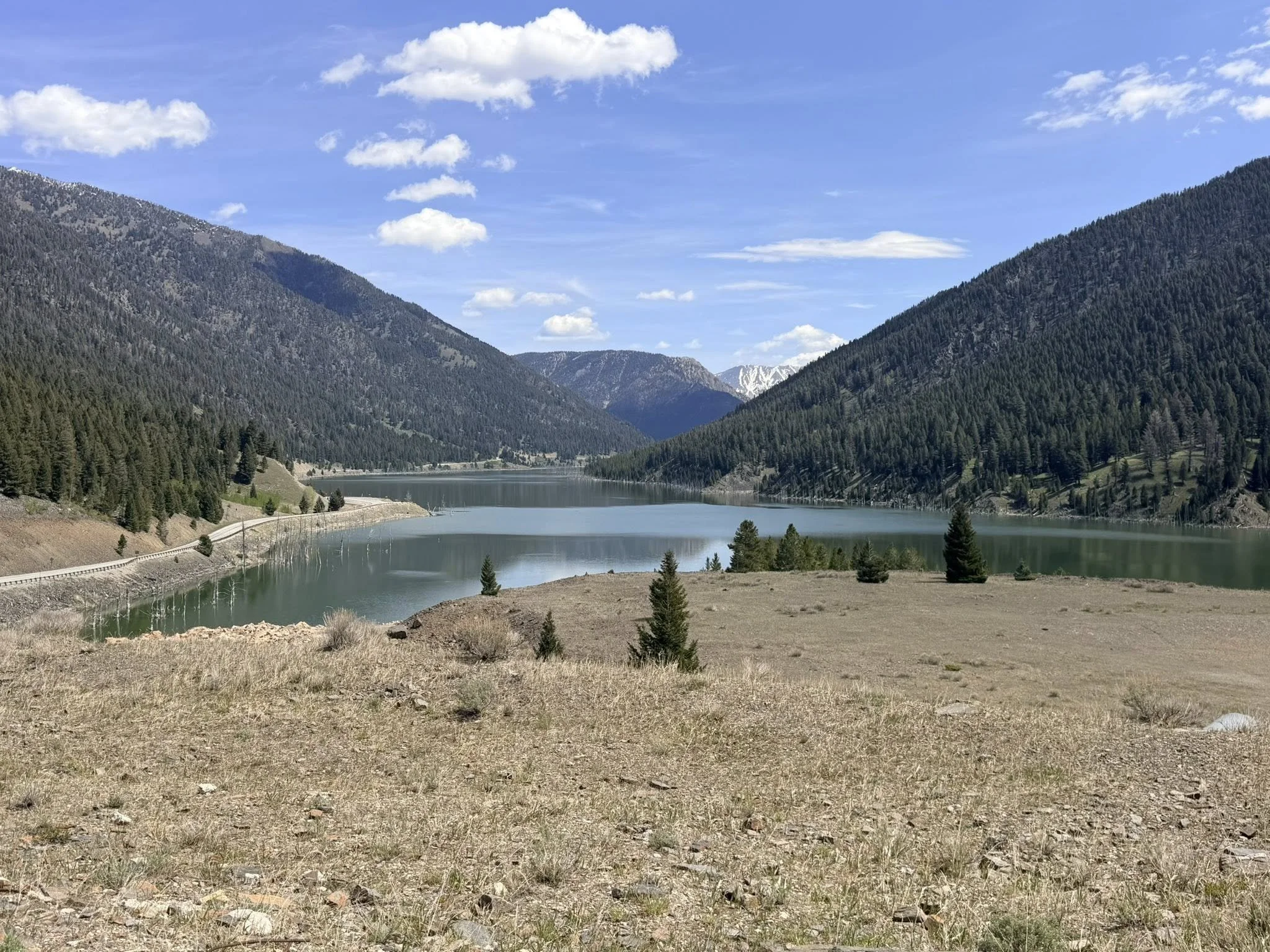
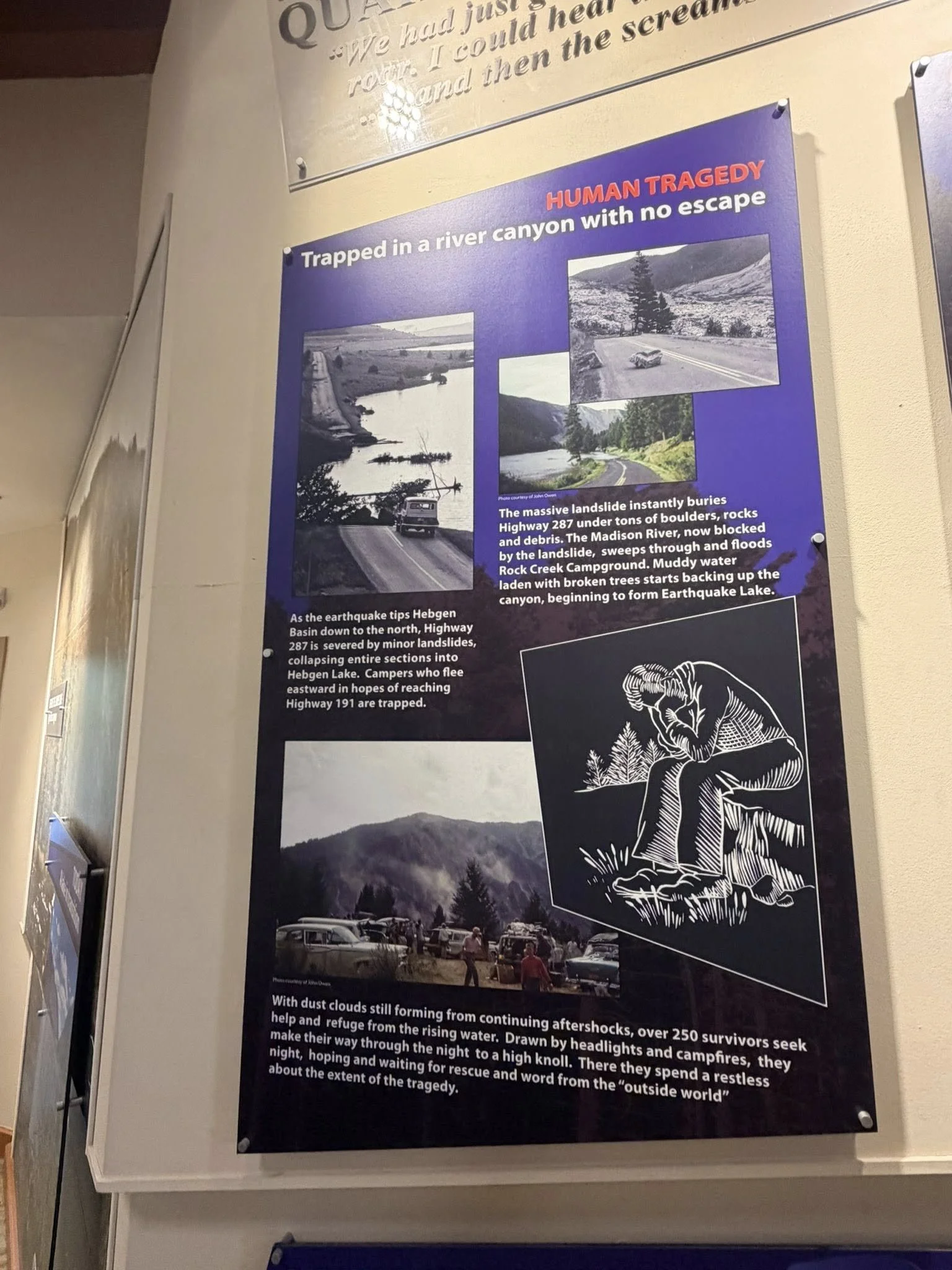
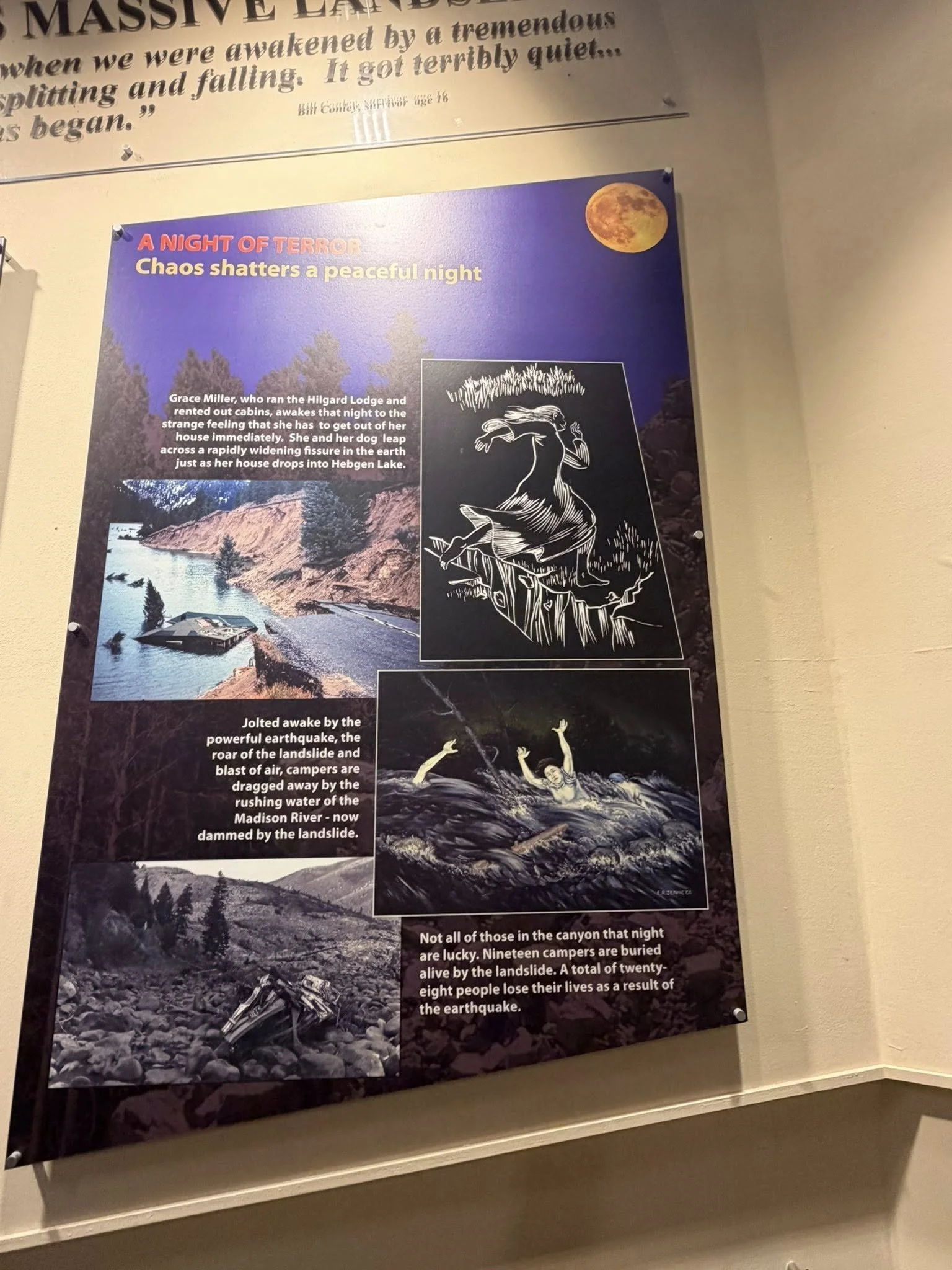
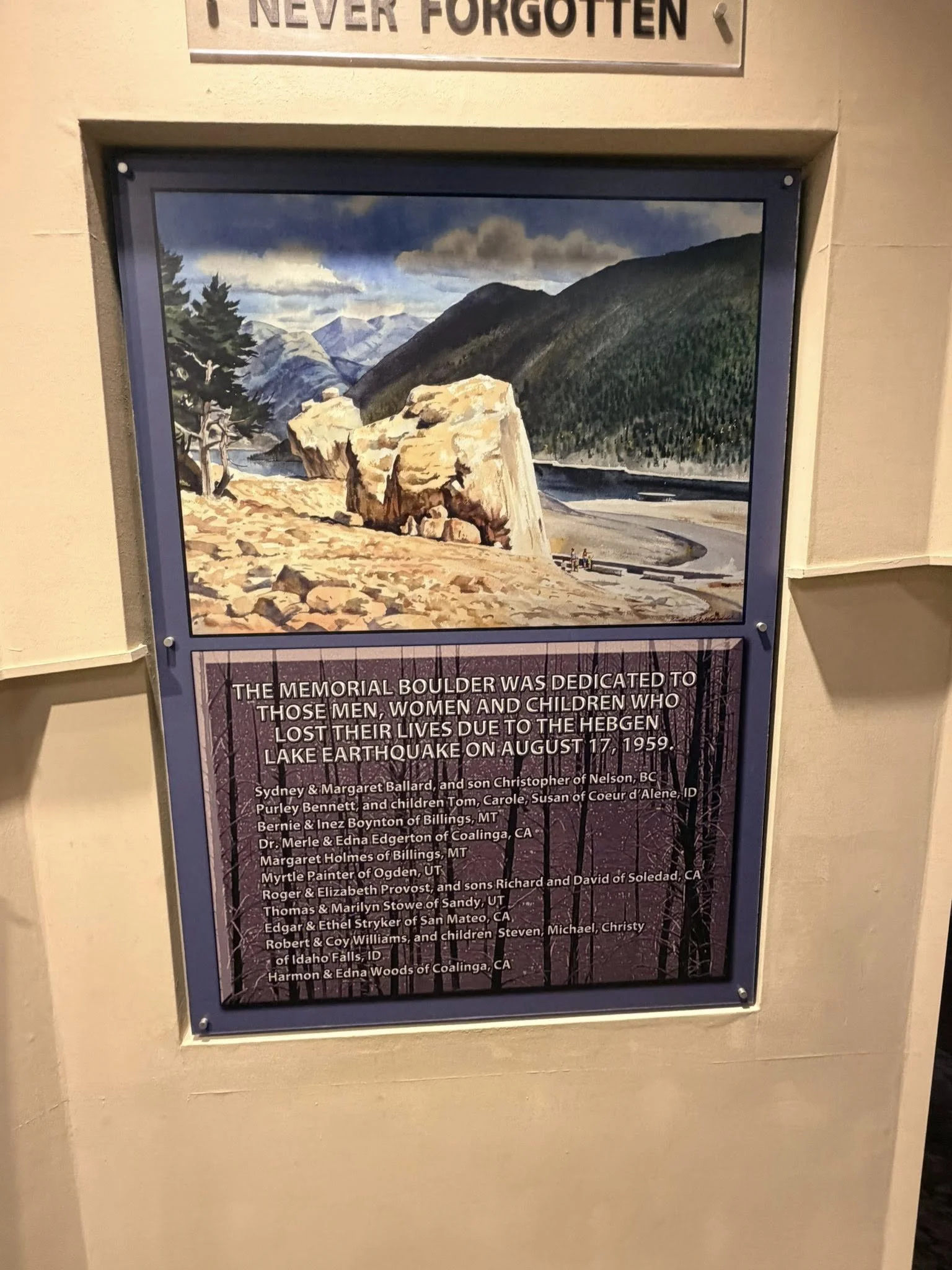
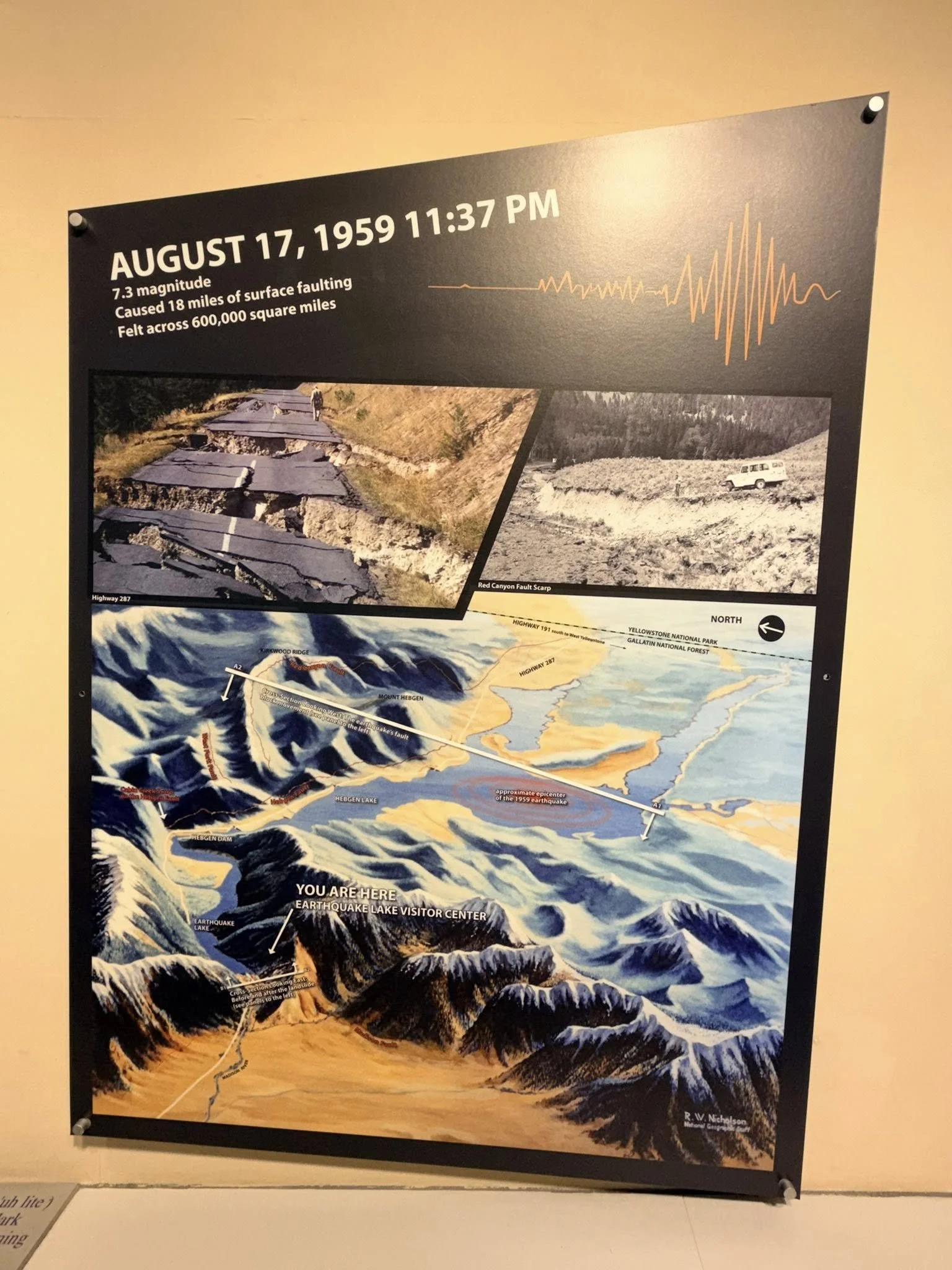
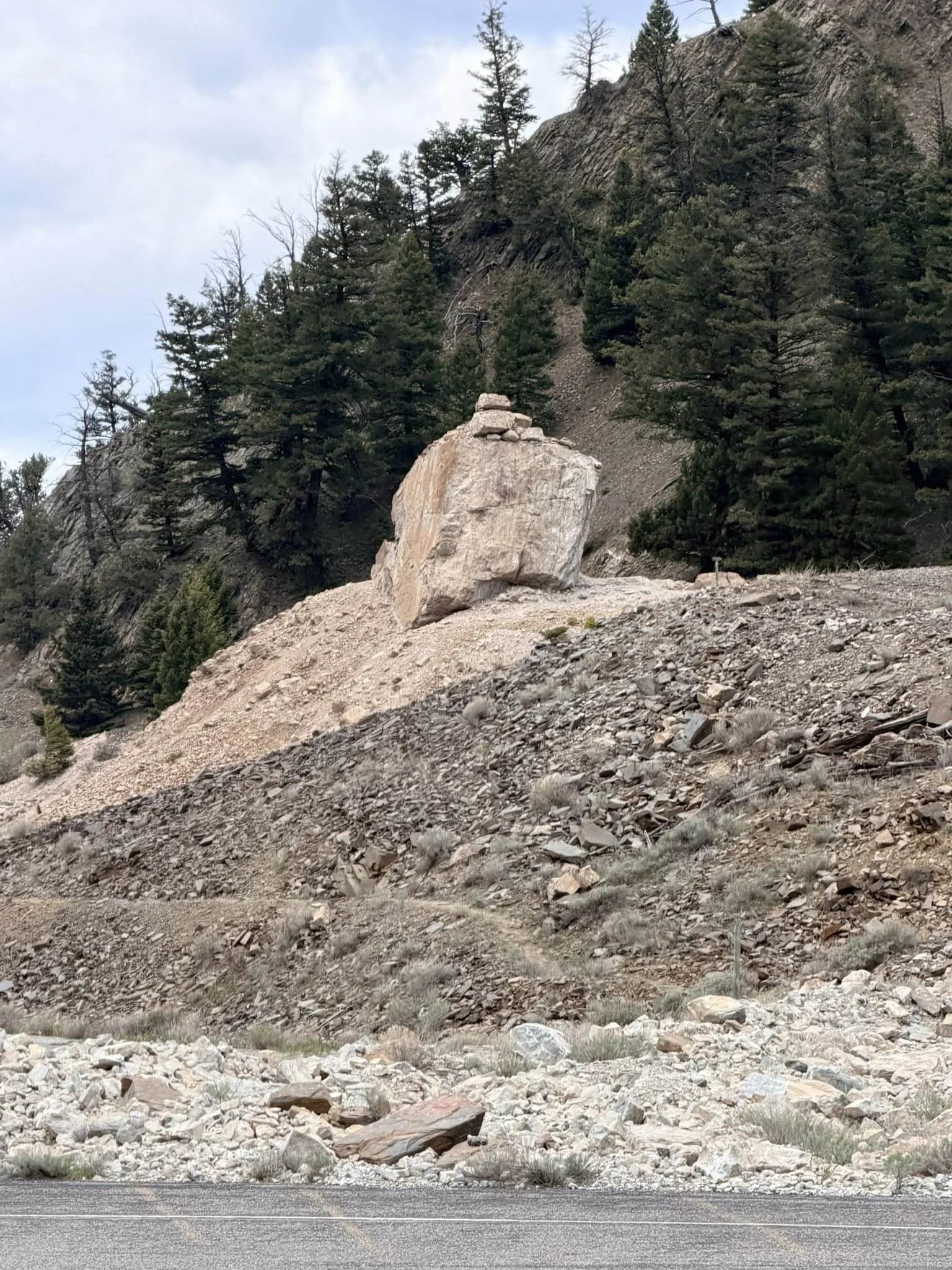
Third stop was the Earthquake Lake Visitor Center, and that place will humble you quickly. In the middle of the night on August 17, 1959, a magnitude 7.5 earthquake ripped through the Madison River Canyon. The shaking triggered an 80-million-ton landslide that thundered down the mountainside at an estimated 100 miles per hour. Entire campsites were buried in seconds, killing 28 people. The slide dammed the Madison River and created Earthquake Lake almost overnight. Even today, the scar from the landslide is clearly visible on the mountain.
What hit me the hardest were the survivor stories. Families were trapped in the dark, roads vanished, and people had no idea what had happened around them. Some escaped by climbing over the fresh landslide while others spent hours helping strangers. The visitor center does an incredible job telling those stories and reminding you that while humans love to think we're in control, Mother Nature occasionally likes to provide a very dramatic correction.
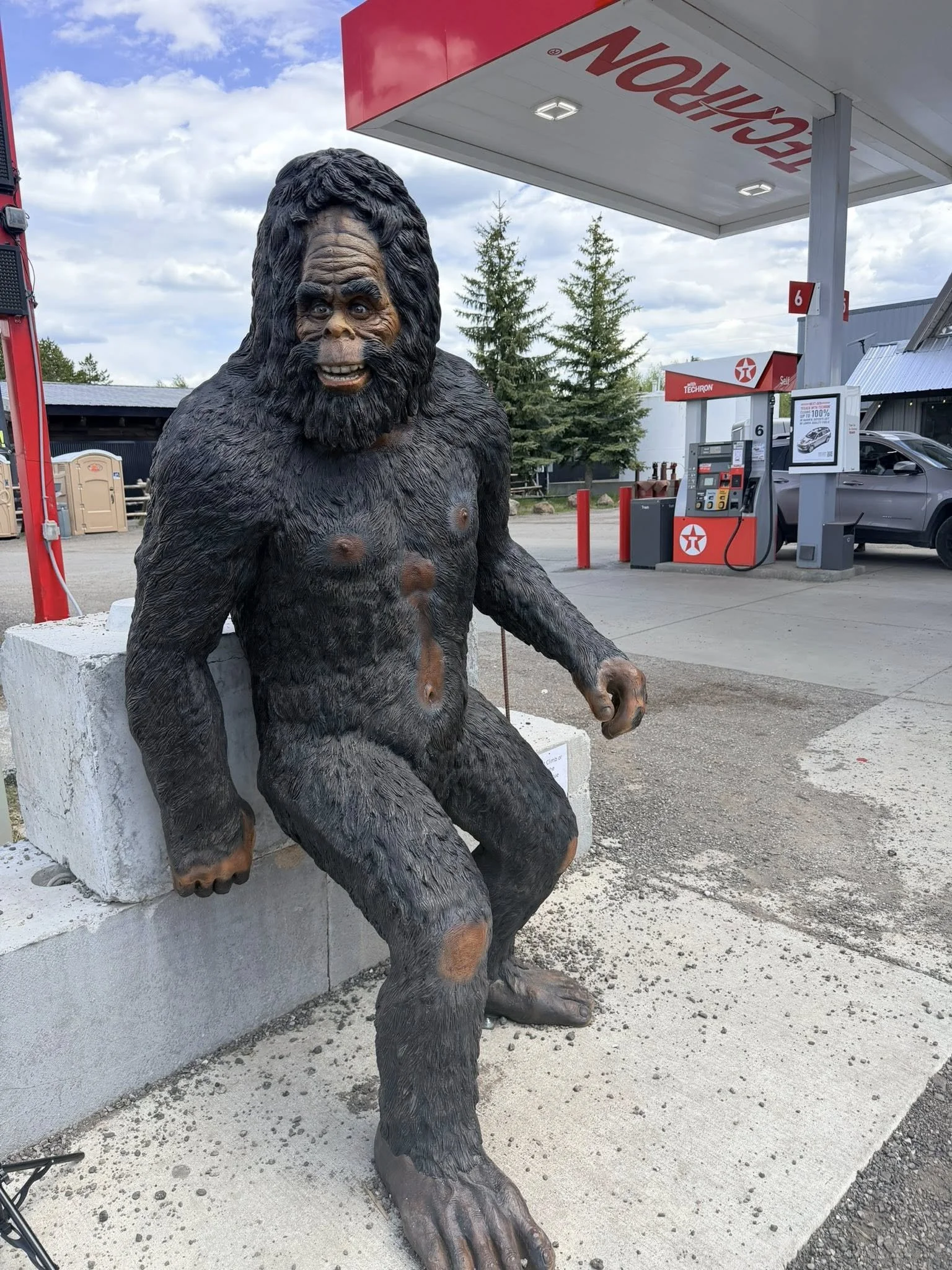
Final stop... Bigfoot.
Because no trip should end without a sasquatch sighting. Granted, ours was standing outside a gas station and appeared to be mostly fiberglass and poor life choices, but honestly that still felt authentic.