Montana Adventure - Elkhorn, Comet, and Bozeman
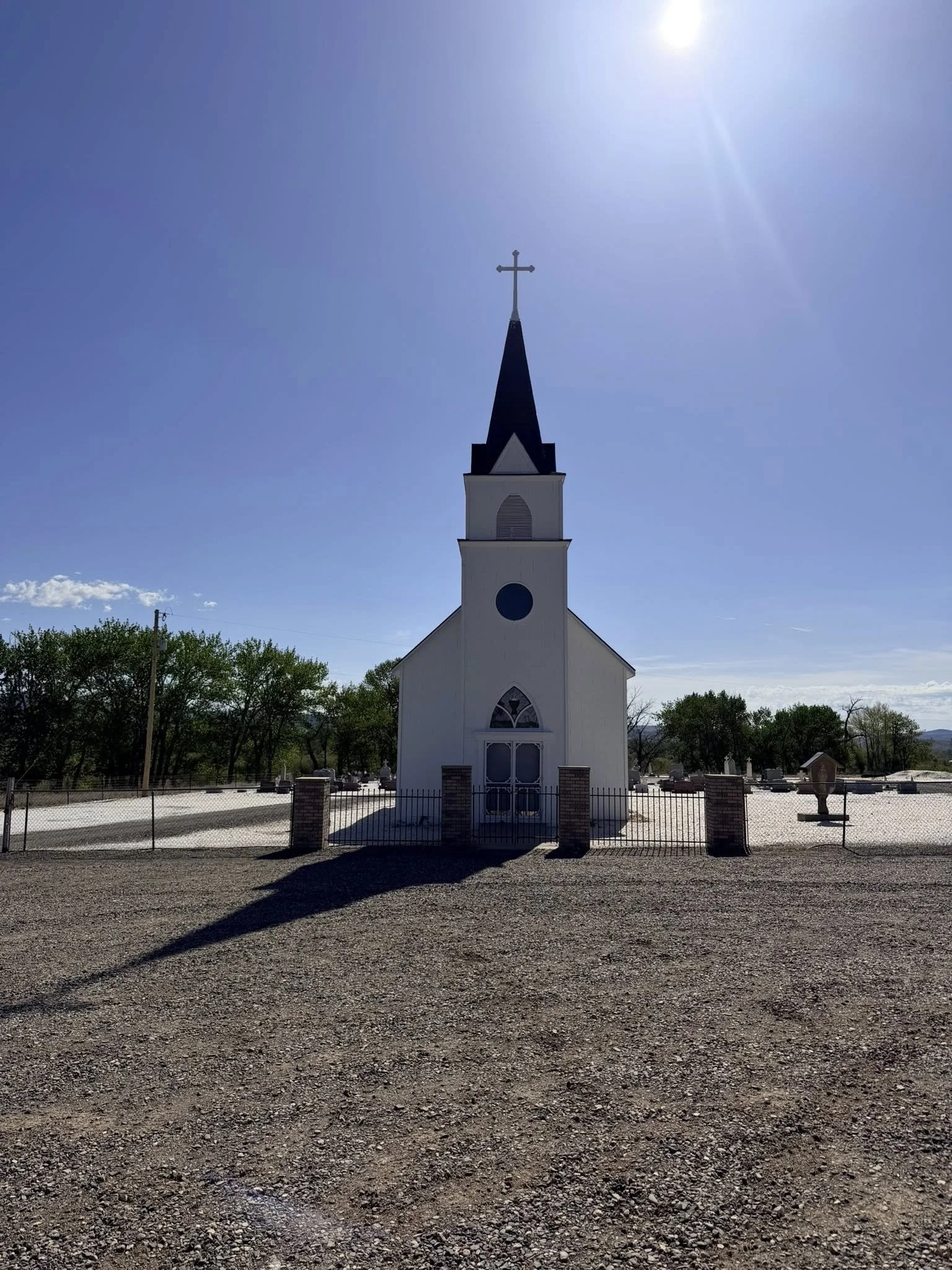
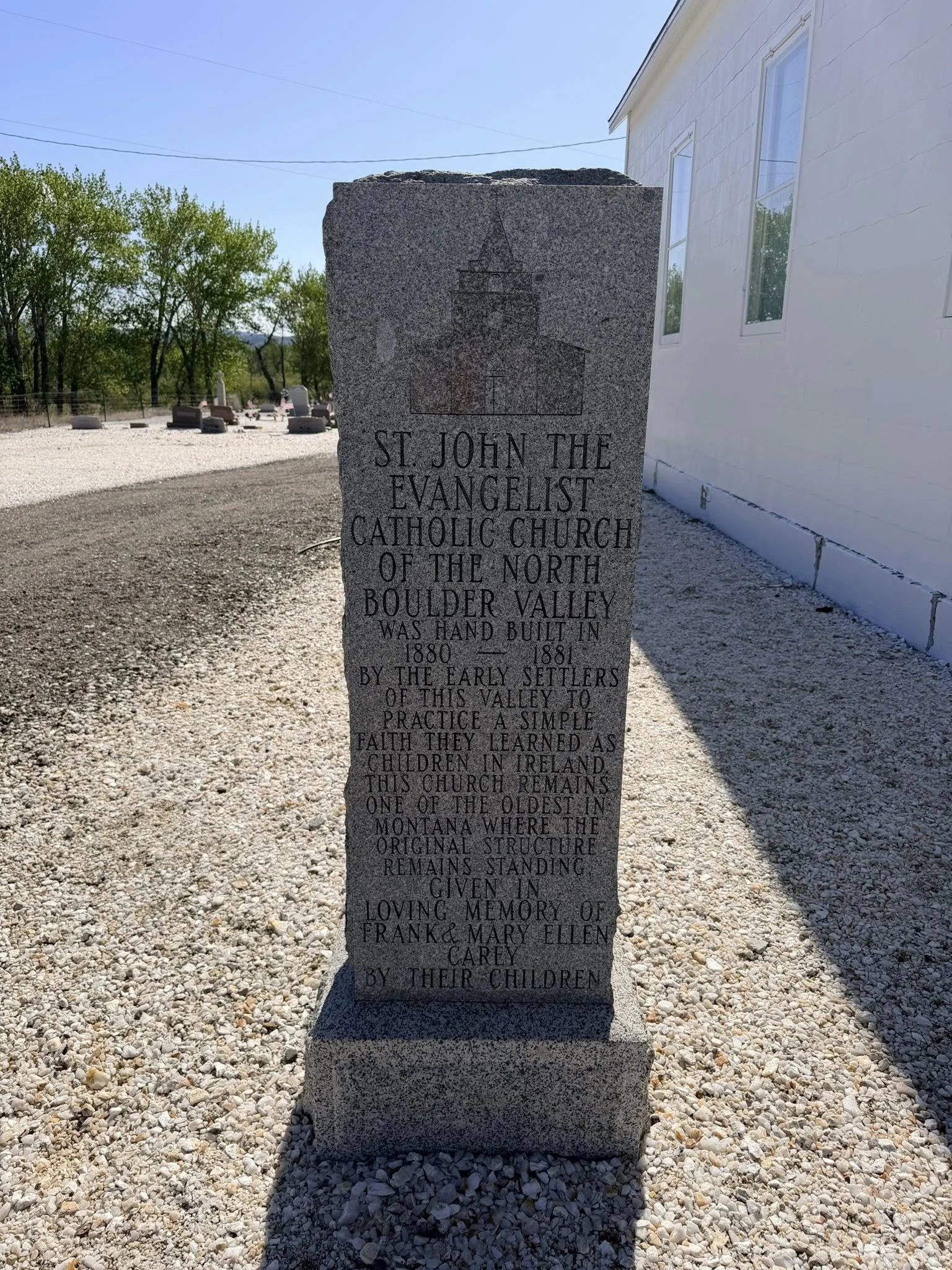
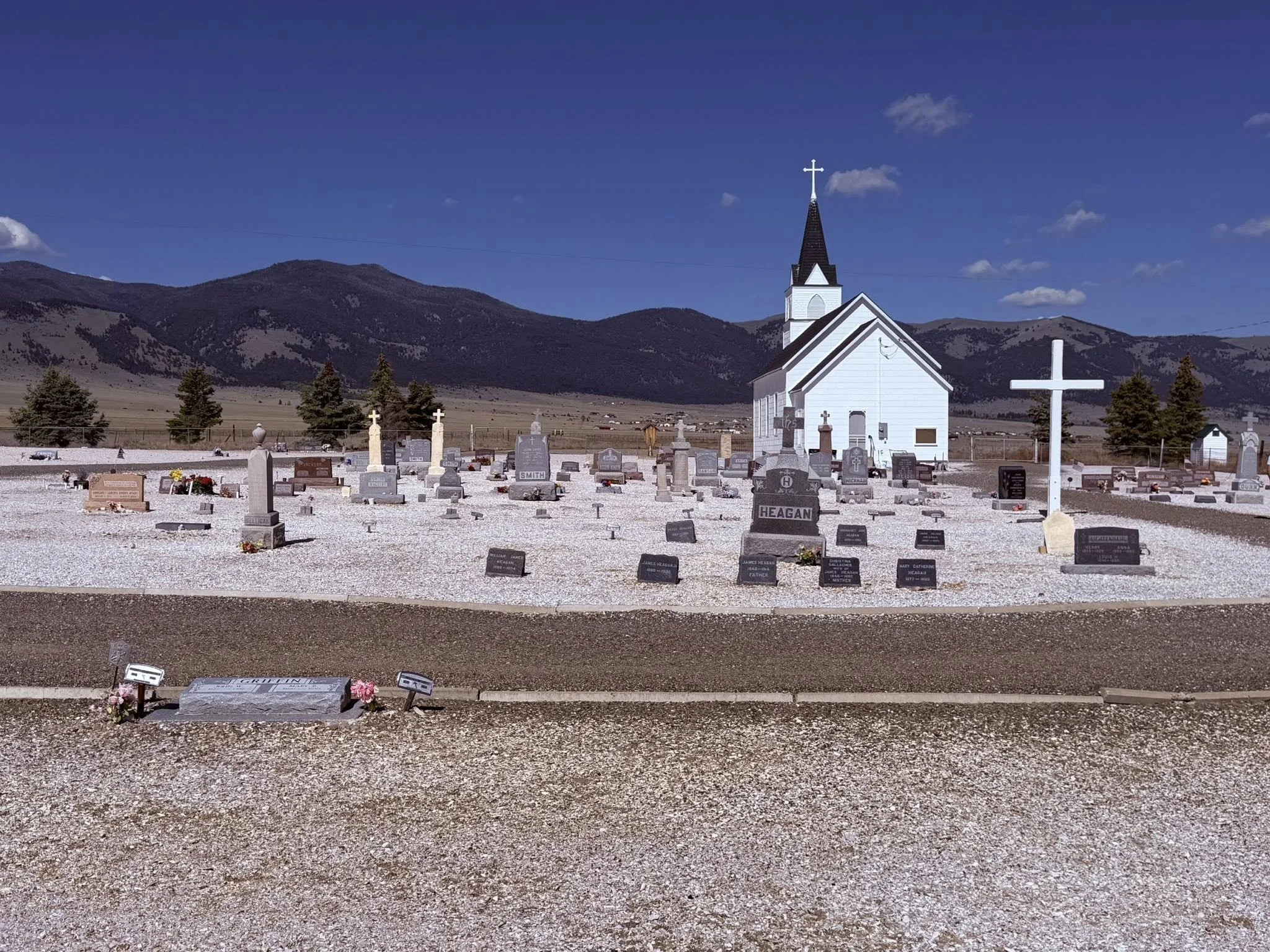
First stop was St. John the Evangelist Catholic Church of the North Boulder Valley. Built completely by hand between 1880-1881 by early settlers, it is one of the oldest churches in Montana and one of the few remaining reminders of the communities that once thrived throughout the valley. The outside alone was beautiful enough to make you stop and stare for a minute. Sadly we couldn't get inside, which honestly feels a little rude after driving all the way out there.
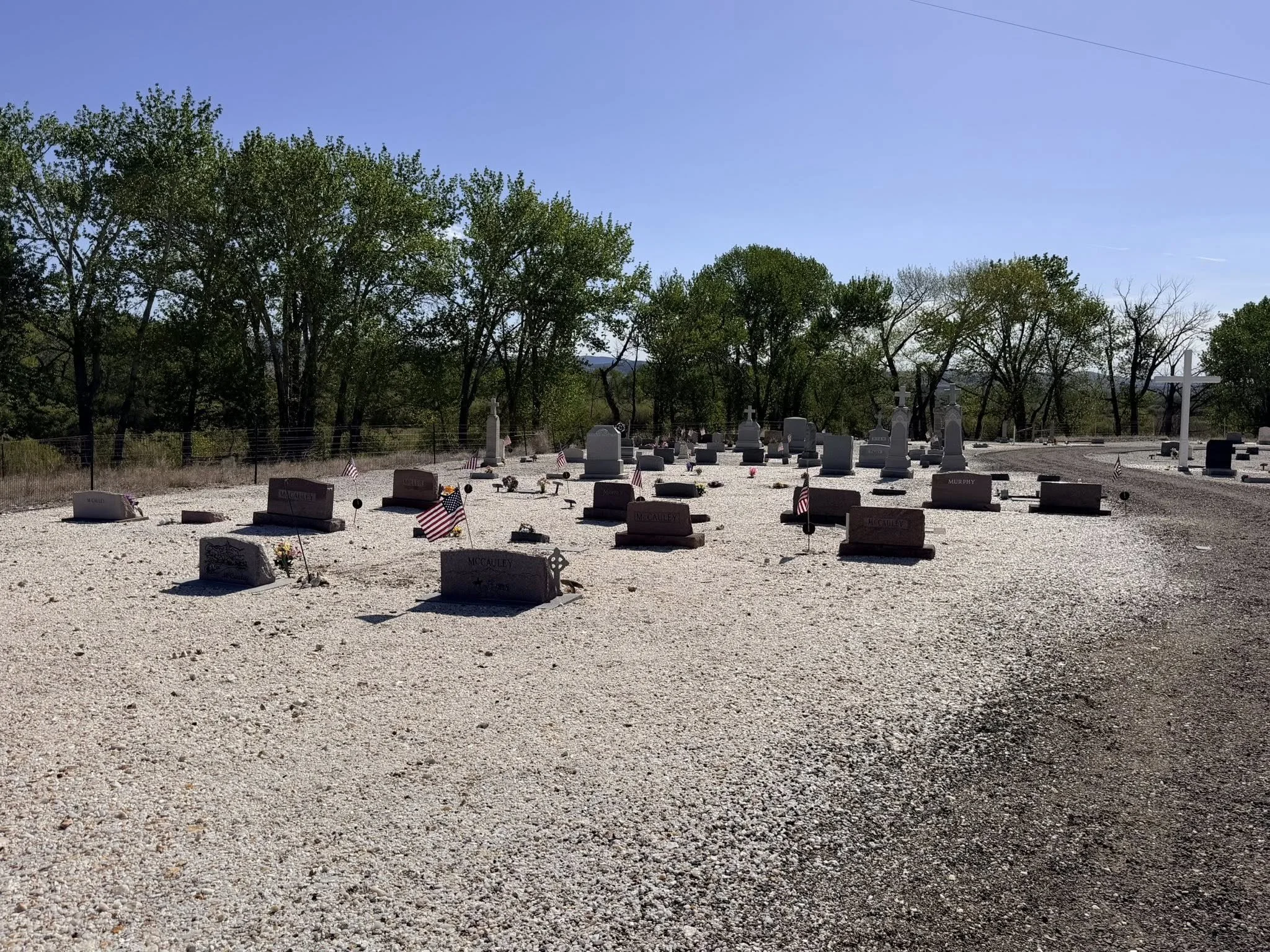
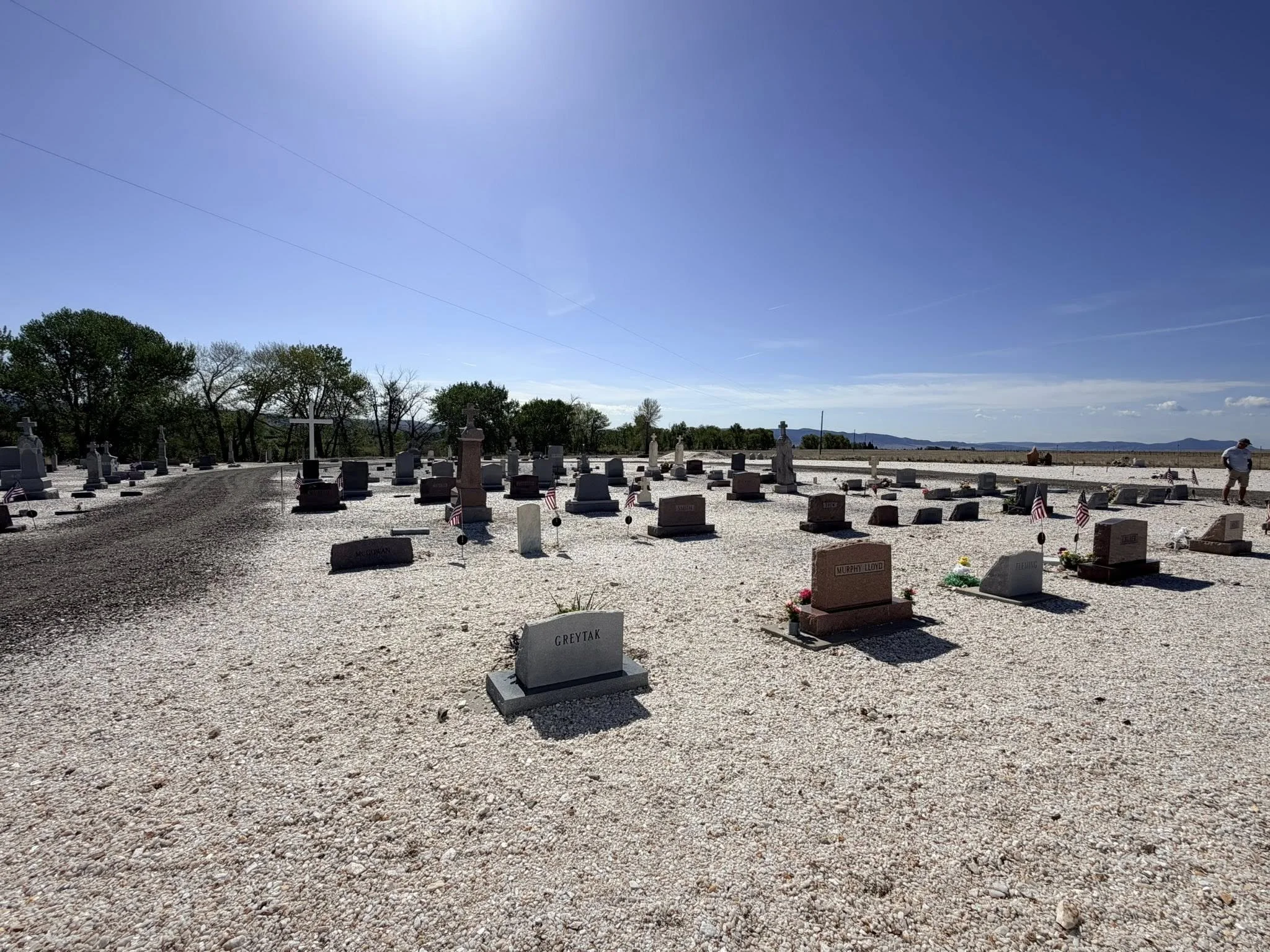
The little cemetery beside it was quiet, well preserved, and one of those places that reminds you history isn't just stories in books. These were real people trying to survive Montana winters before heated seats, grocery stores, and drive-thrus existed. Many of the families buried there were among the area's earliest settlers, helping establish ranches and communities throughout the North Boulder Valley when most of Montana was still very much frontier country.
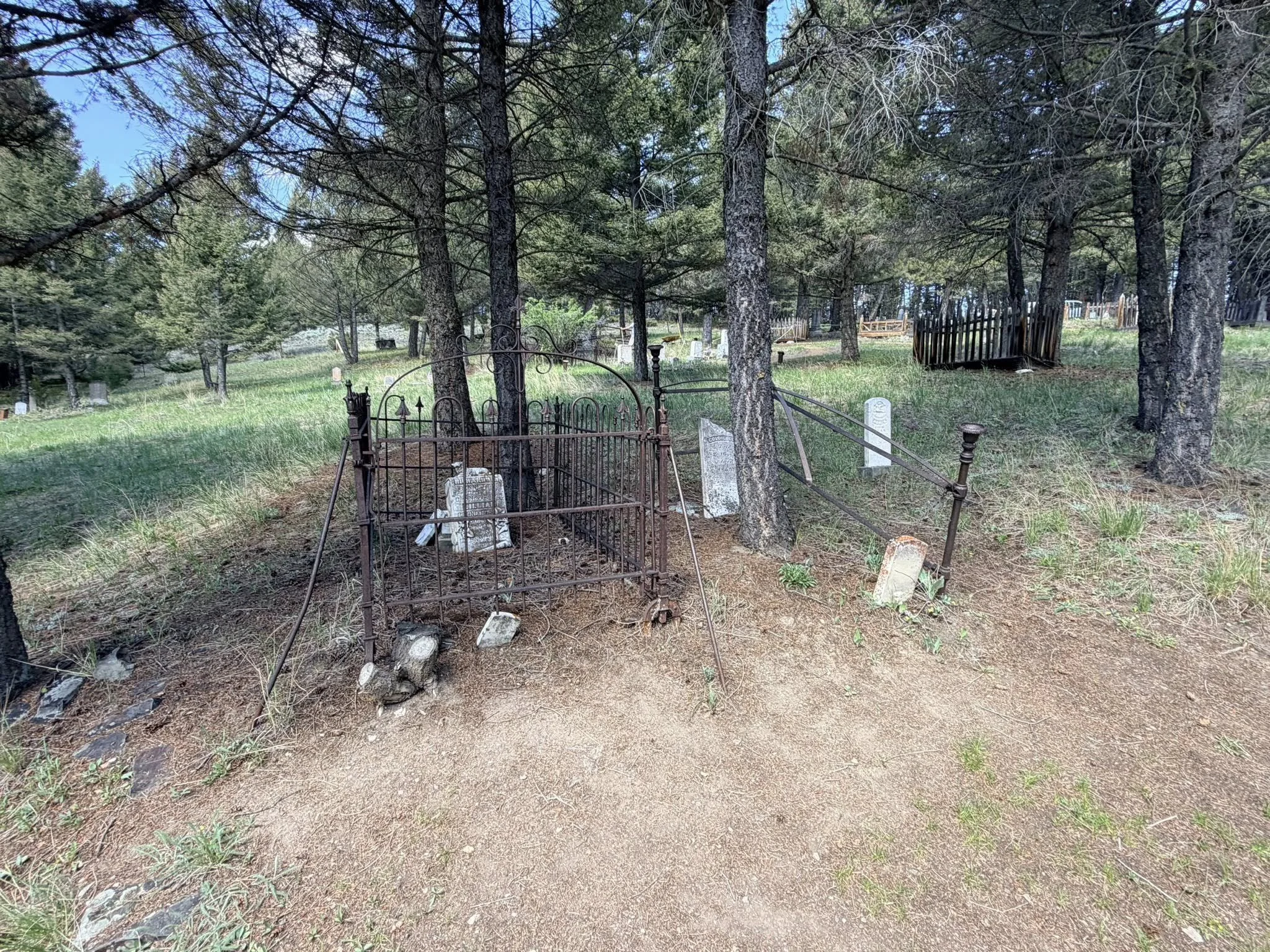
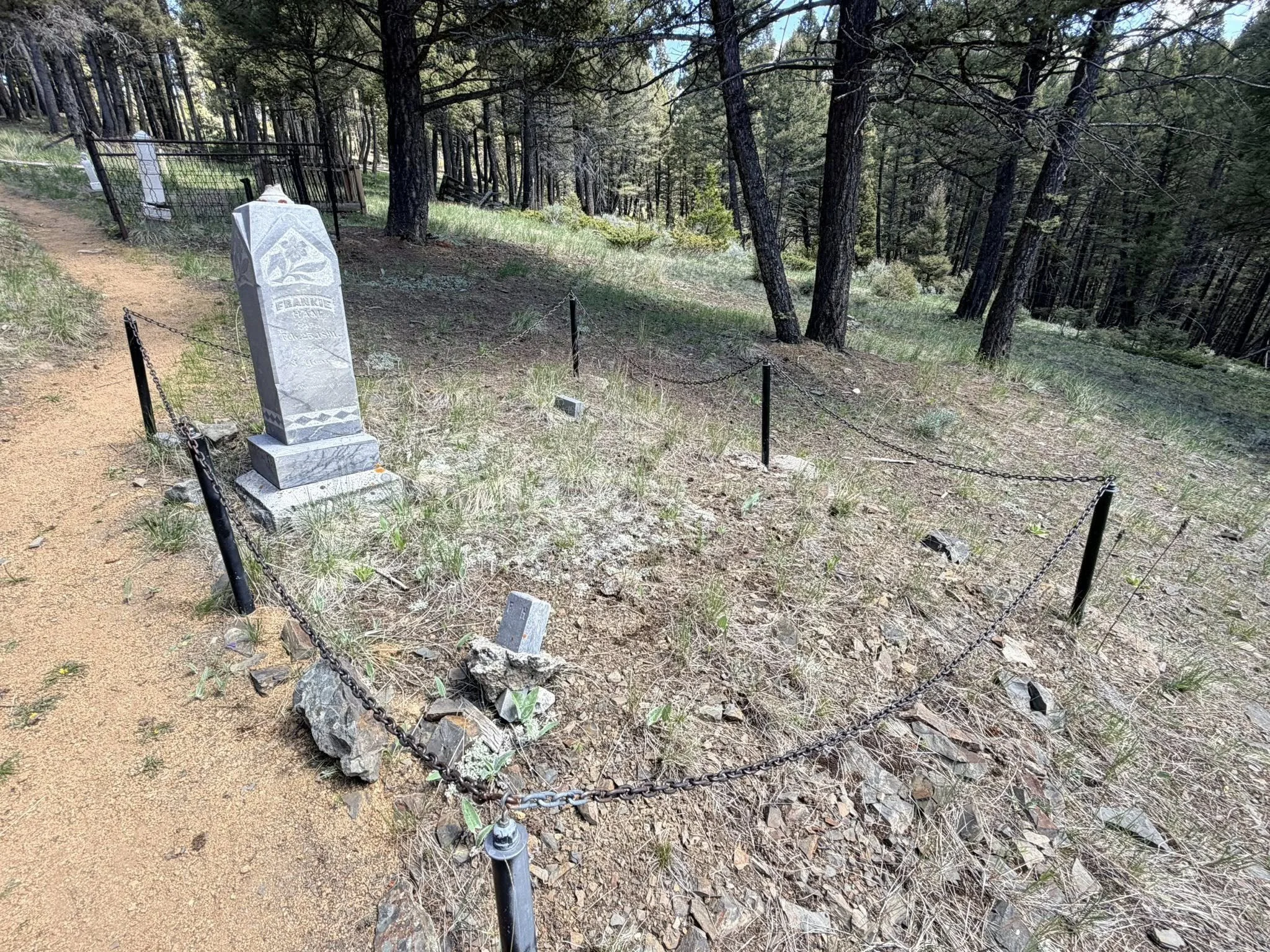
Second stop was Elkhorn, and just like yesterday, the cemetery hit hard.
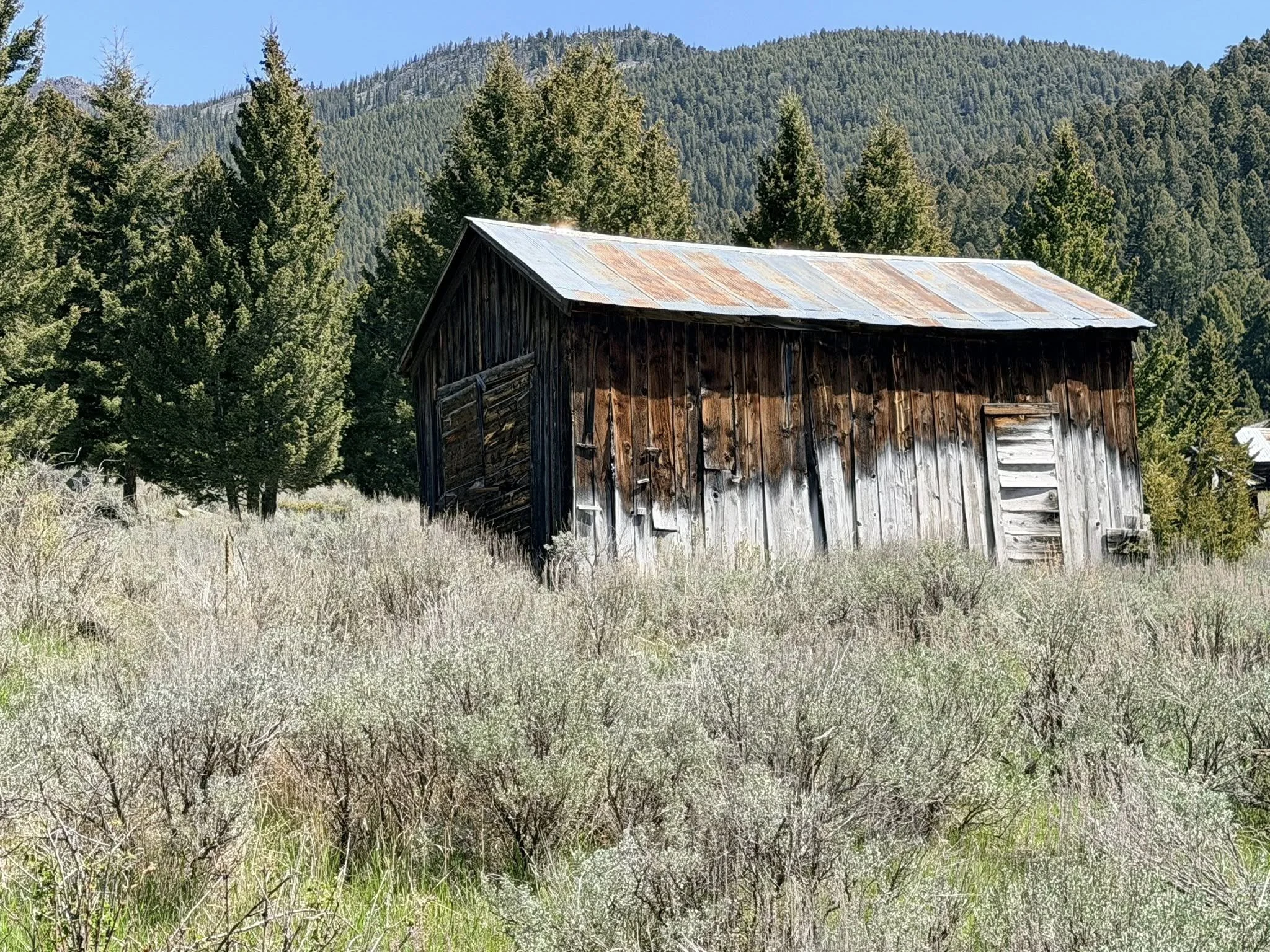
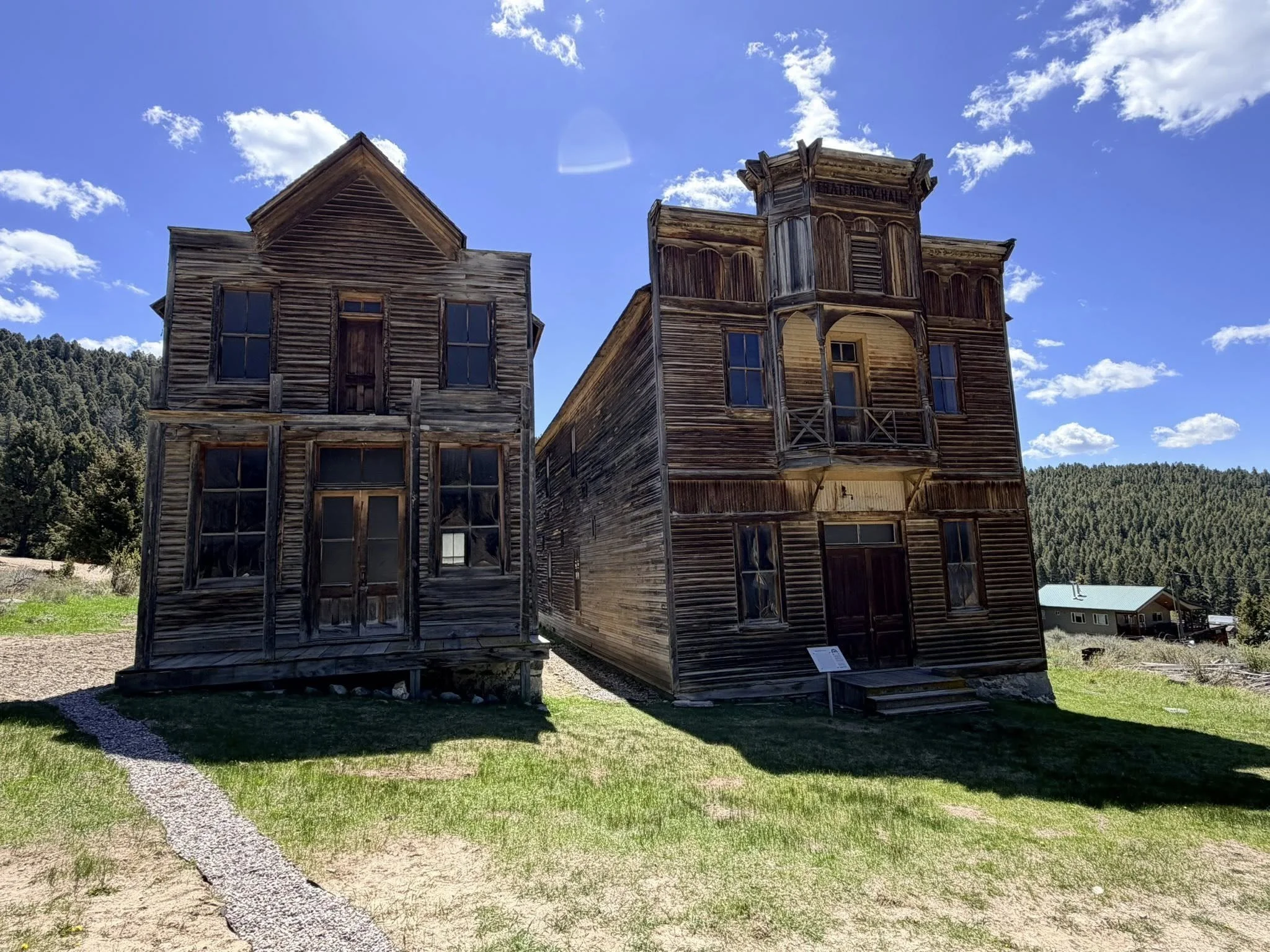
Elkhorn began as a silver mining camp in the 1870s and quickly grew into one of Montana's largest mining towns. At its peak, more than 2,500 people called it home. The mines produced millions of dollars in silver, and for a time Elkhorn had schools, churches, businesses, hotels, saloons, and all the chaos that came with a booming mining town. Like many western mining communities, it seemed unstoppable until declining silver prices and exhausted mines slowly emptied the town.
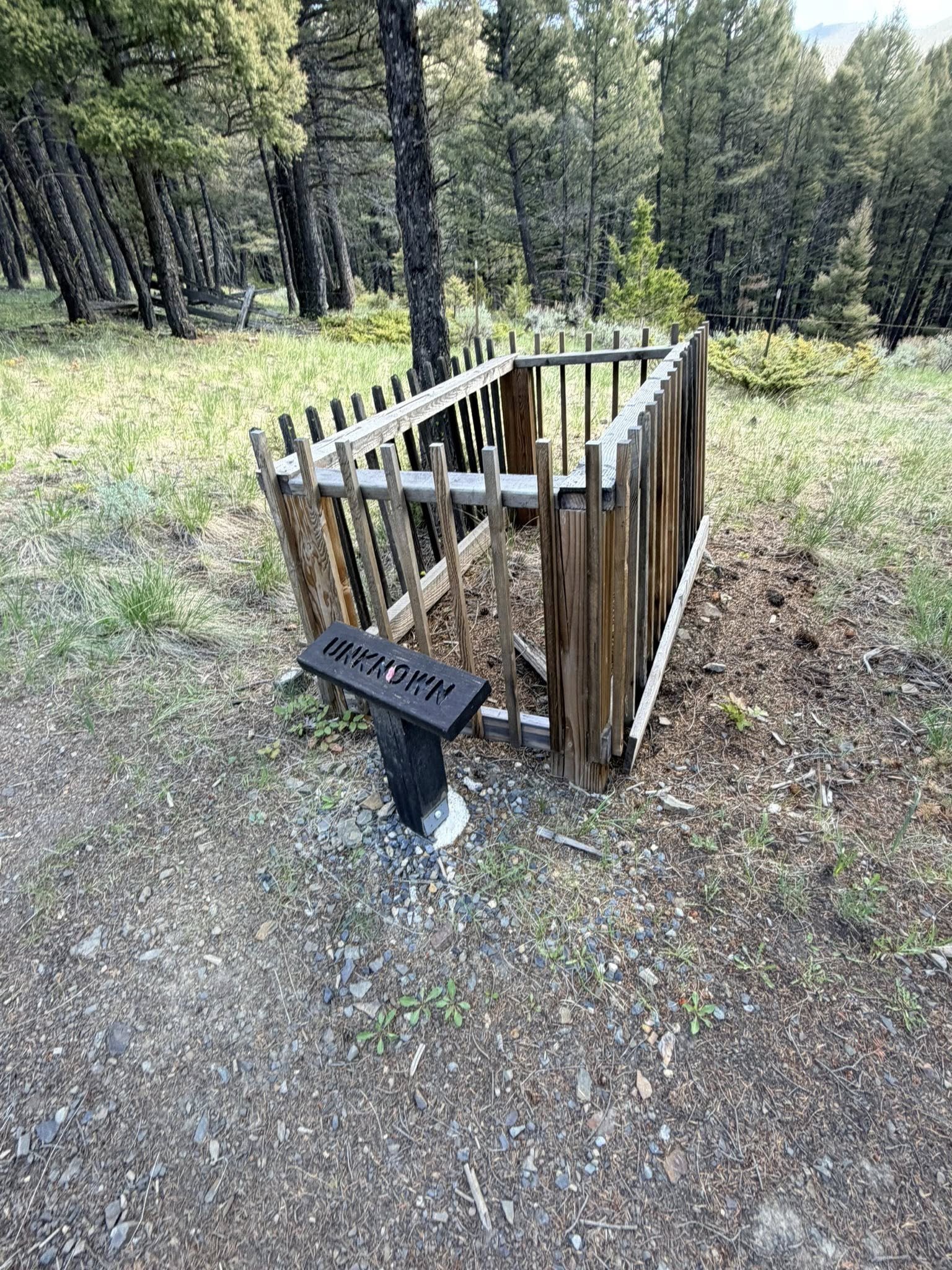
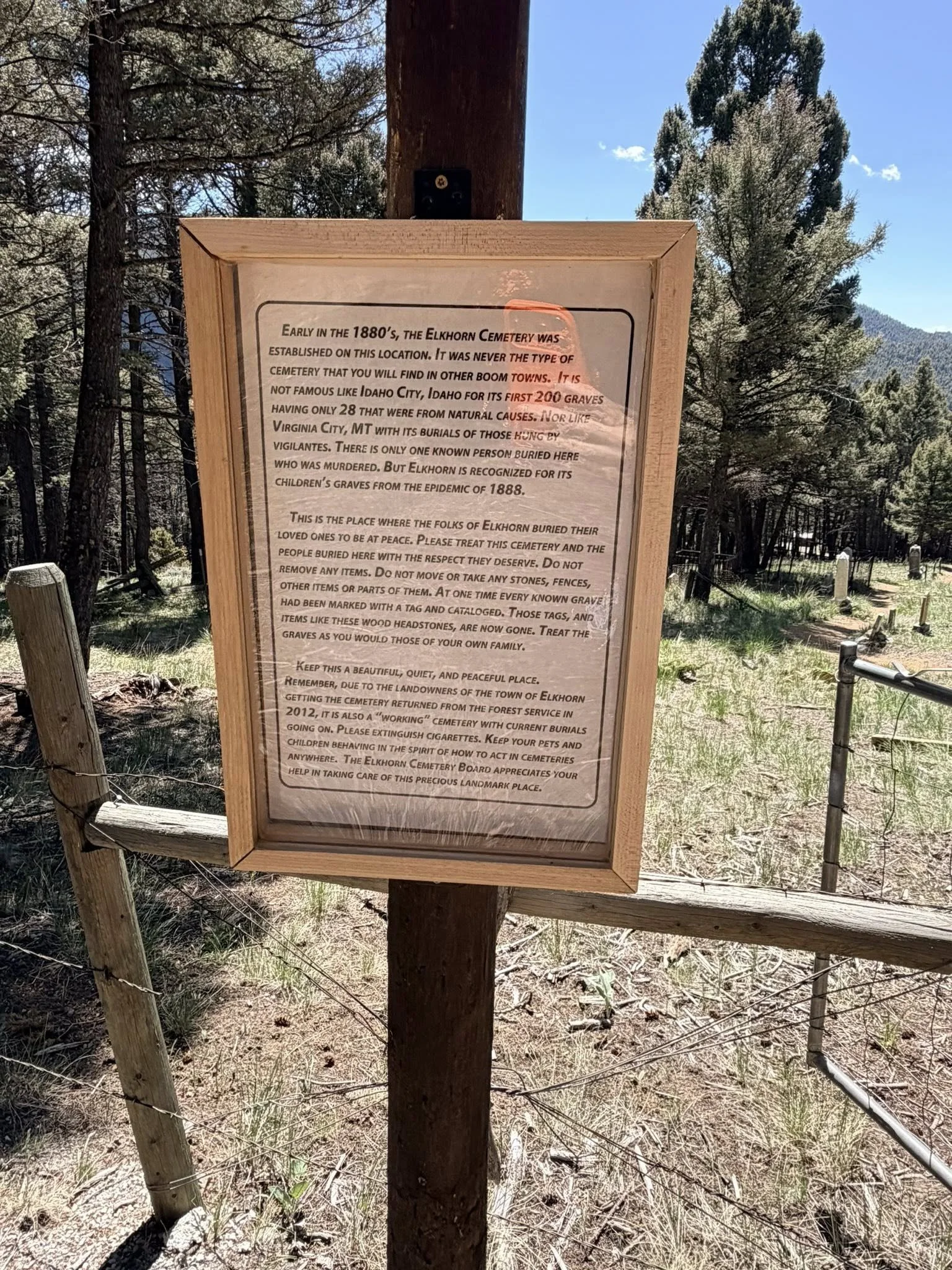
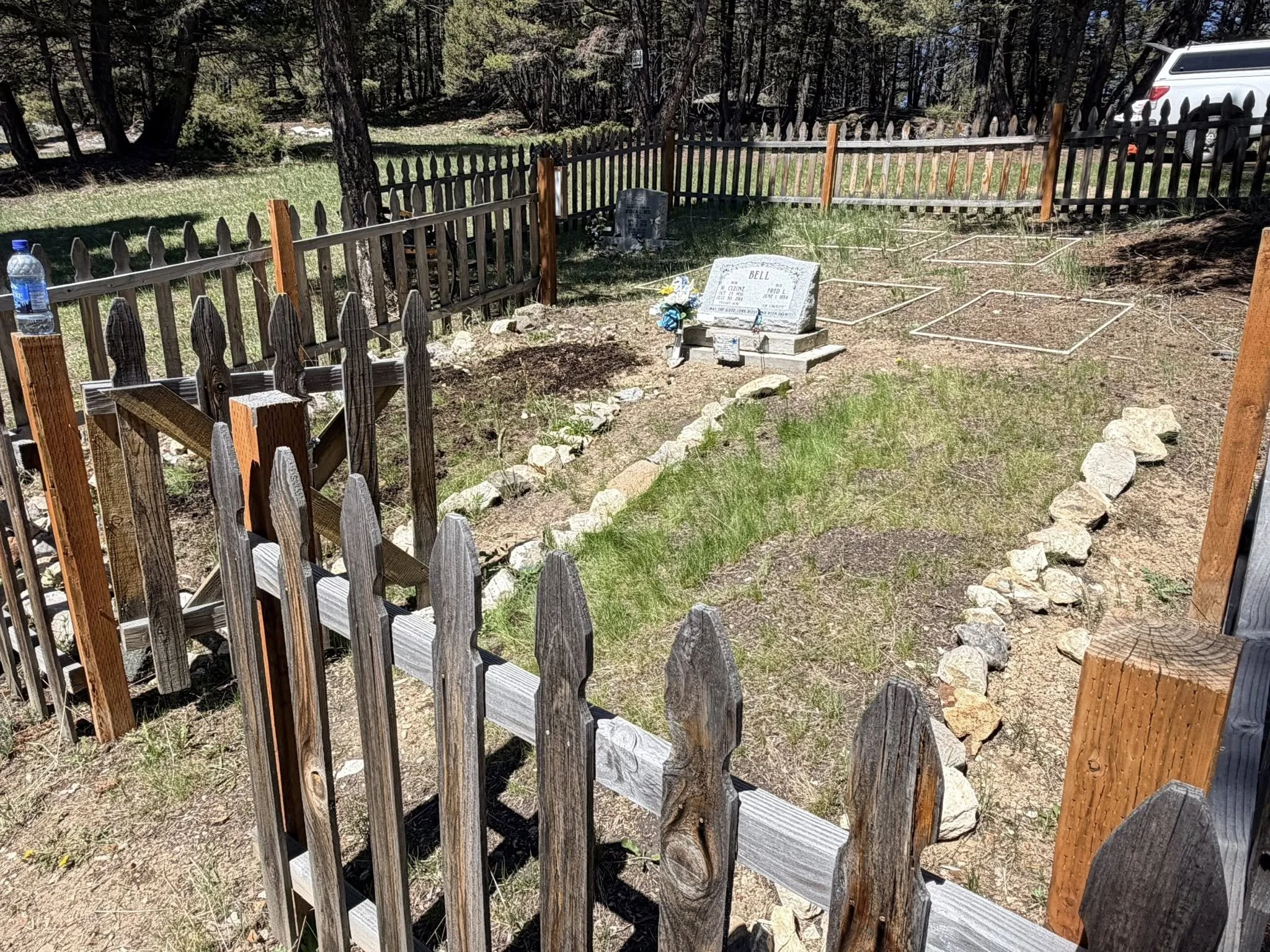
The cemetery tells a different story than the surviving buildings. There were so many children buried there that at first glance it honestly felt like there were more kids than adults. In the late 1880s a diphtheria epidemic swept through the community, claiming many young lives. Standing there reading the markers makes history feel a whole lot less distant. It's easy to talk about mining booms and frontier expansion. It's a lot harder when you're standing in front of the graves of children who never got the chance to grow up.
One grave that stuck with me was for two boys, Nelson and Walton, buried together after accidentally finding "giant powder" up in the mountains. The powder detonated, killing them both. It's one of those stories that stops you for a minute because it reminds you how dangerous mining towns and frontier life really were. Back then even a normal day could turn tragic in seconds.
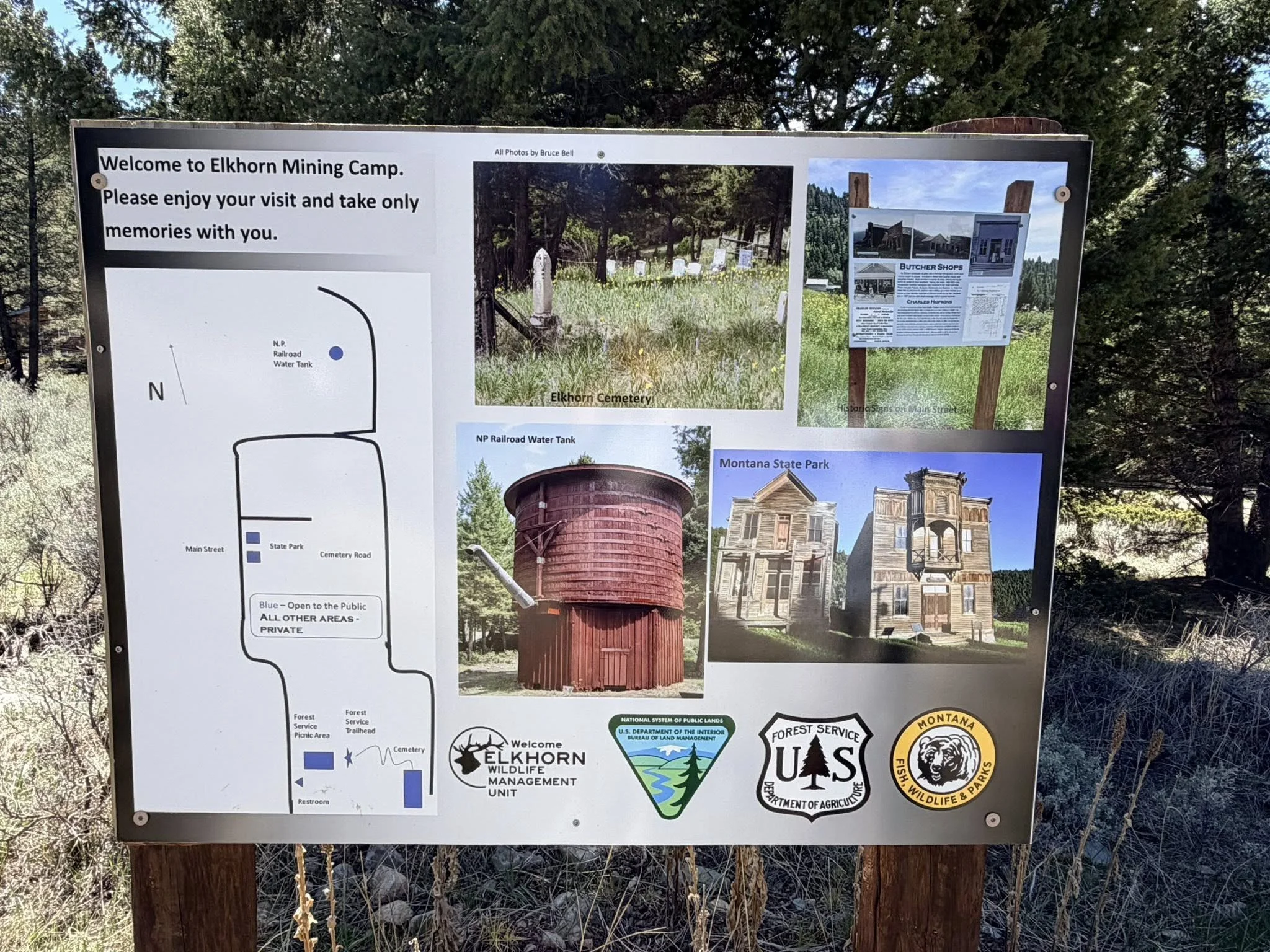
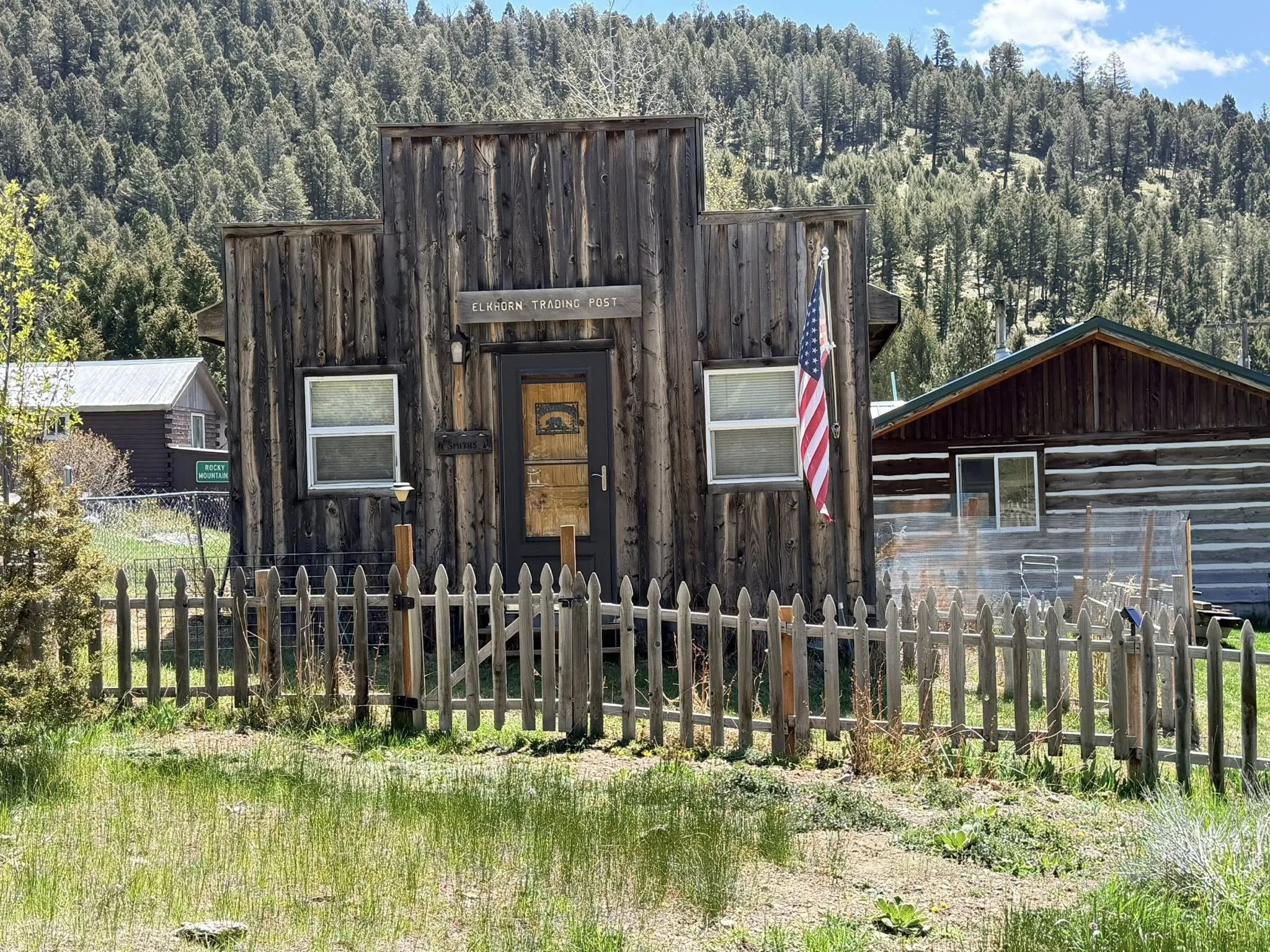
The town is slowly working to restore the cemetery, identify graves, and repair markers that have been damaged over time. New burials are no longer allowed there, only ashes. You can enter two of the historic buildings, while the rest sit on private property, but there are still plenty of old structures standing throughout town. There also appears to still be active mining nearby, because Montana apparently never fully stopped digging holes in mountains.
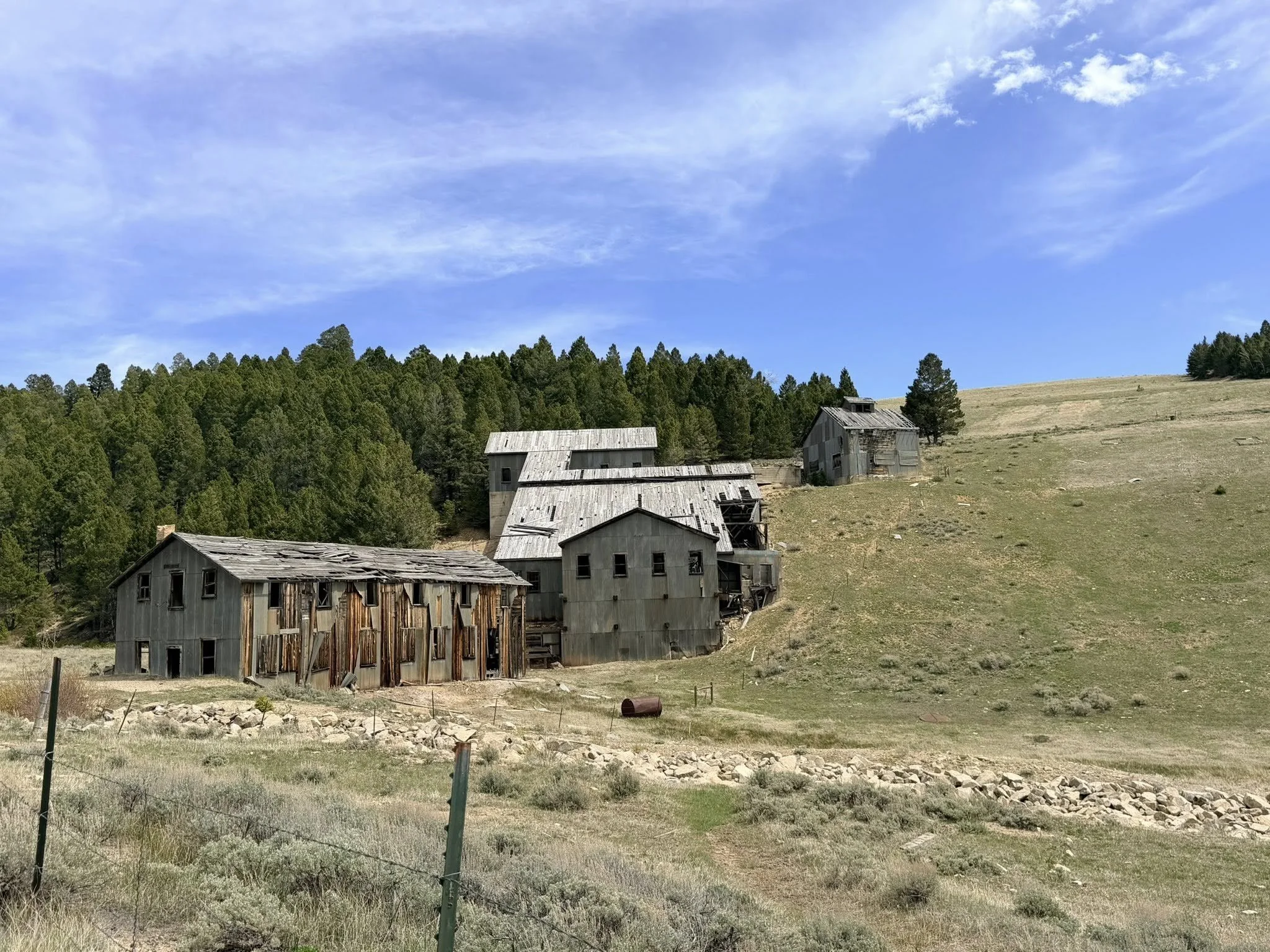
Third stop was Comet, and this one was probably my favorite place of the trip so far.
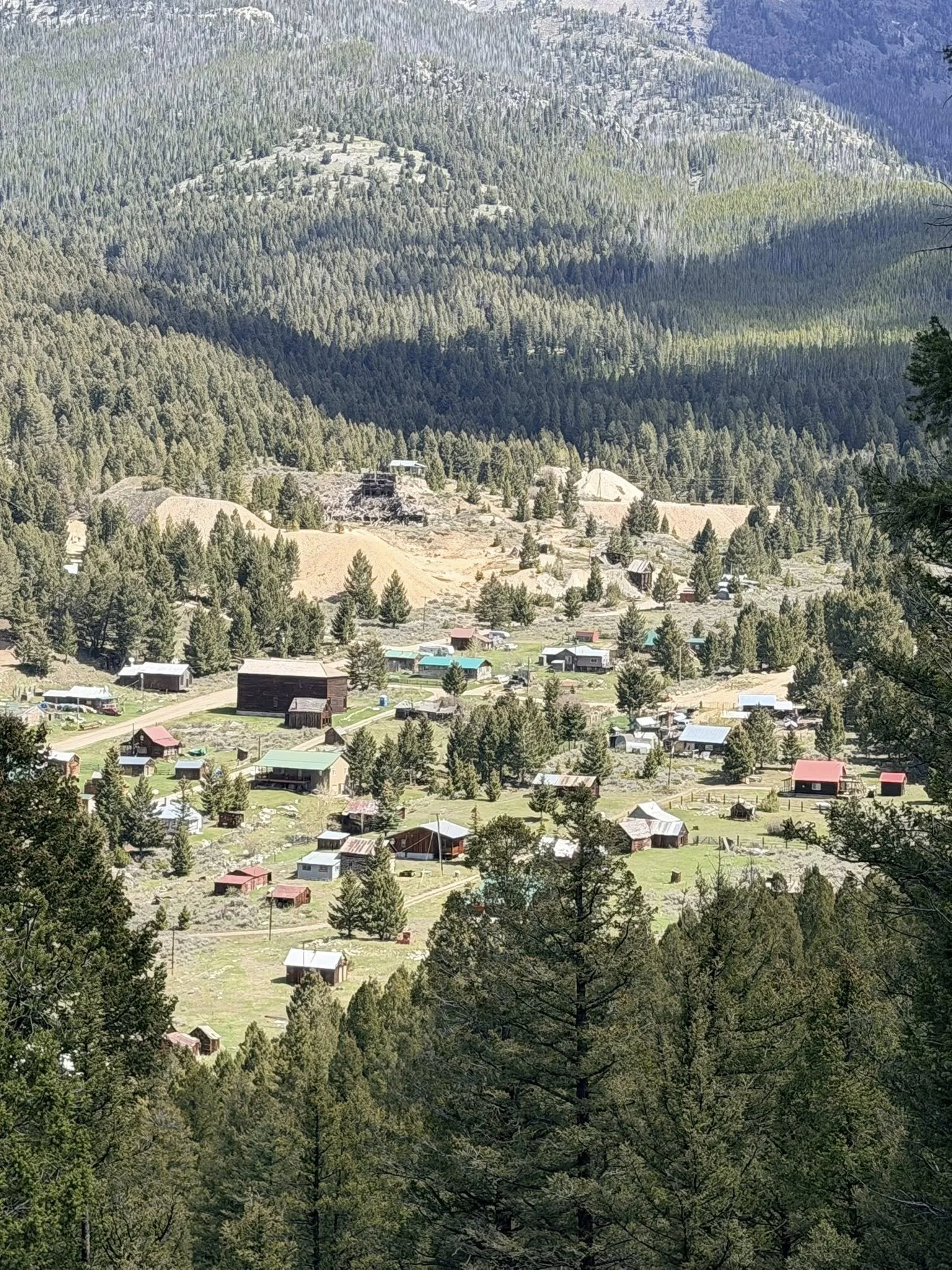
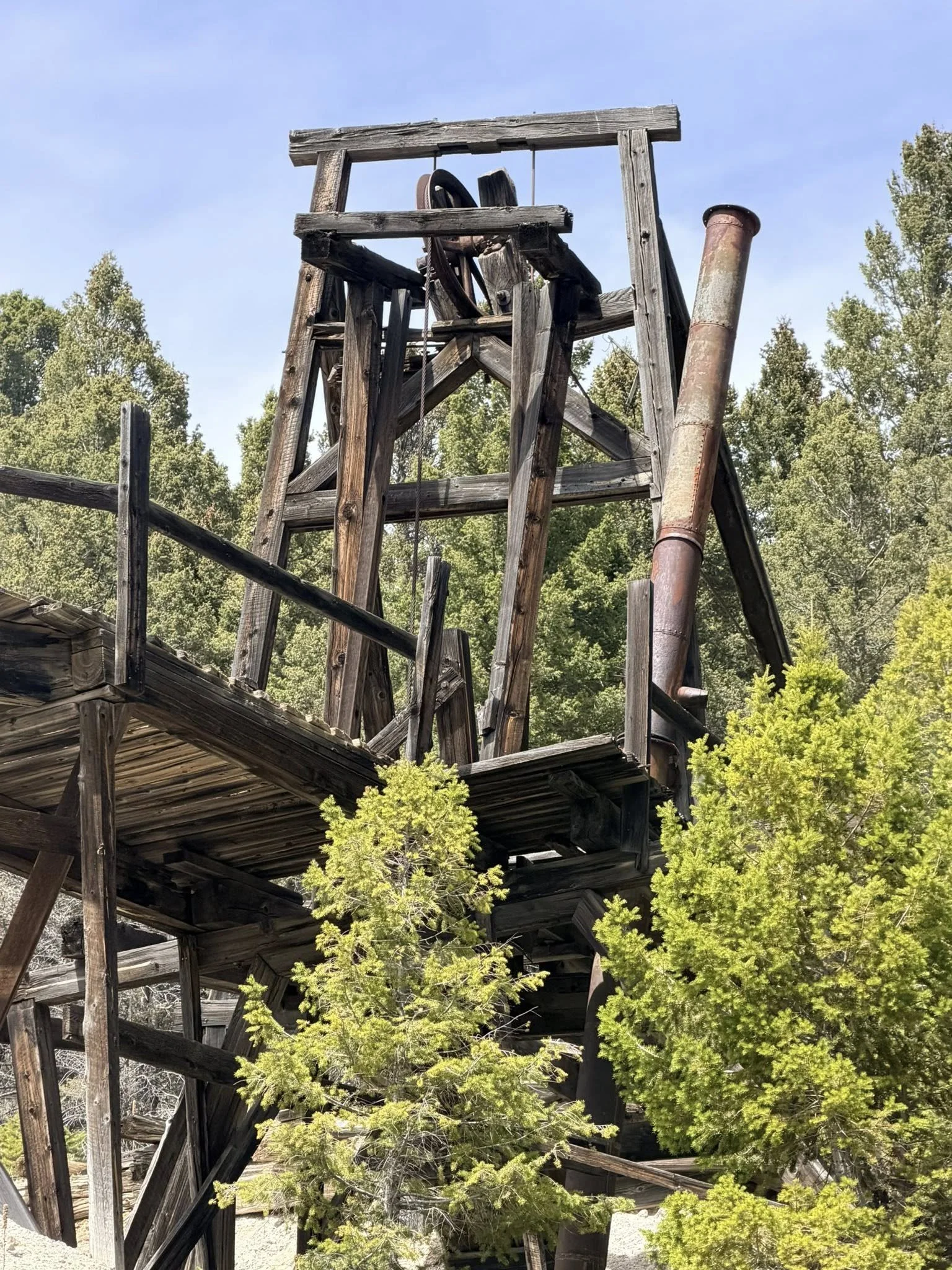
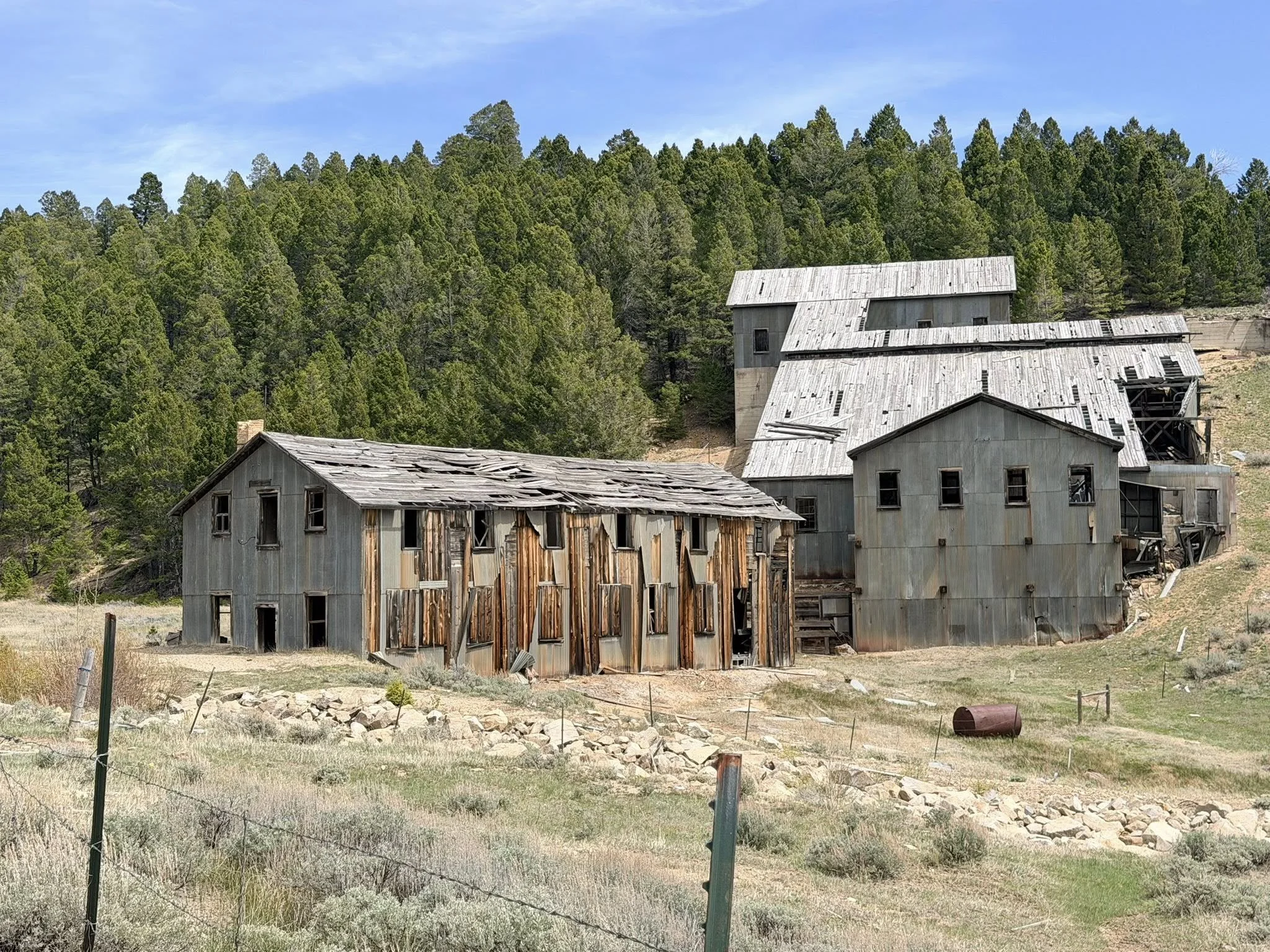
Comet was established in the late 1880s after rich deposits of gold, silver, lead, and copper were discovered in the area. Unlike some mining camps that barely lasted a few years, Comet became a substantial community with homes, businesses, schools, and a population that reached into the hundreds. The Comet Mine itself became one of the more productive mines in Montana, helping sustain the town well into the early 1900s.
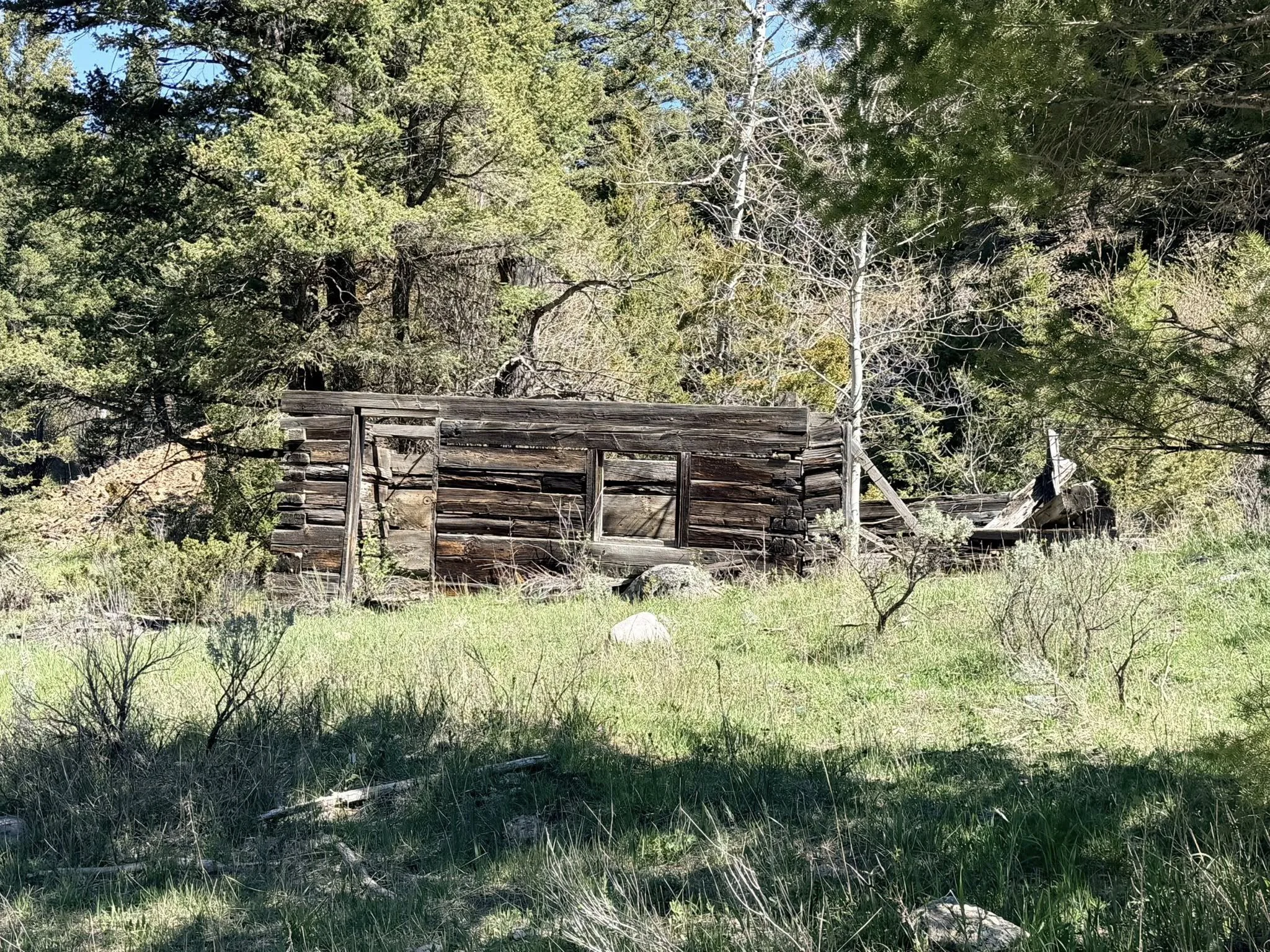
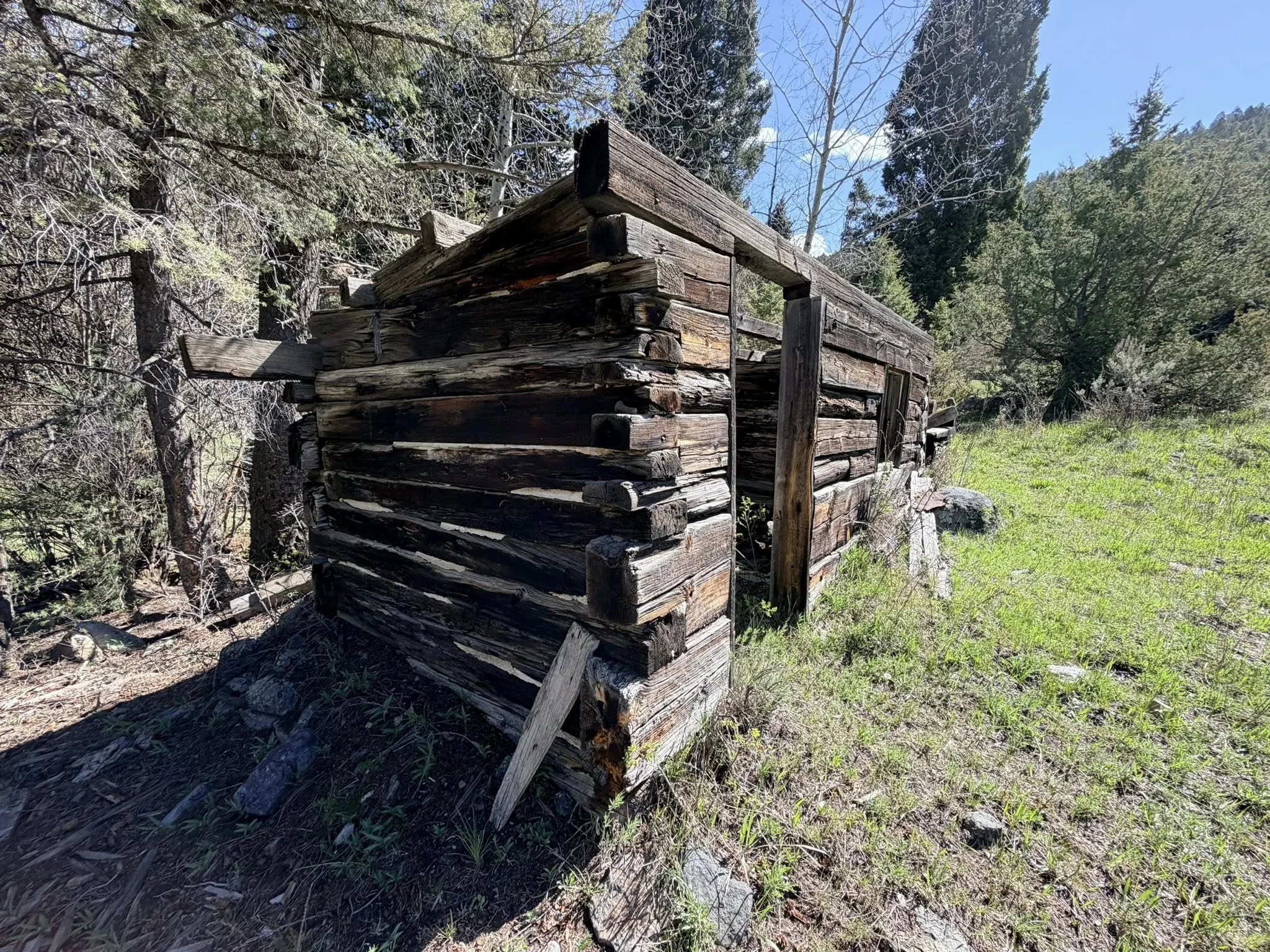
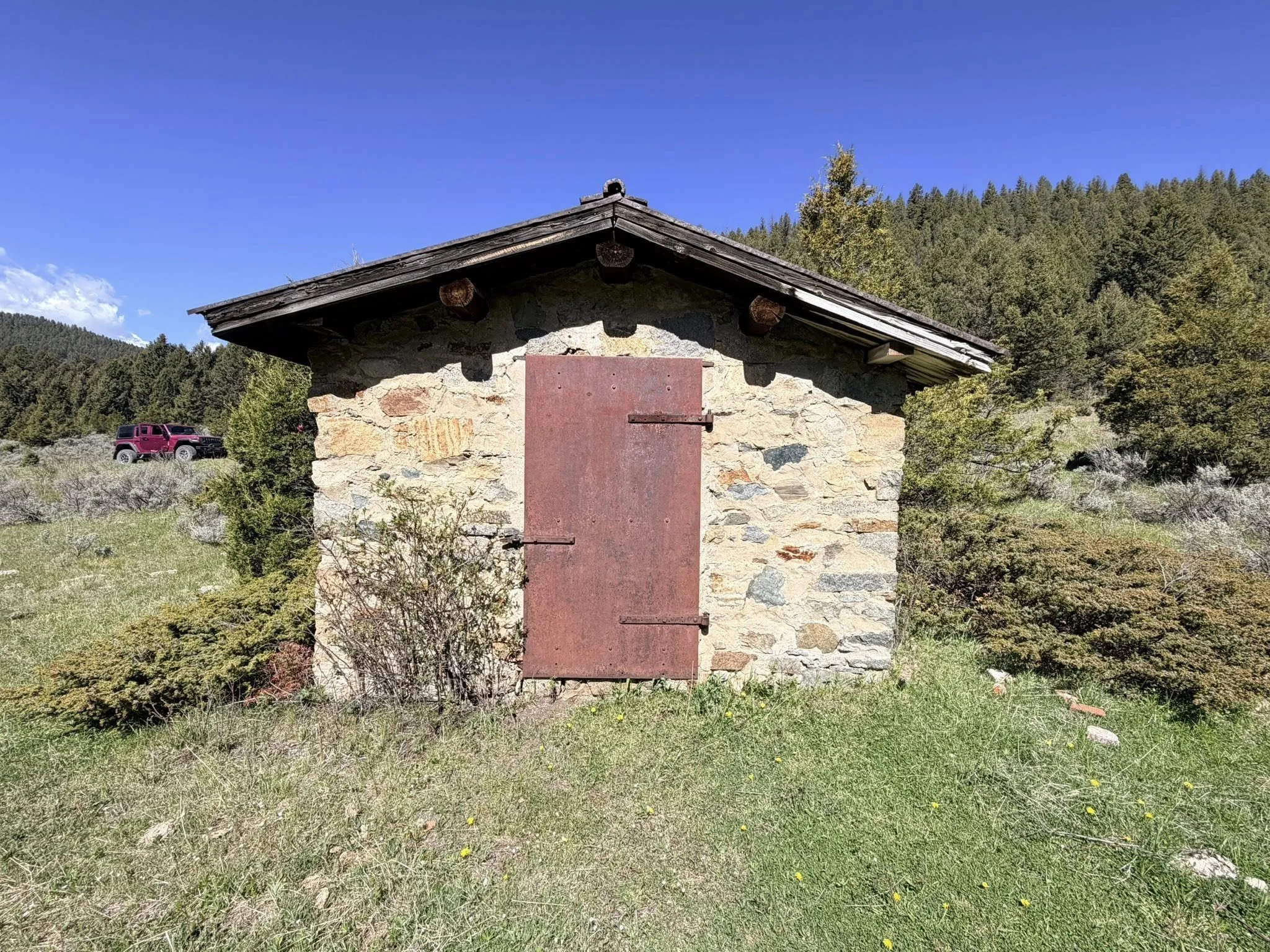
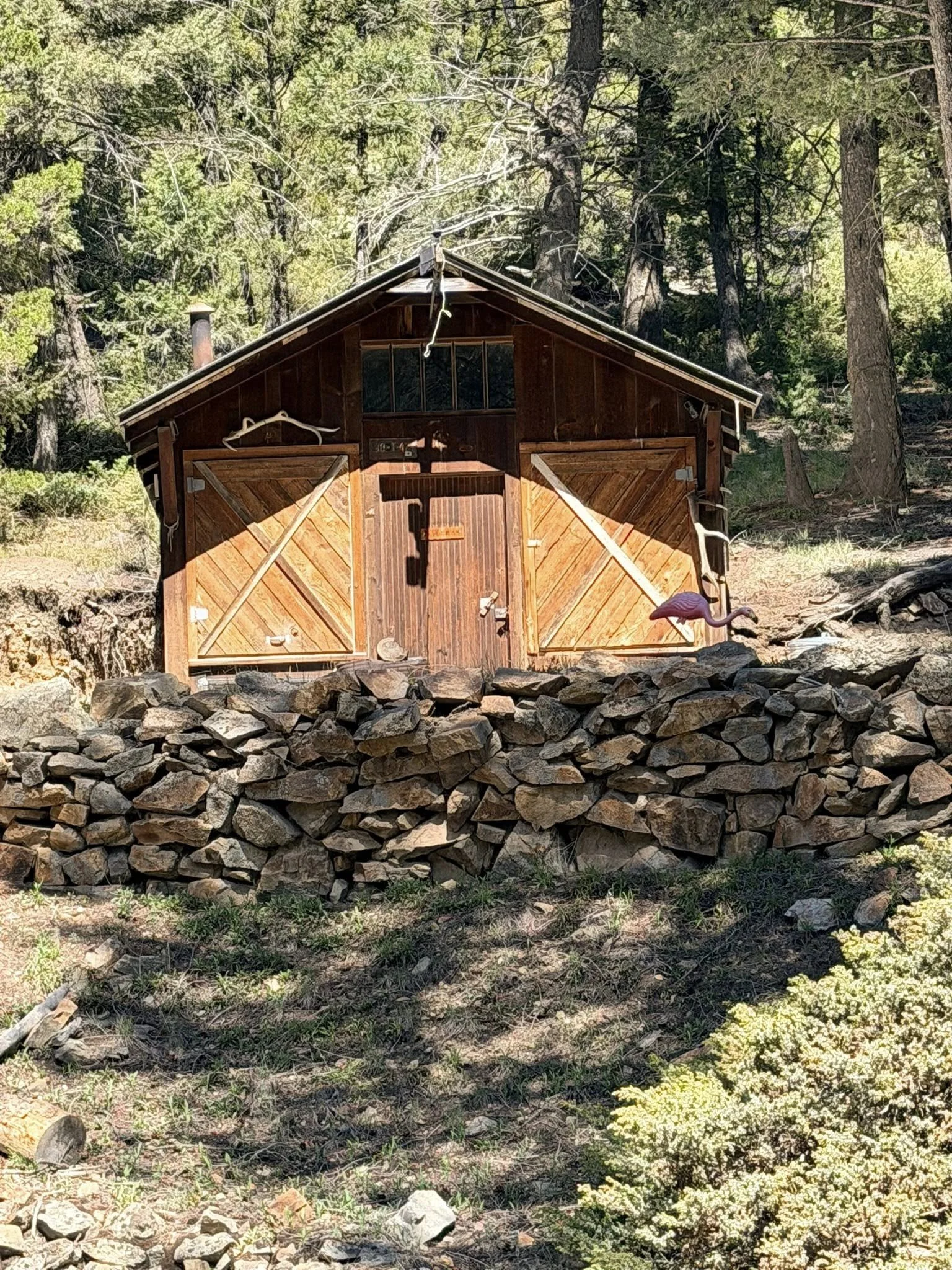
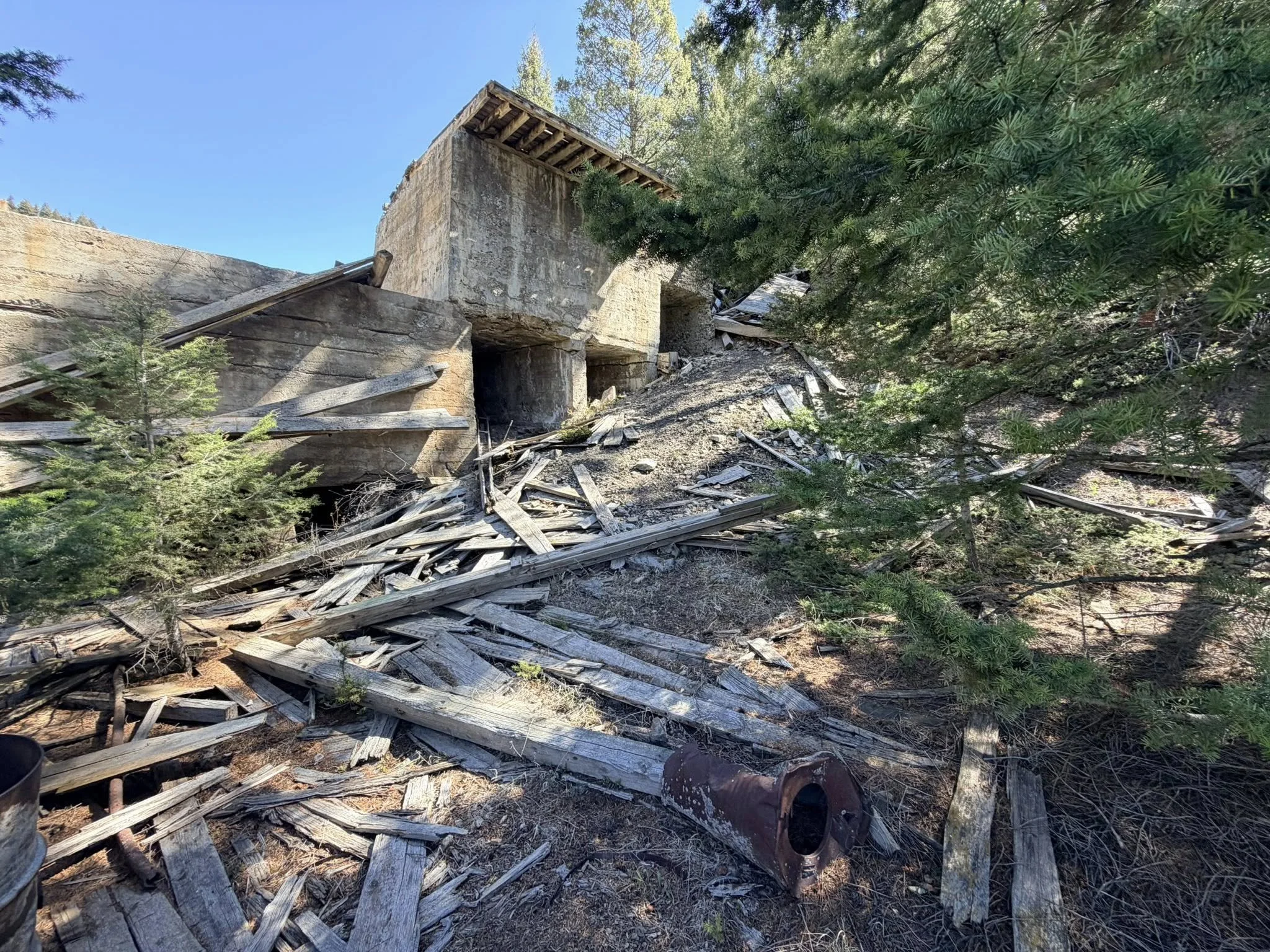
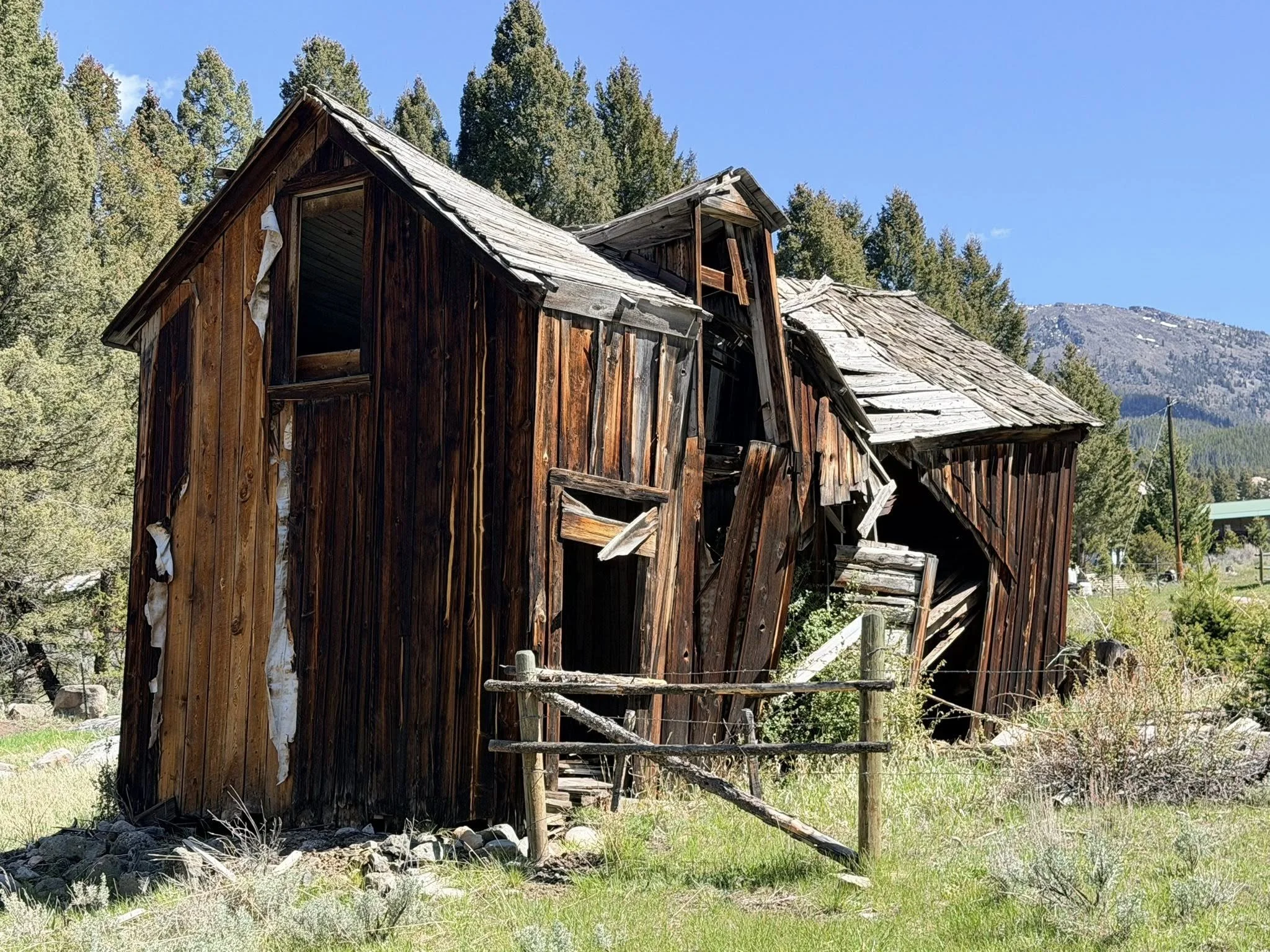
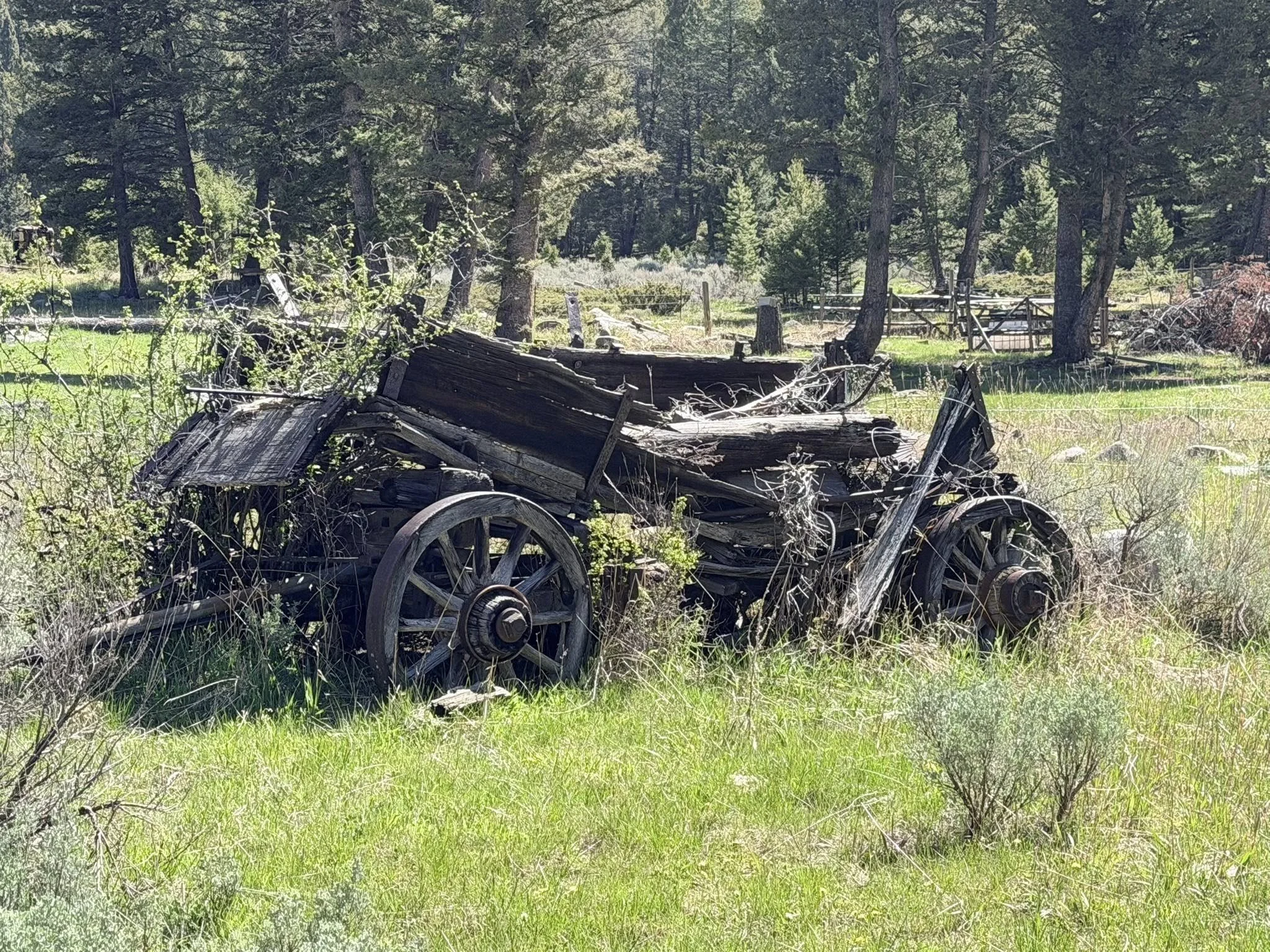
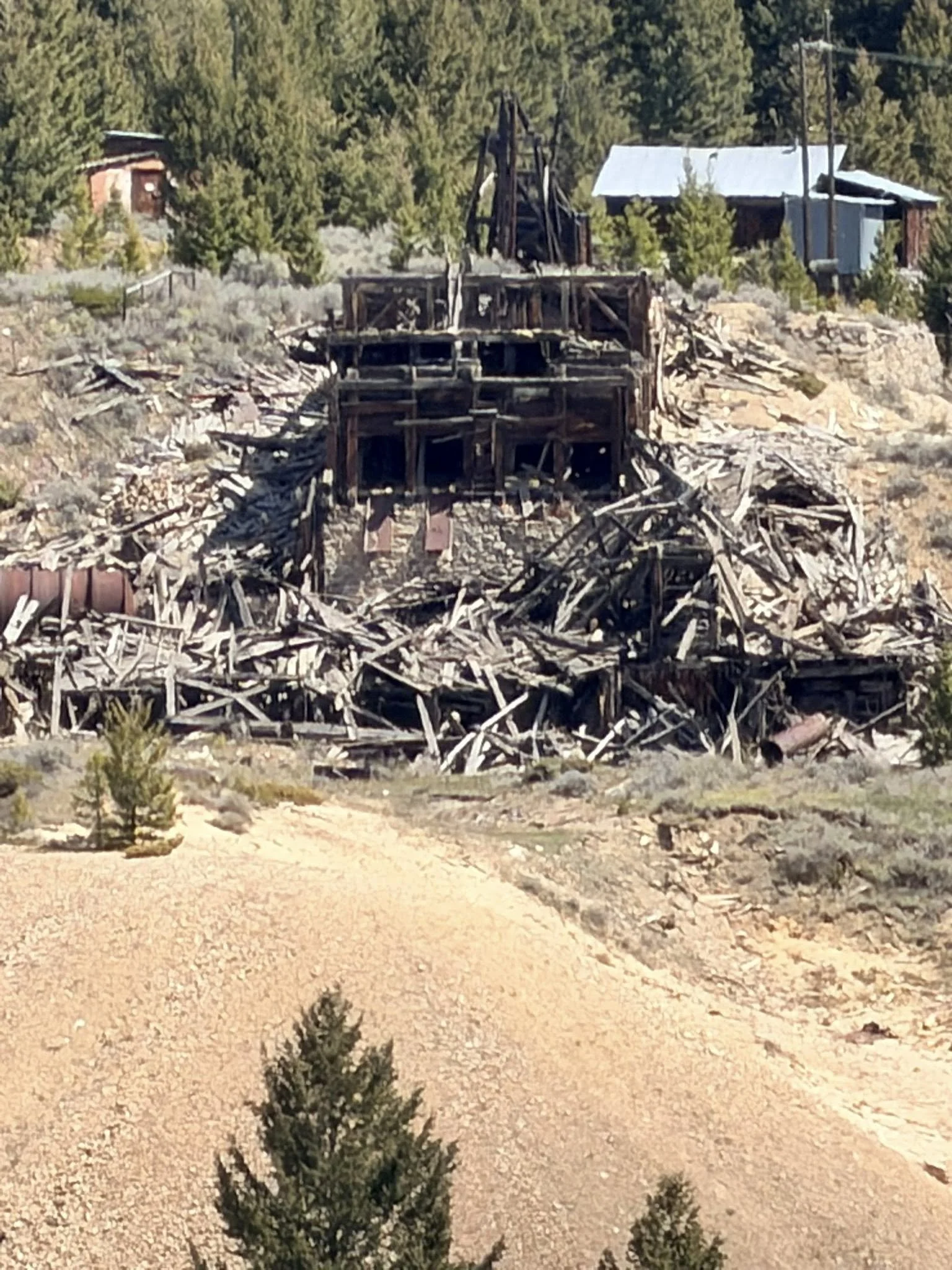
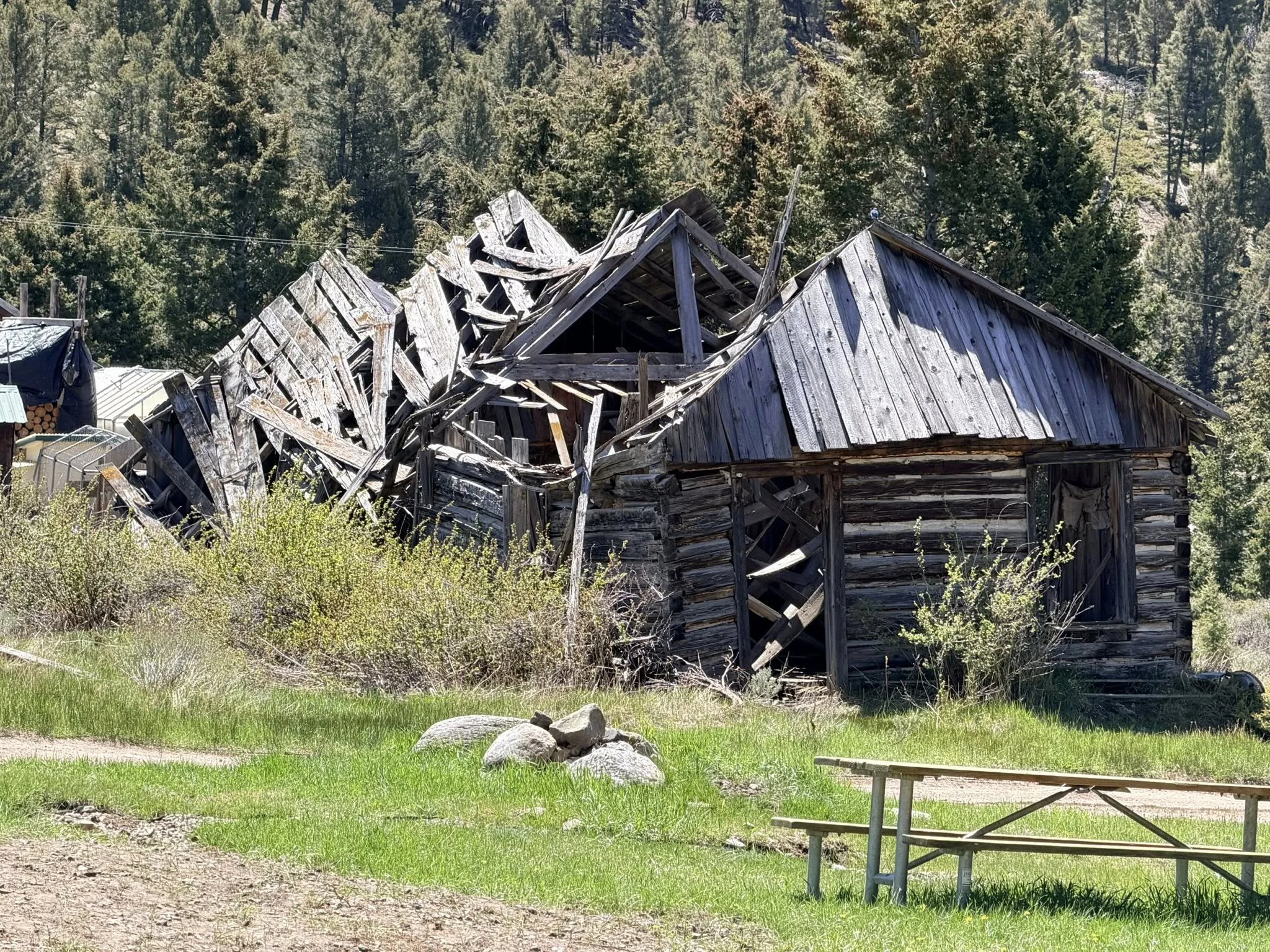
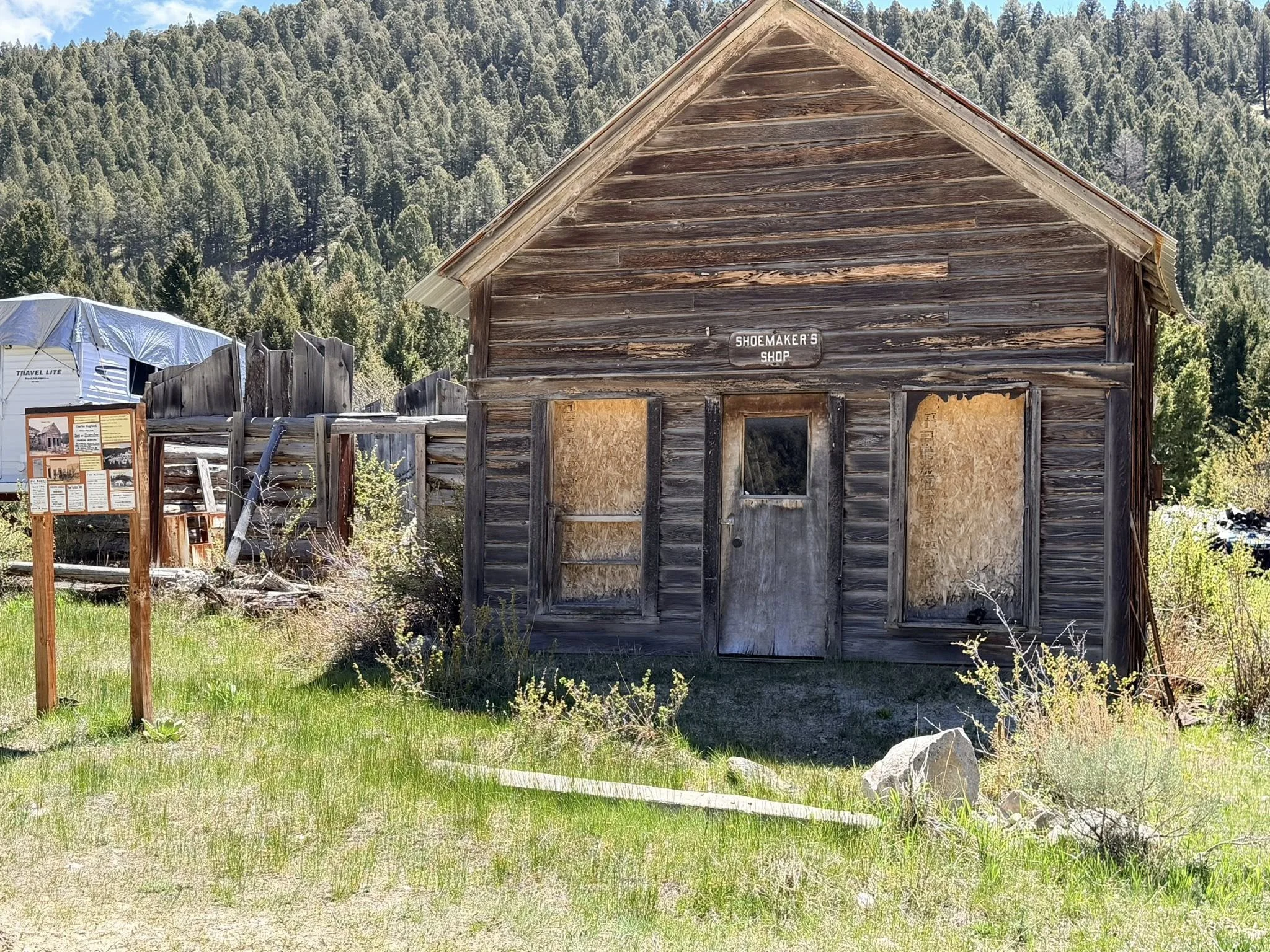
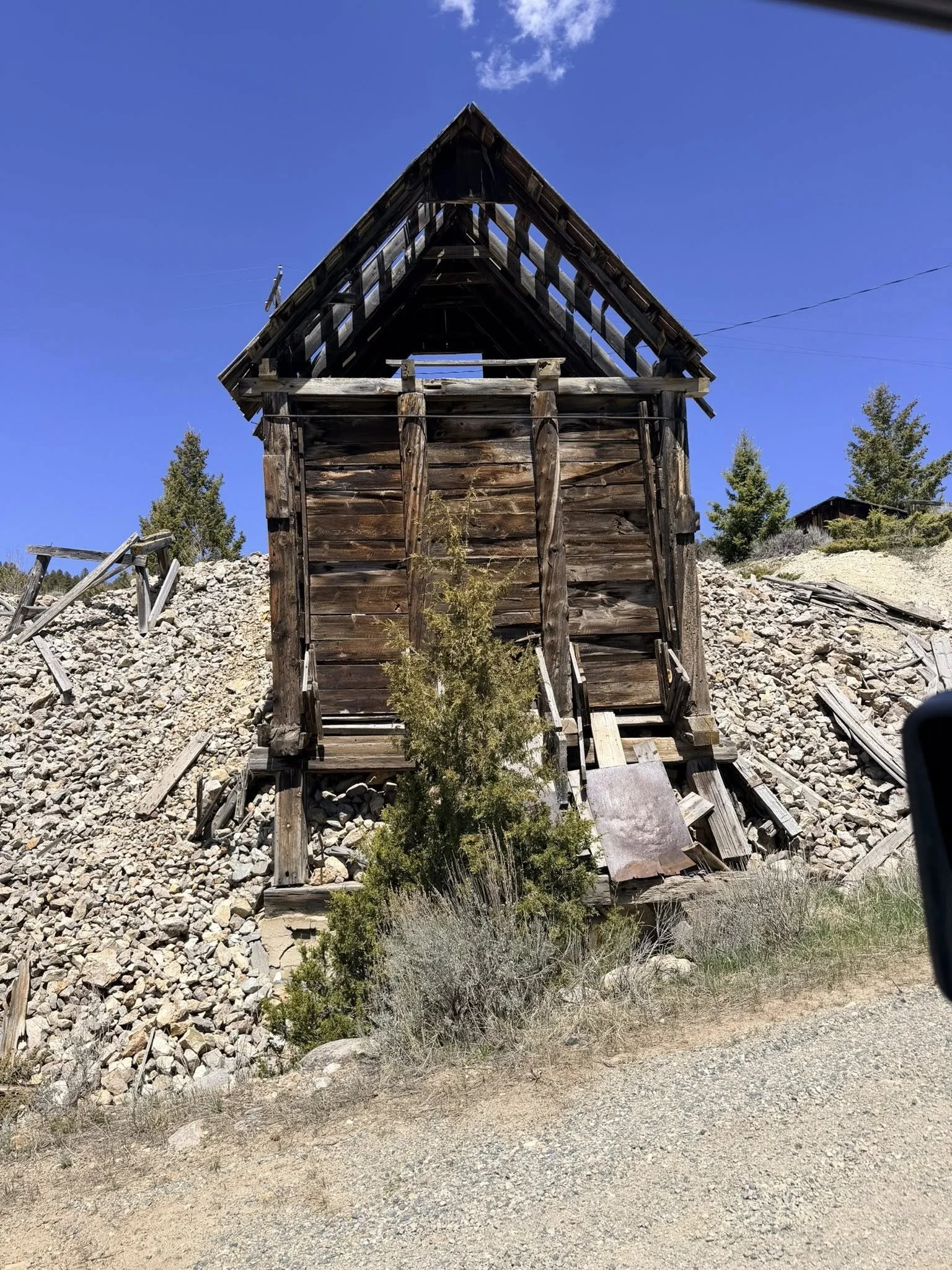
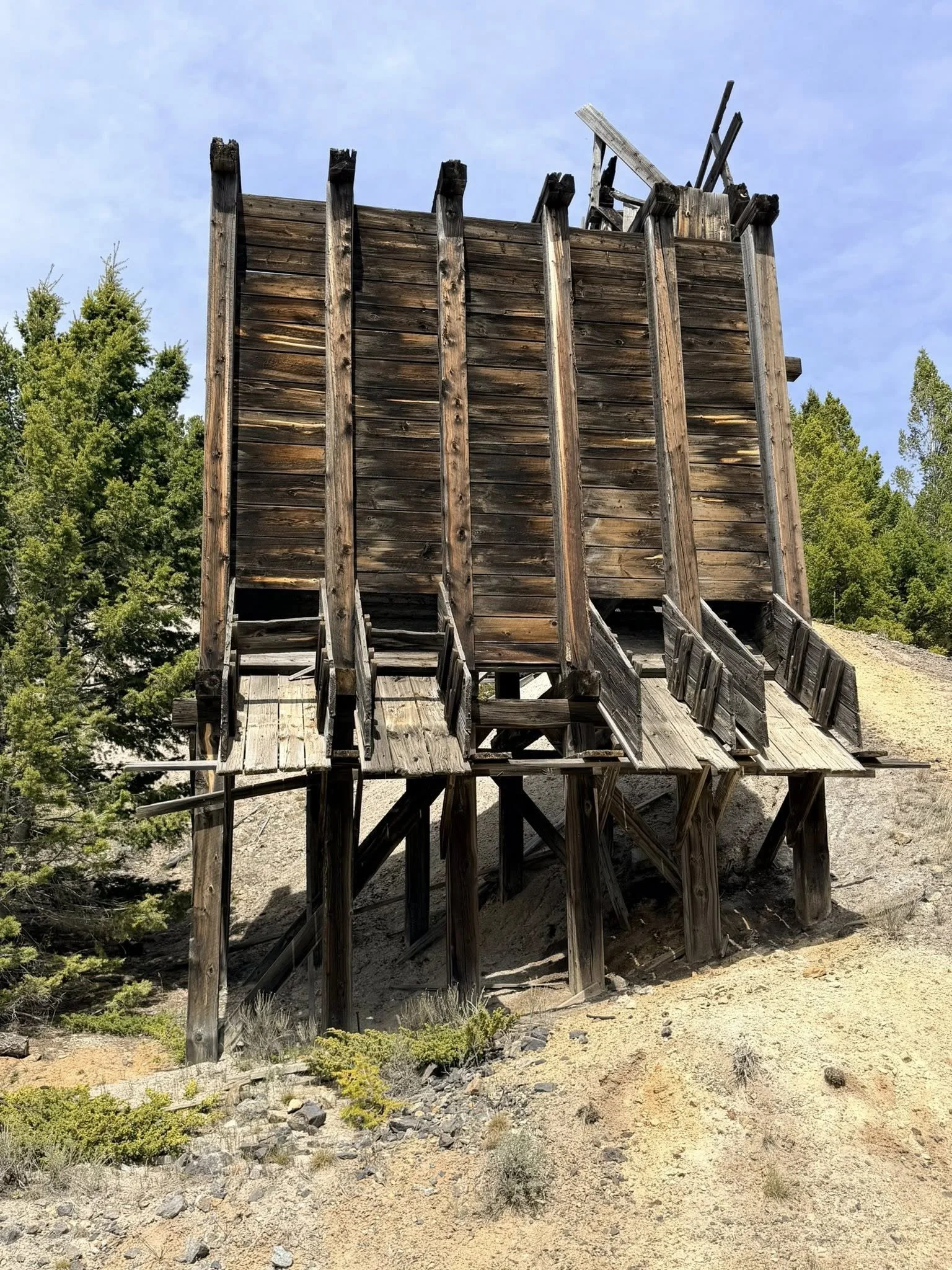
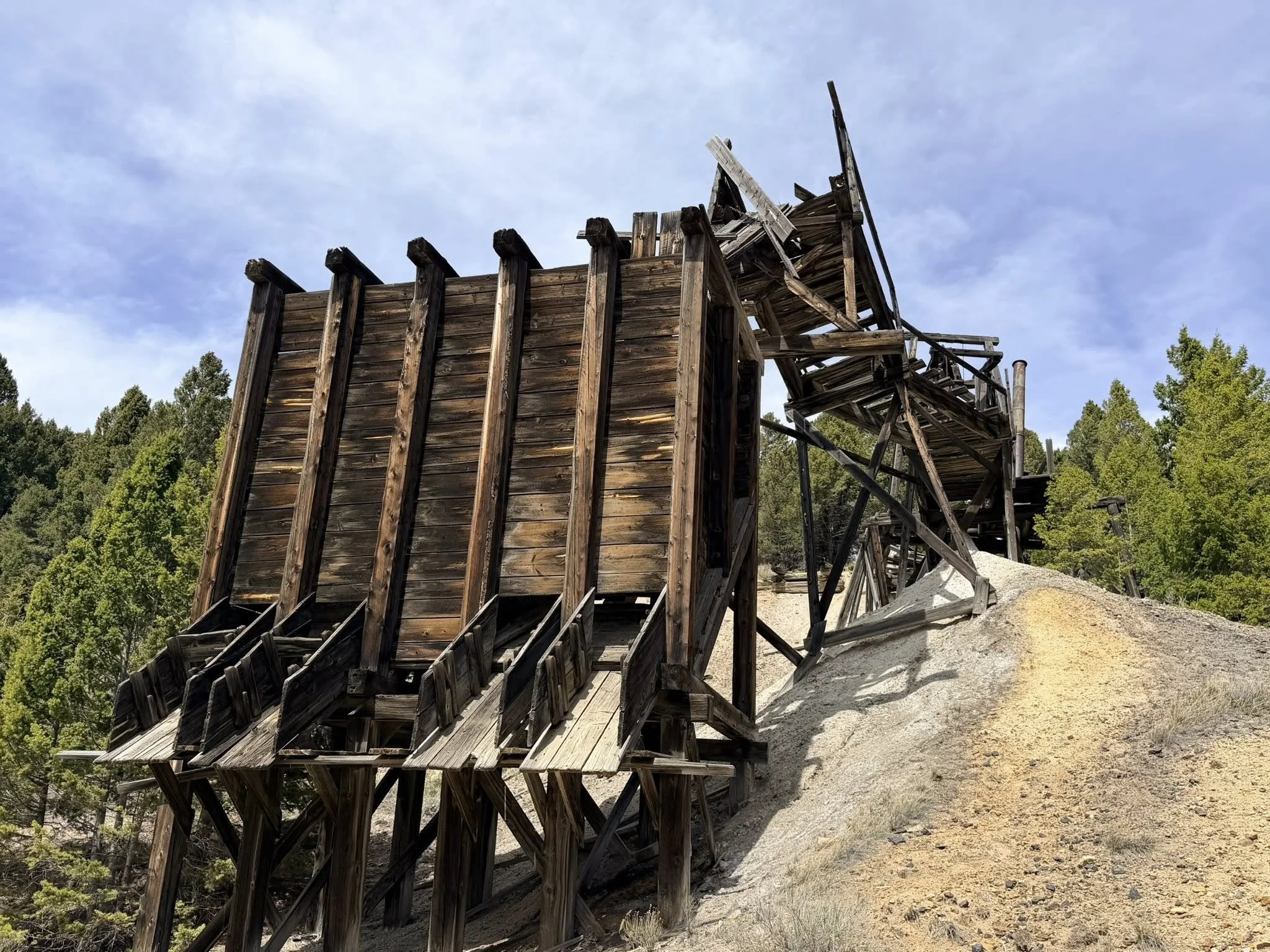
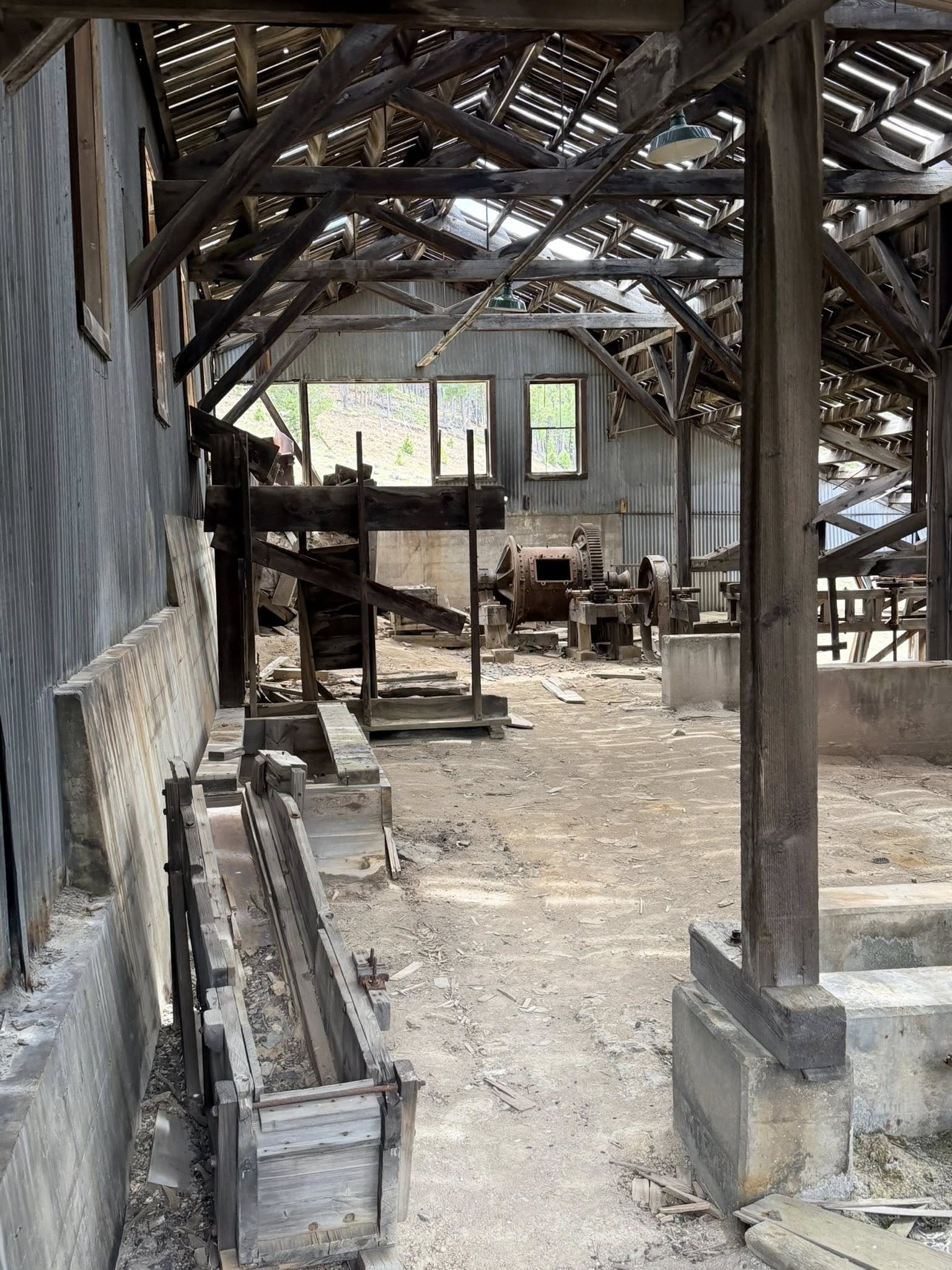
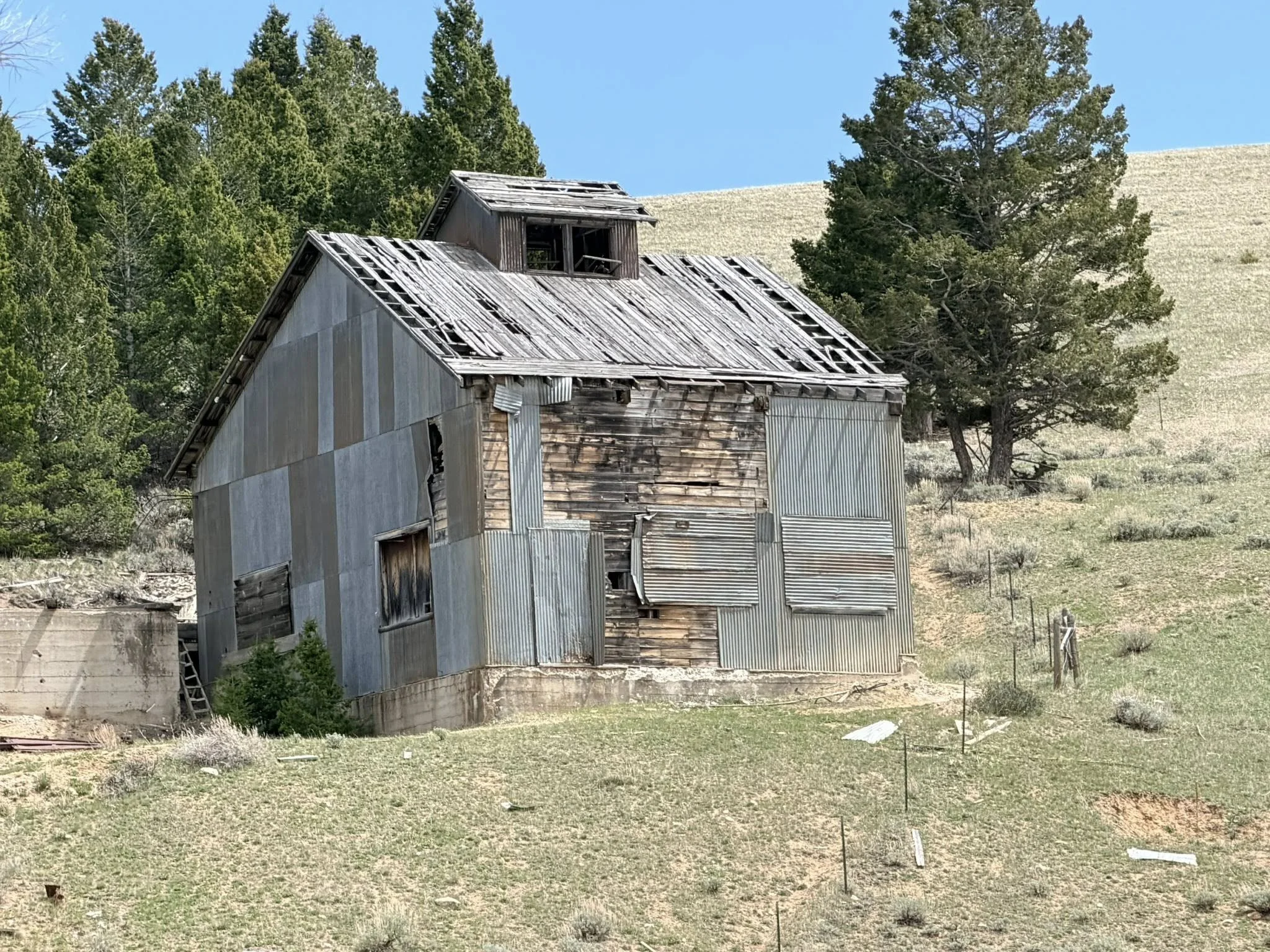
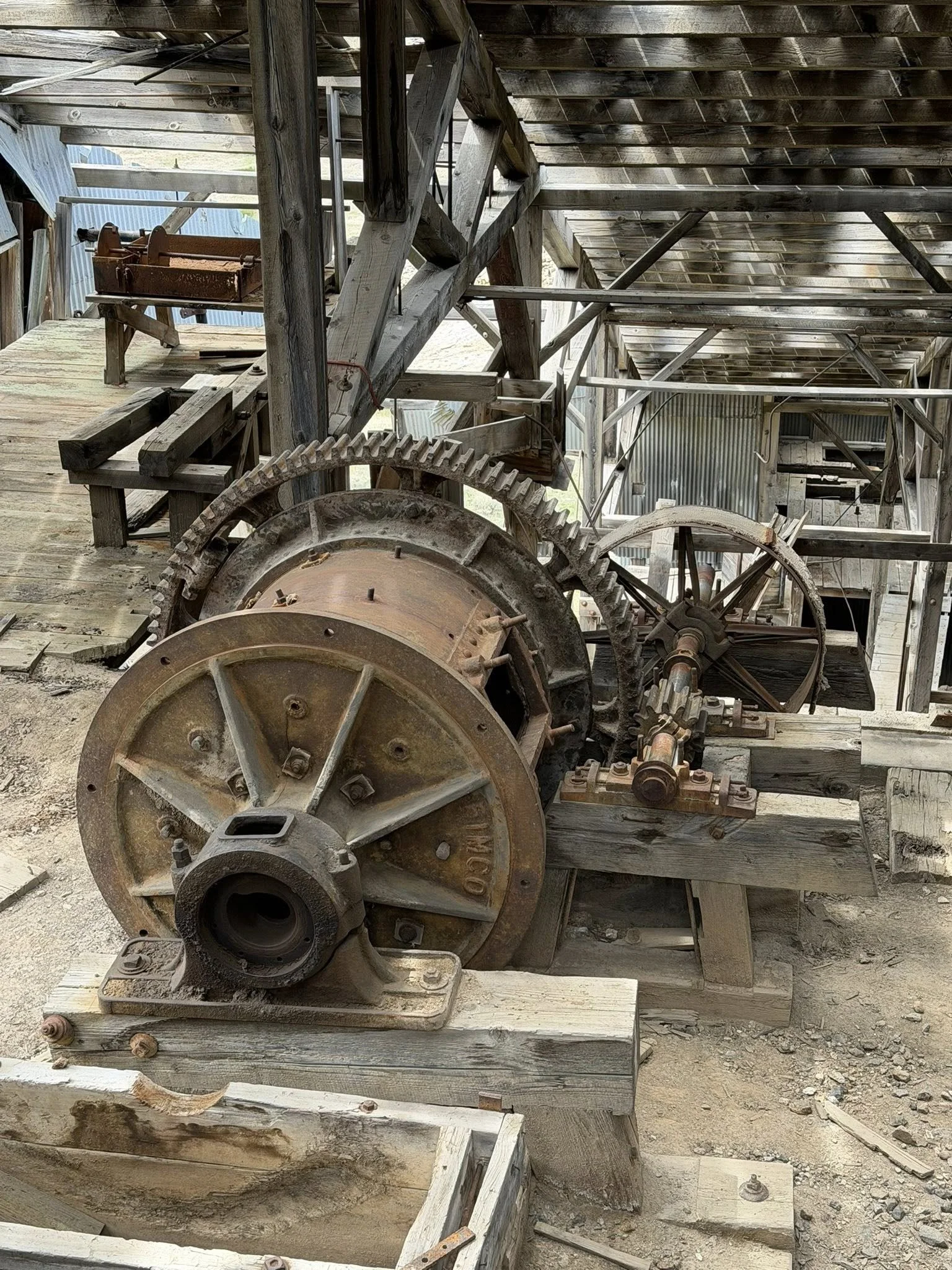
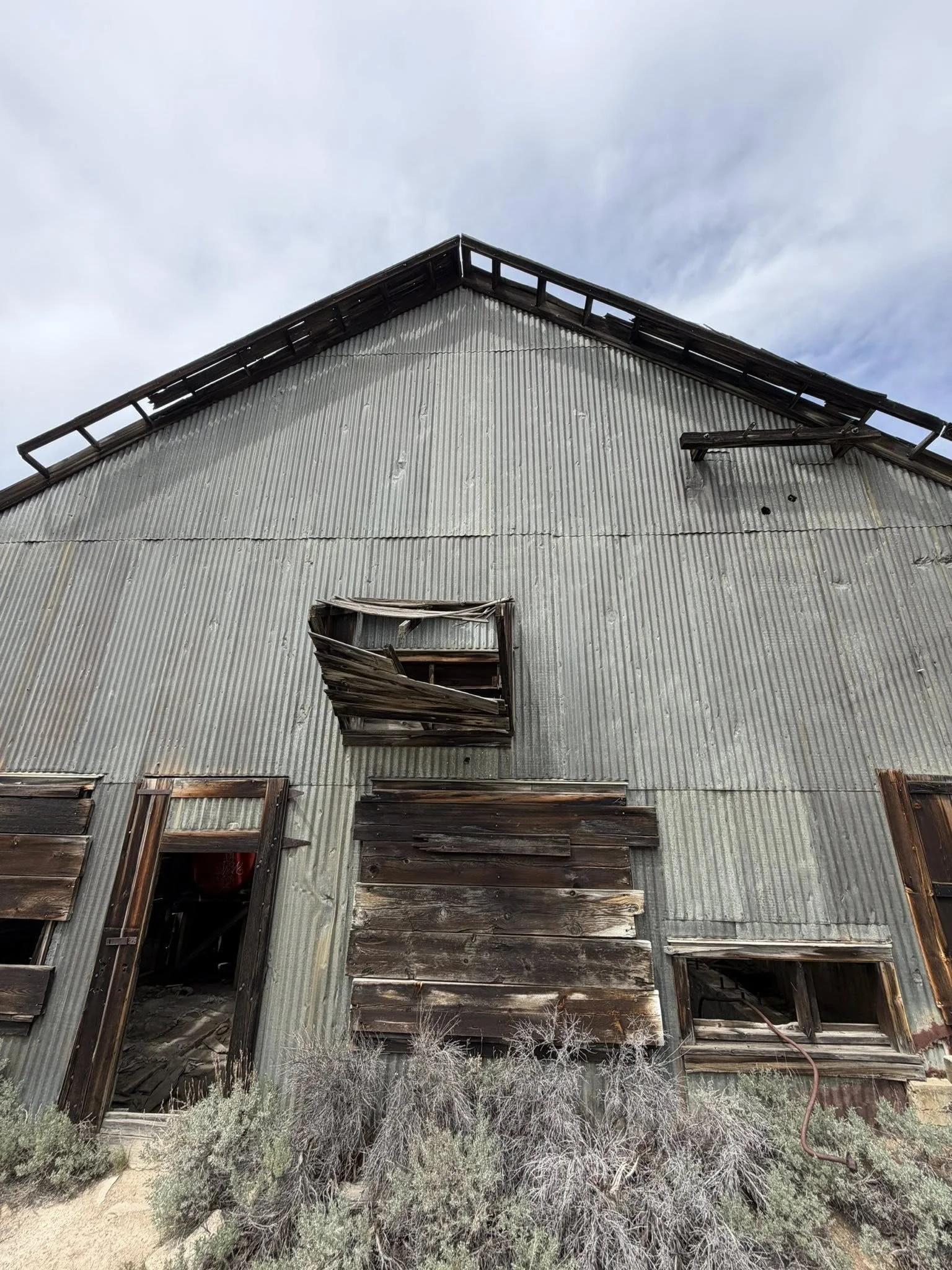
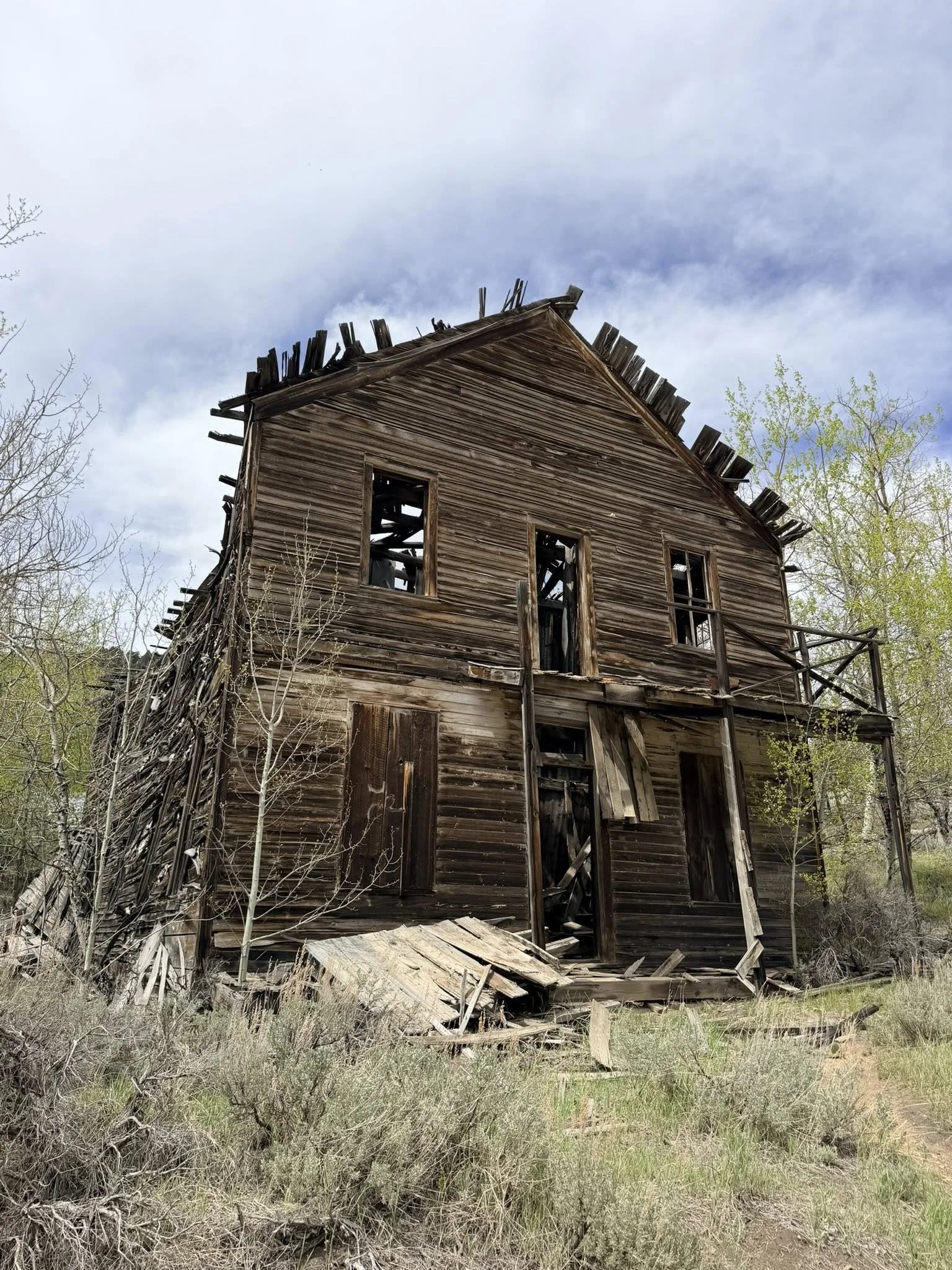
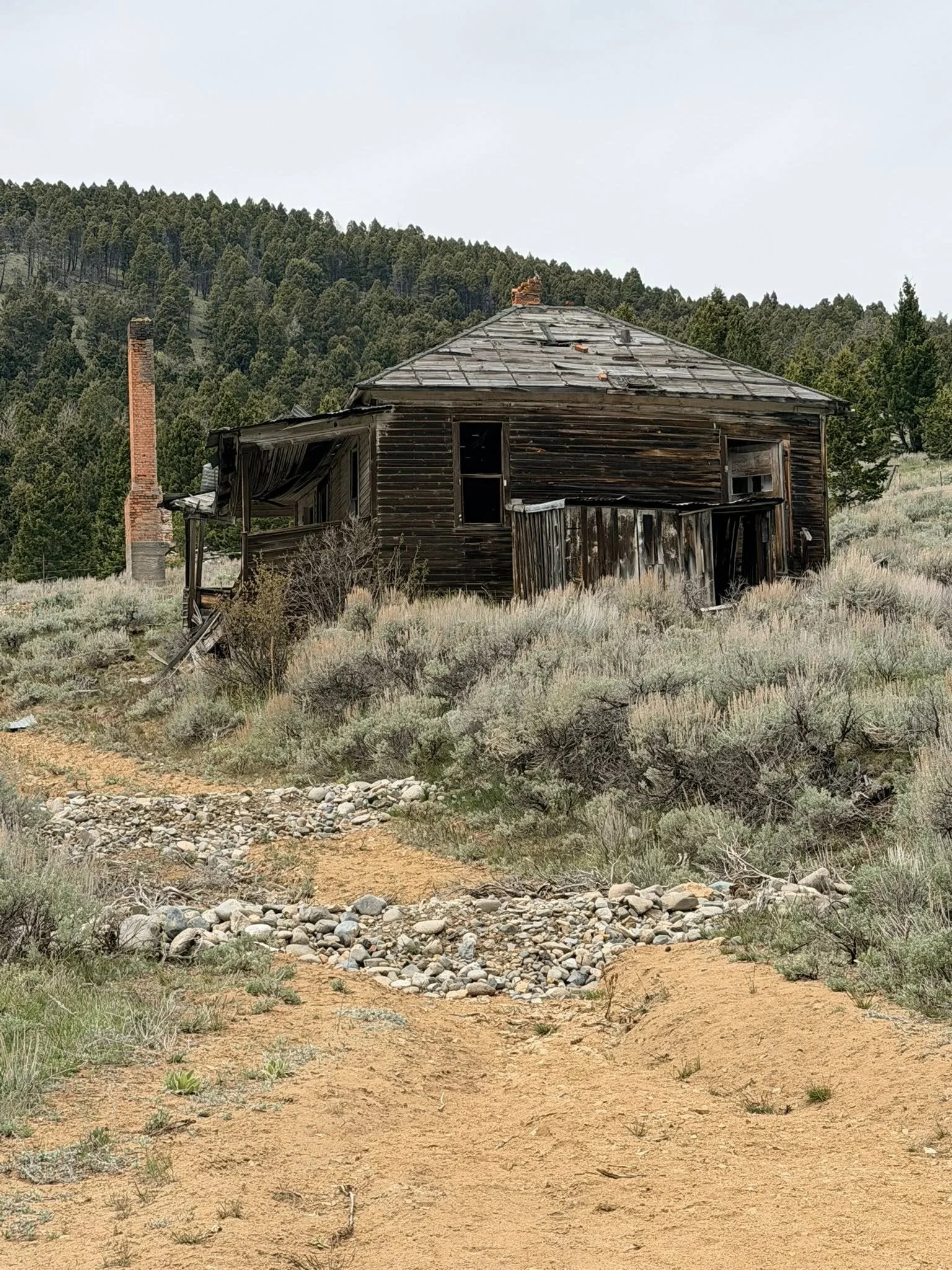
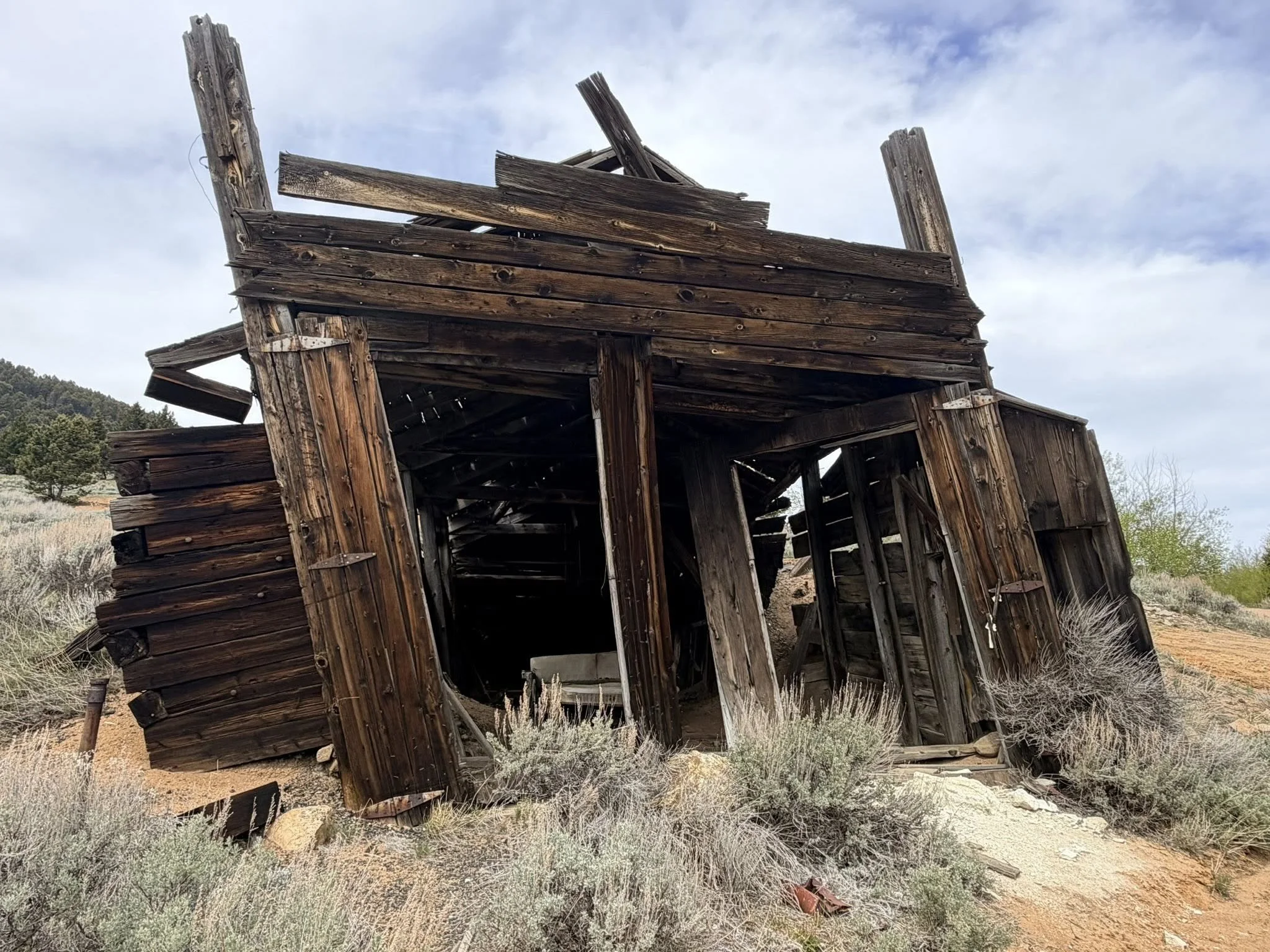
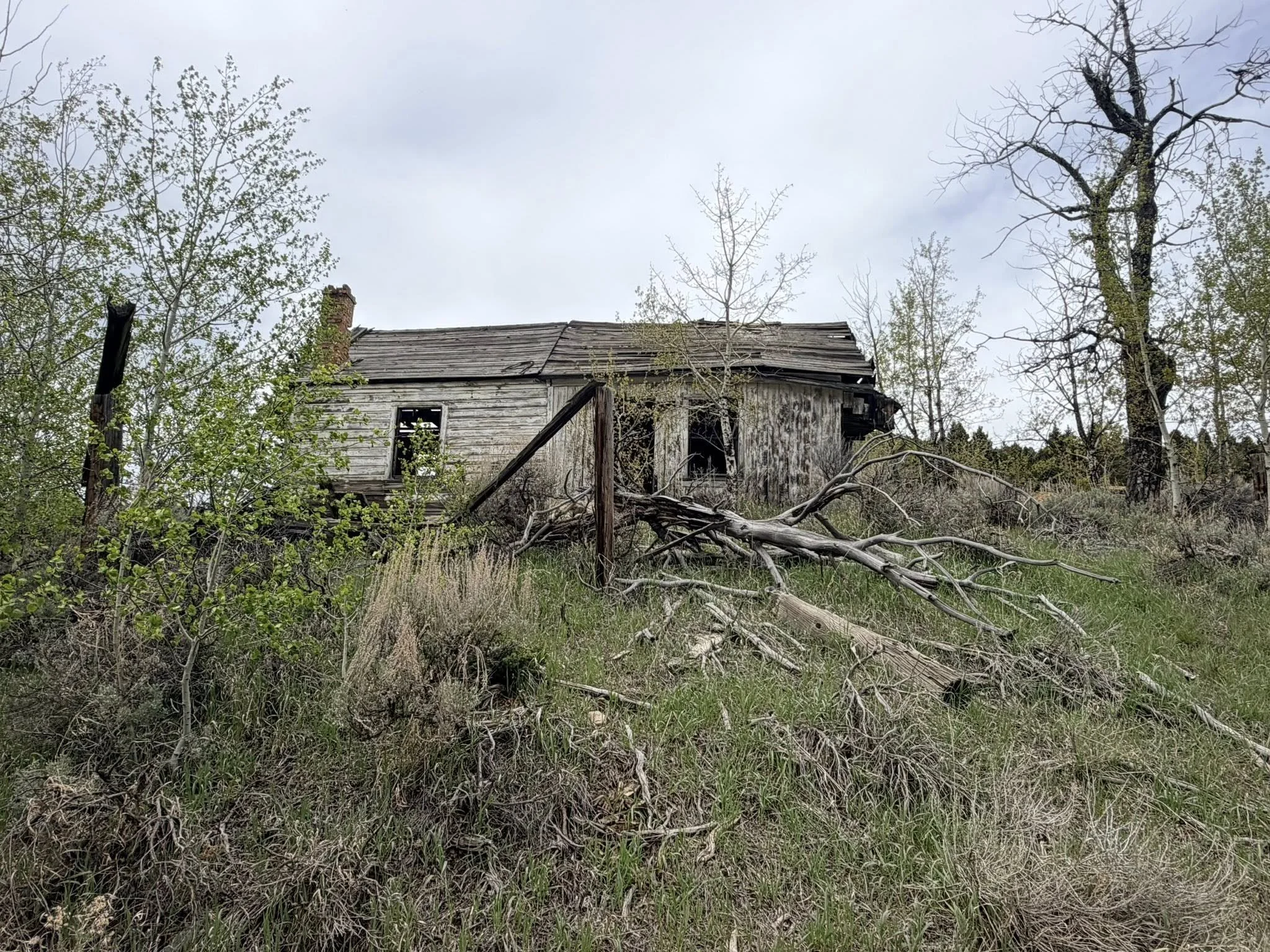
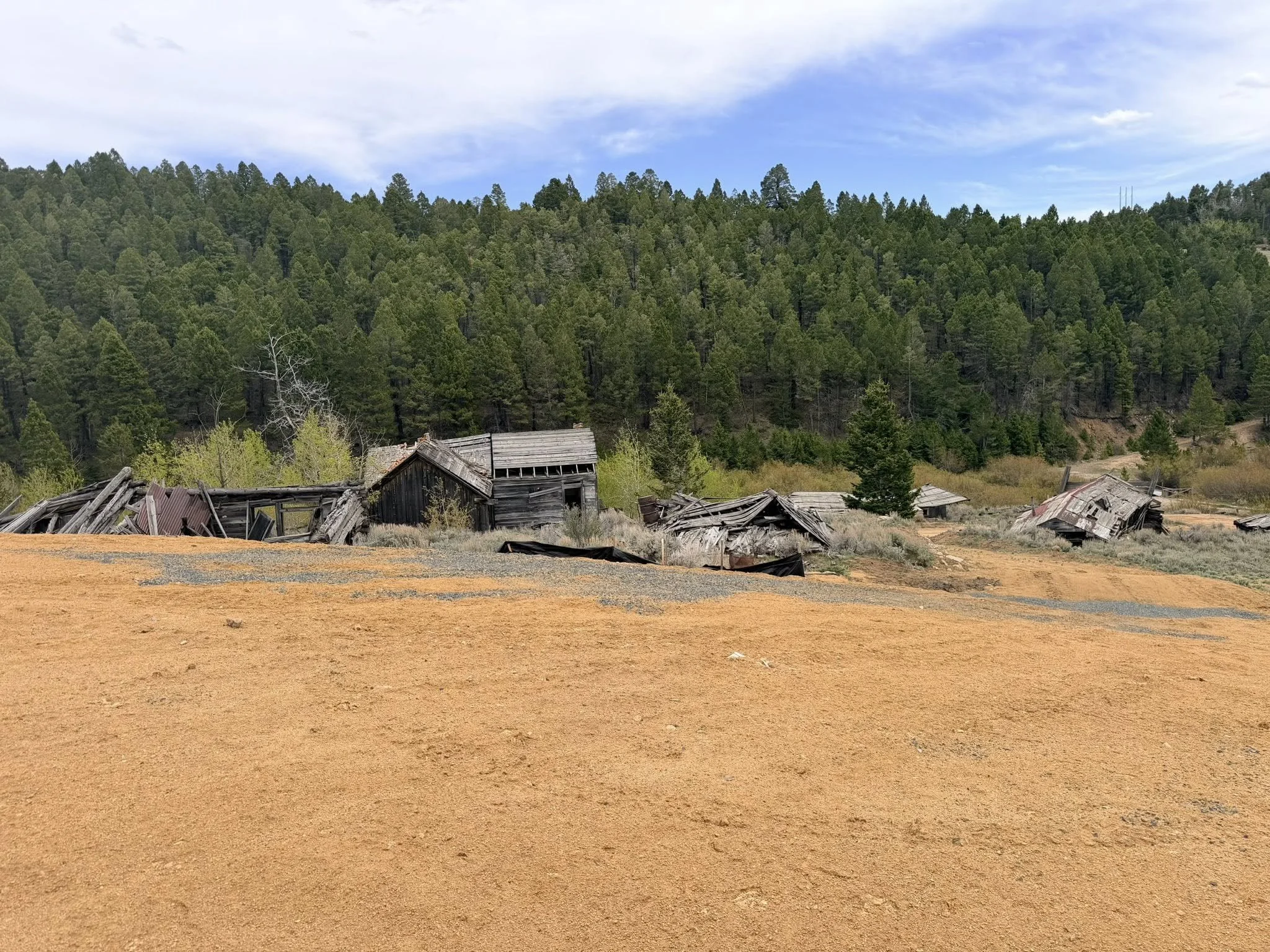
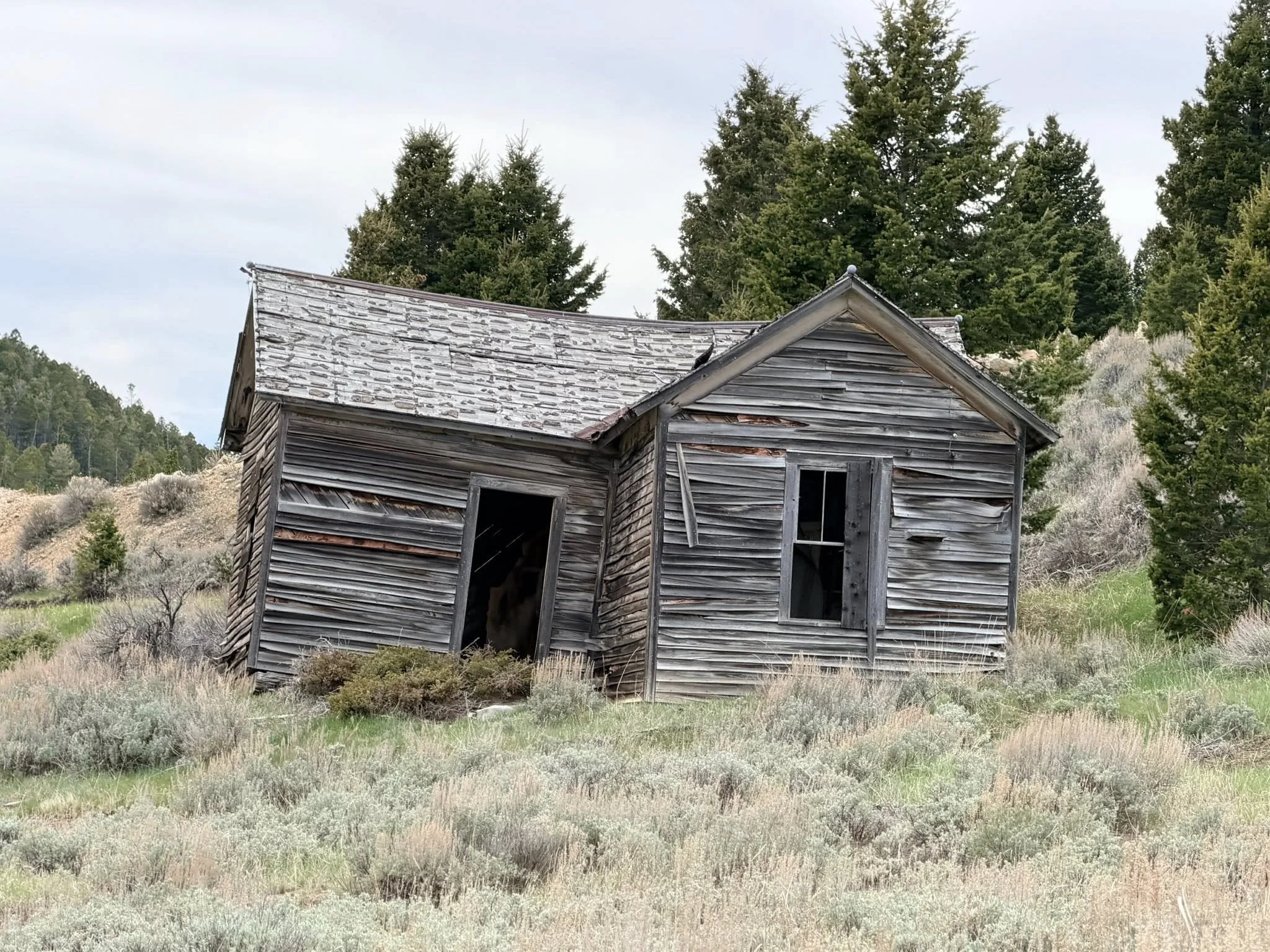
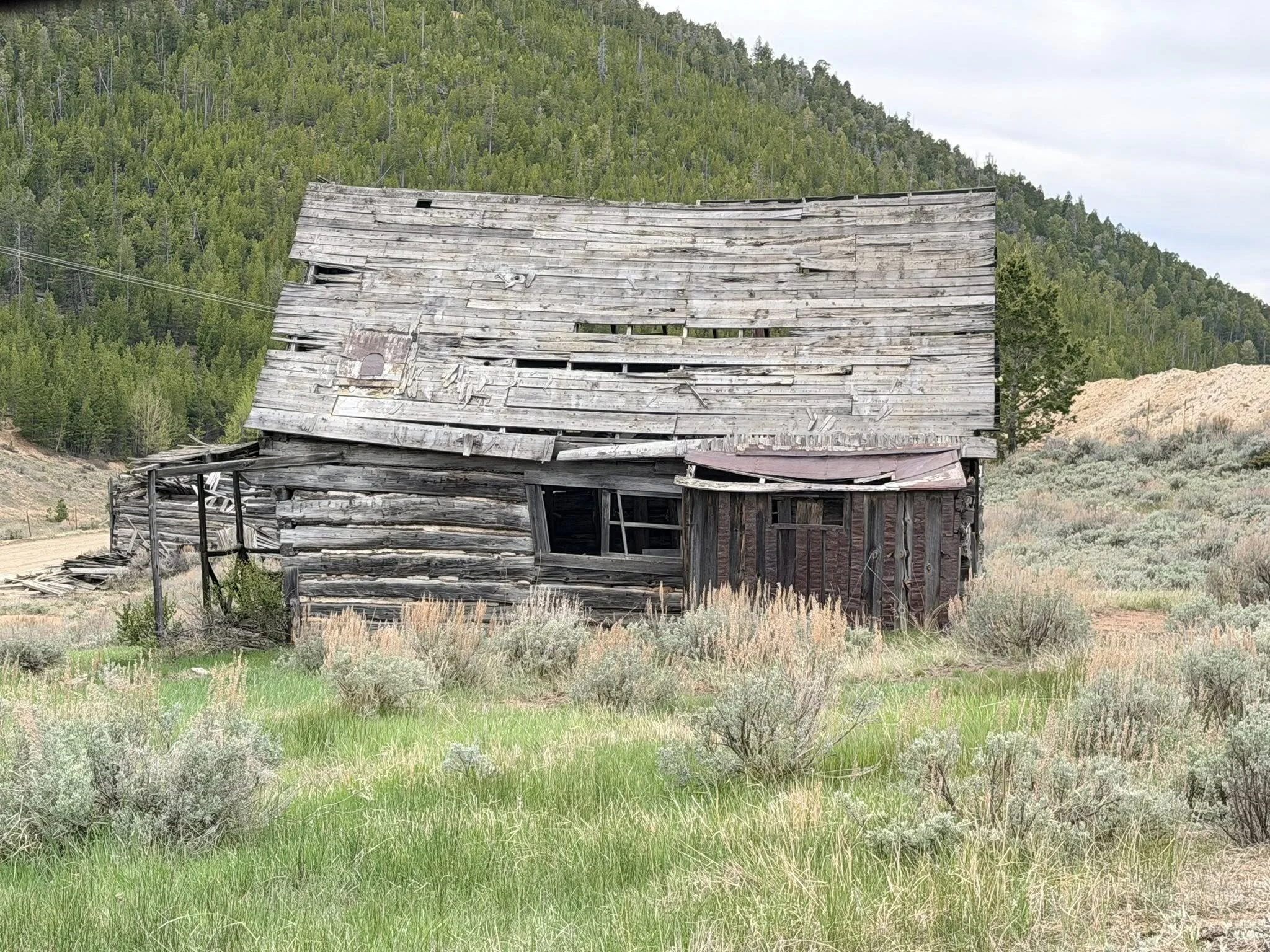
Unlike some of the restored ghost towns, Comet has mostly just been left alone. No polished displays. No gift shops selling "authentic ghost town magnets." Just old buildings, silence, rust, collapsing structures, and the weird feeling that everyone left five minutes before you got there.
What I loved most was that it feels authentic. Nature is slowly reclaiming the town, and every building seems to have a story. Looking around, it's easy to imagine miners heading to work, children running through the streets, and families trying to build lives in a place that existed solely because valuable rocks happened to be buried underground.
Our final stop of the day was Bozeman. Today it's one of Montana's fastest-growing cities, but it started as a small settlement founded in 1864 by John Bozeman, who helped establish the Bozeman Trail. The trail connected emigrants to Montana's gold fields and played a major role in opening the region to settlement, although not without significant conflict with Native American tribes who already called the area home.
Walking historic Main Street, you can still see pieces of old Bozeman mixed in with the restaurants, shops, and businesses that fill the city today. It's one of those places that has managed to grow without completely losing sight of its history.
We ended the night with good food, cold drinks, and the comfort of being surrounded by living souls again after spending the day wandering cemeteries and abandoned mining towns like the emotionally stable adults we are.
At this point, Montana had fully established a pattern: every day included incredible scenery, fascinating history, at least one cemetery, and several reminders that life in the 1800s was significantly harder than any of us would probably like to admit.