Bannack State Park: Where the Old West Still Feels Alive
There are places that feel abandoned.
Bannack feels paused.
Like the people who lived there simply walked away one day and never came back. Like the buildings are still waiting for someone to return from the mines, light the stove, water the horses, or stumble out of the saloon after making at least three terrible life choices.
The road into Bannack winds through a valley that somehow still feels isolated even today. The mountains surround the town almost protectively, and as you get closer the modern world slowly disappears behind you. The noise fades. The traffic disappears. Even people start talking quieter, like instinctively they know this place deserves respect.
Then suddenly, there it is.
An entire town sitting in silence.
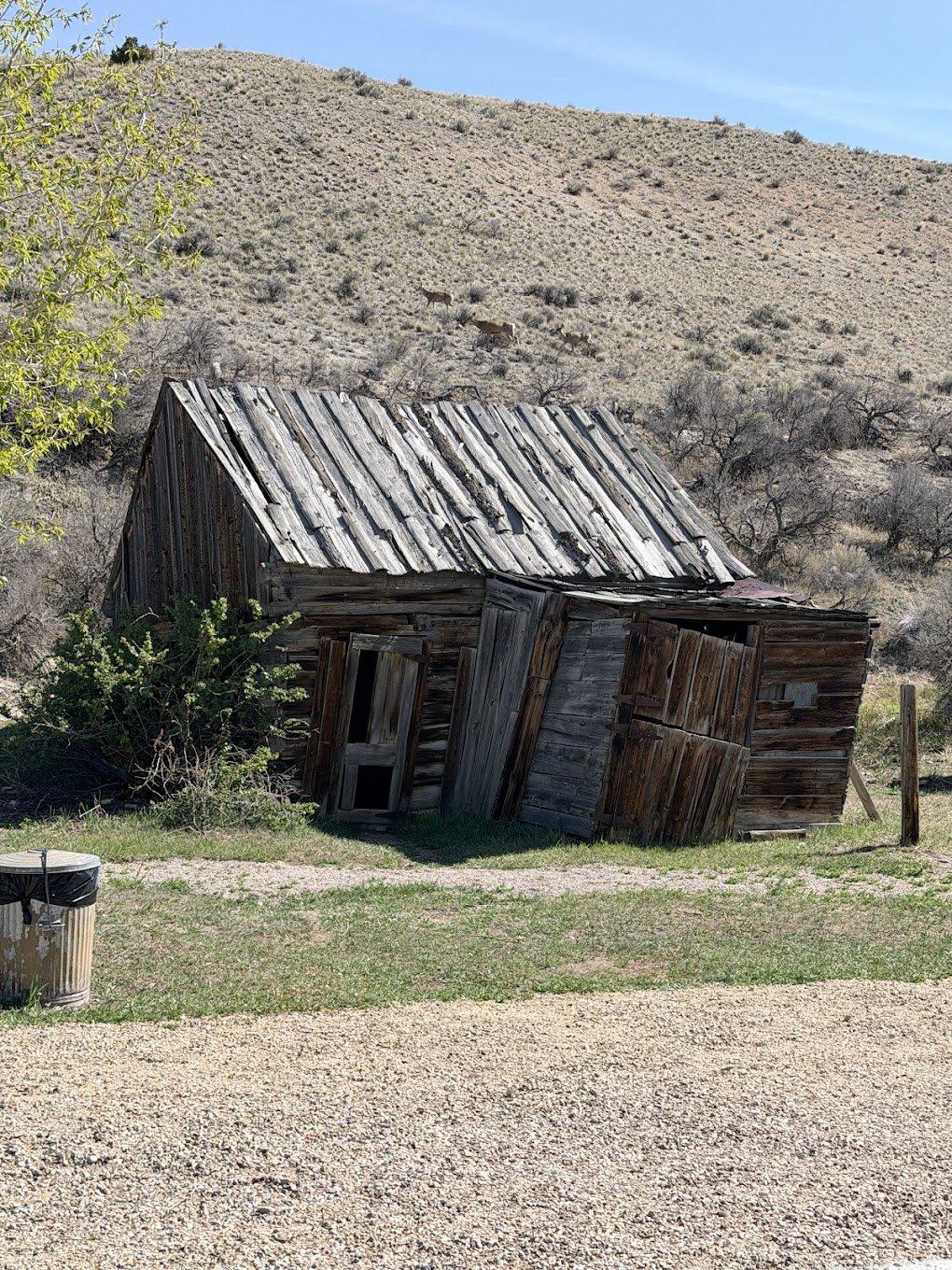
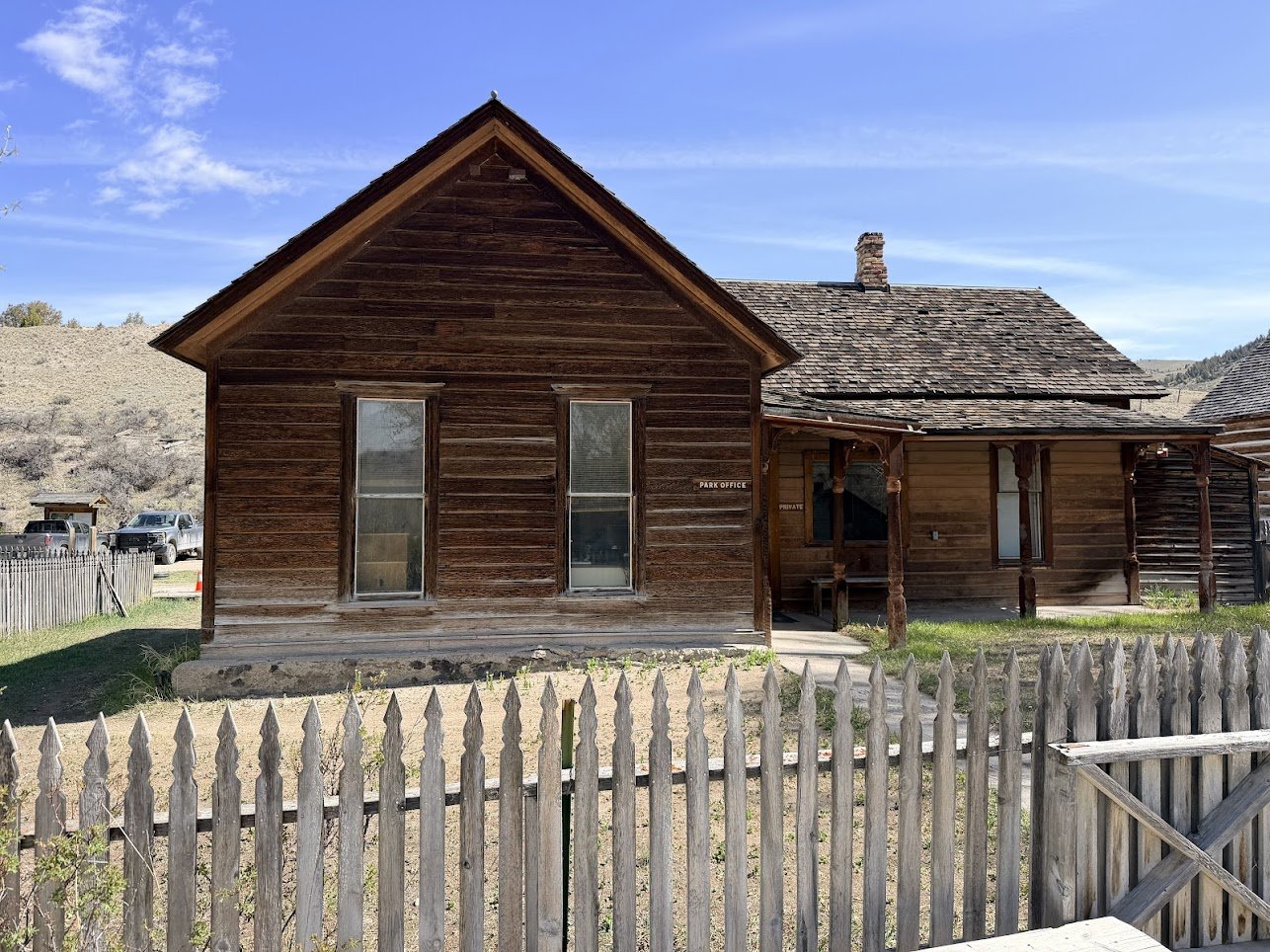
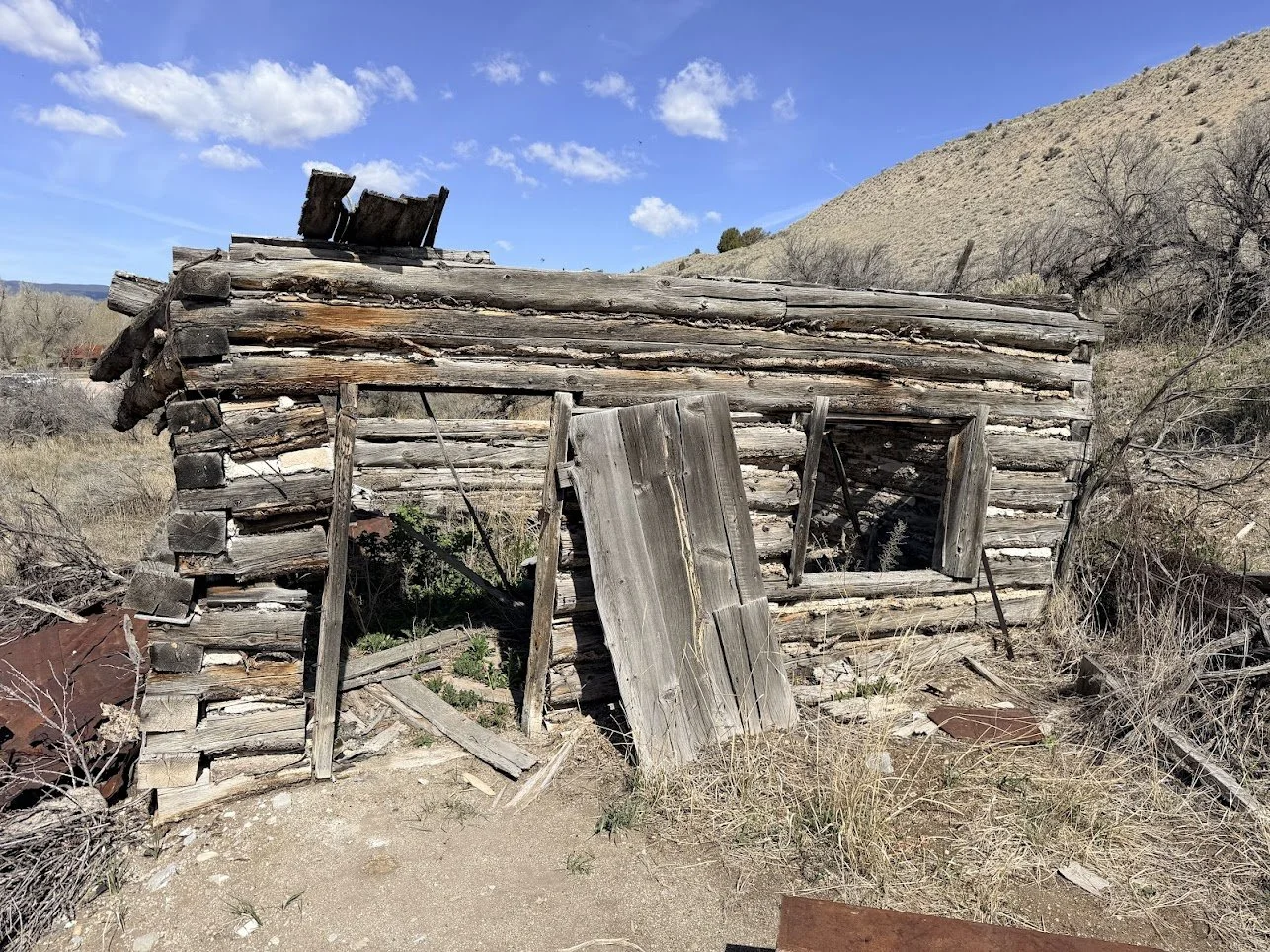
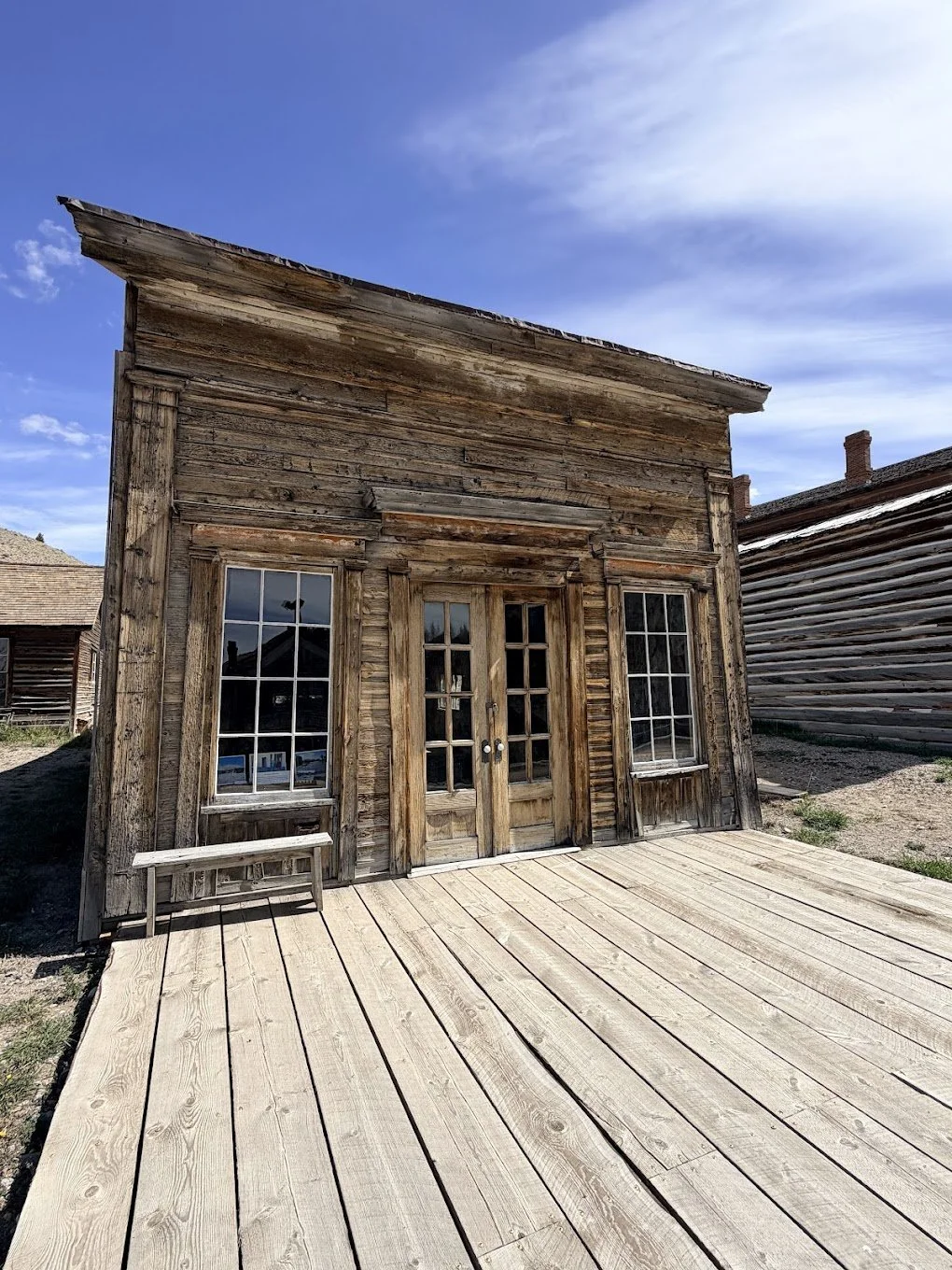
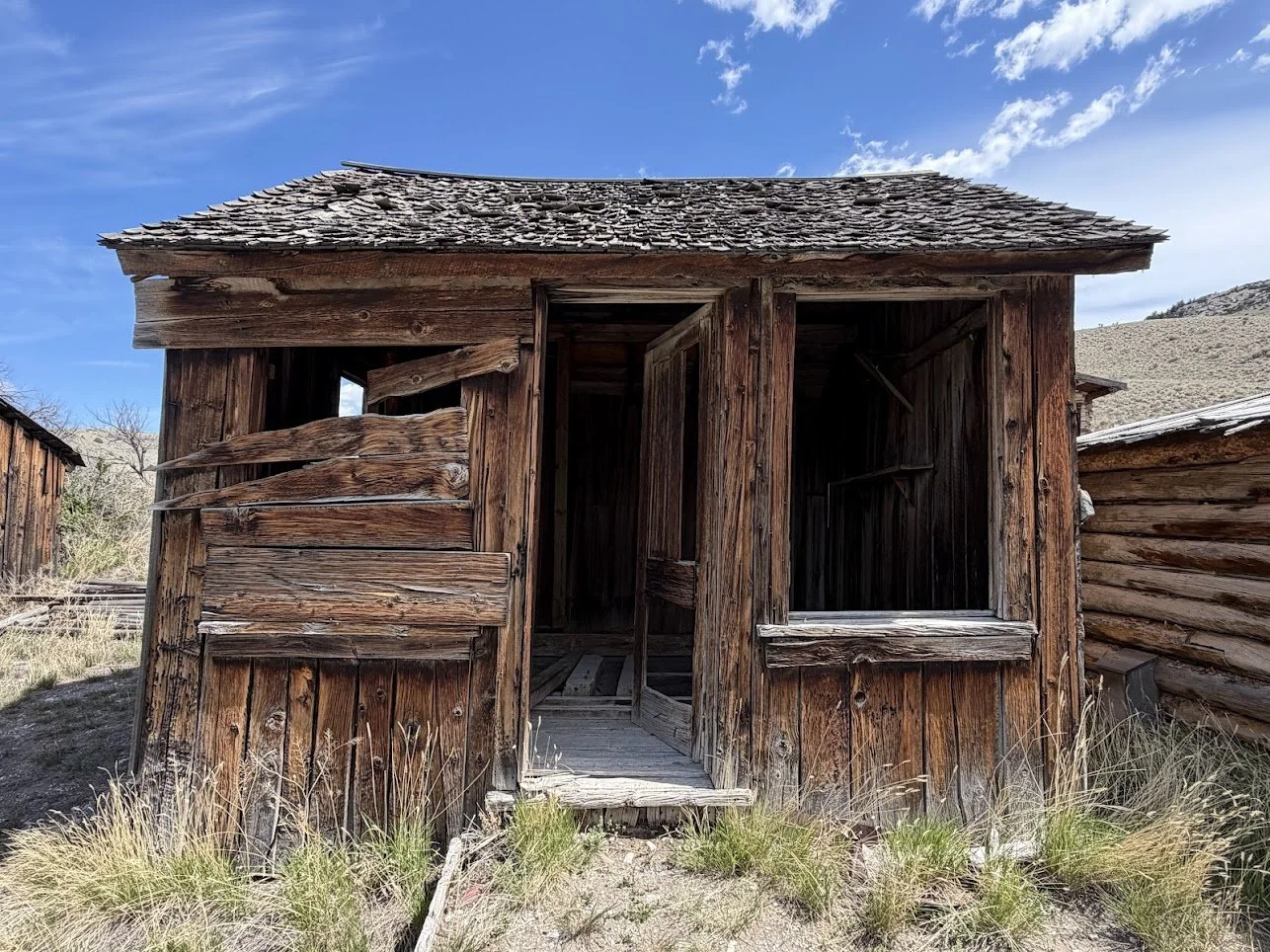
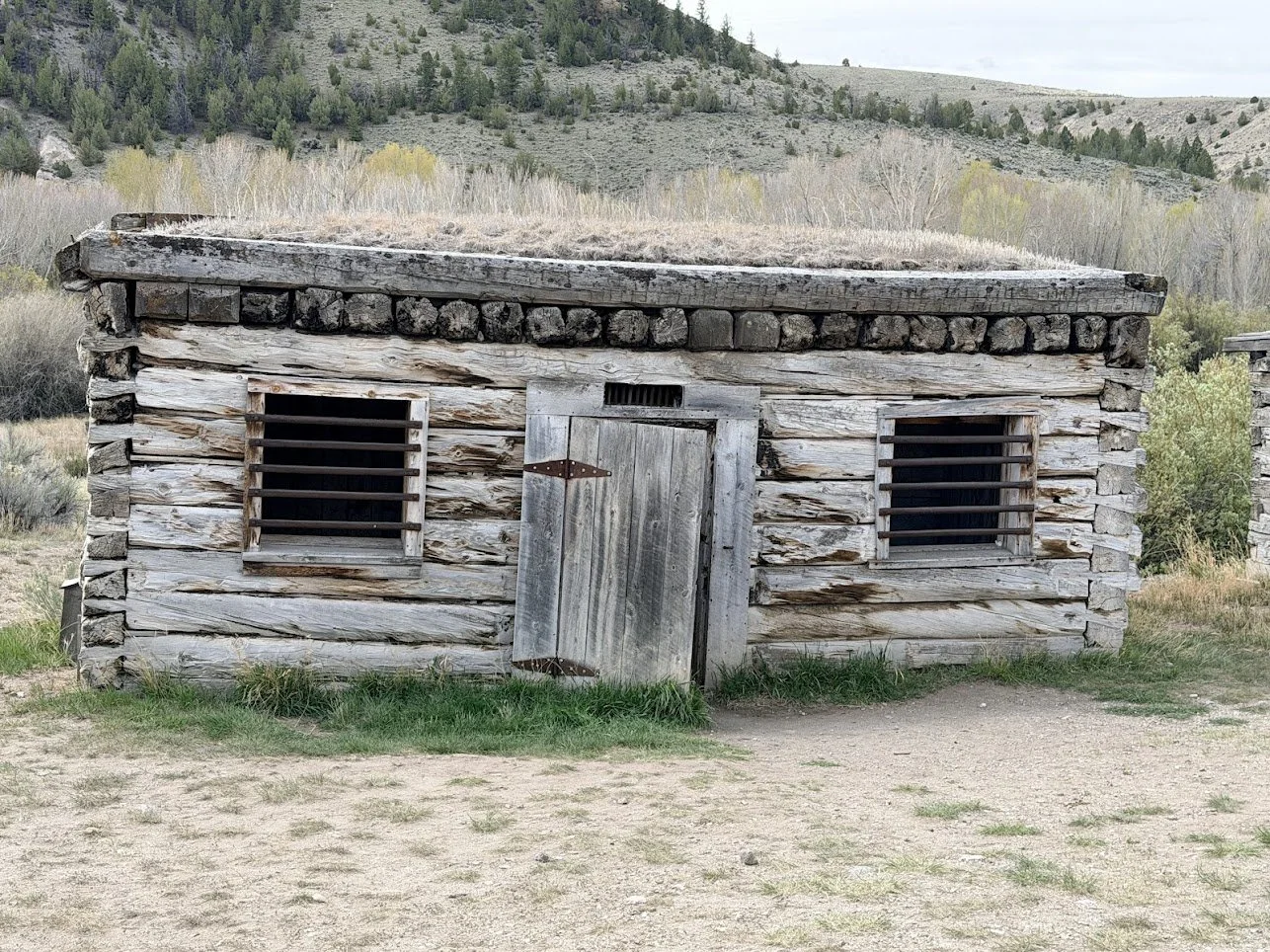
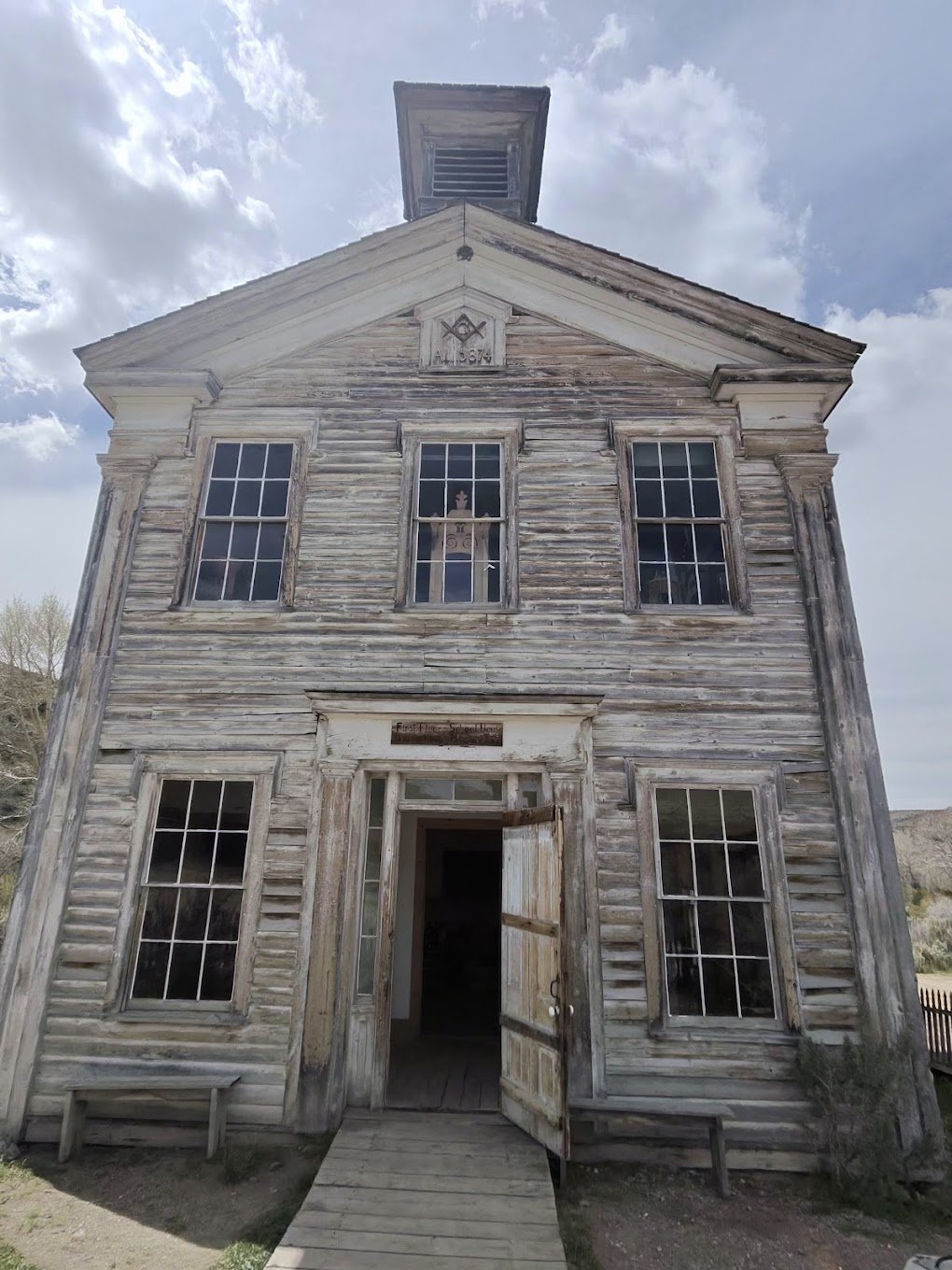
Weathered wooden buildings line the dusty streets exactly where they stood more than 160 years ago. Storefronts lean with age. Windows are cracked and cloudy. Some buildings feel preserved while others look like they are surrendering to time one board at a time. And somehow, that’s what makes Bannack feel real. It doesn’t feel polished or staged. It feels honest.
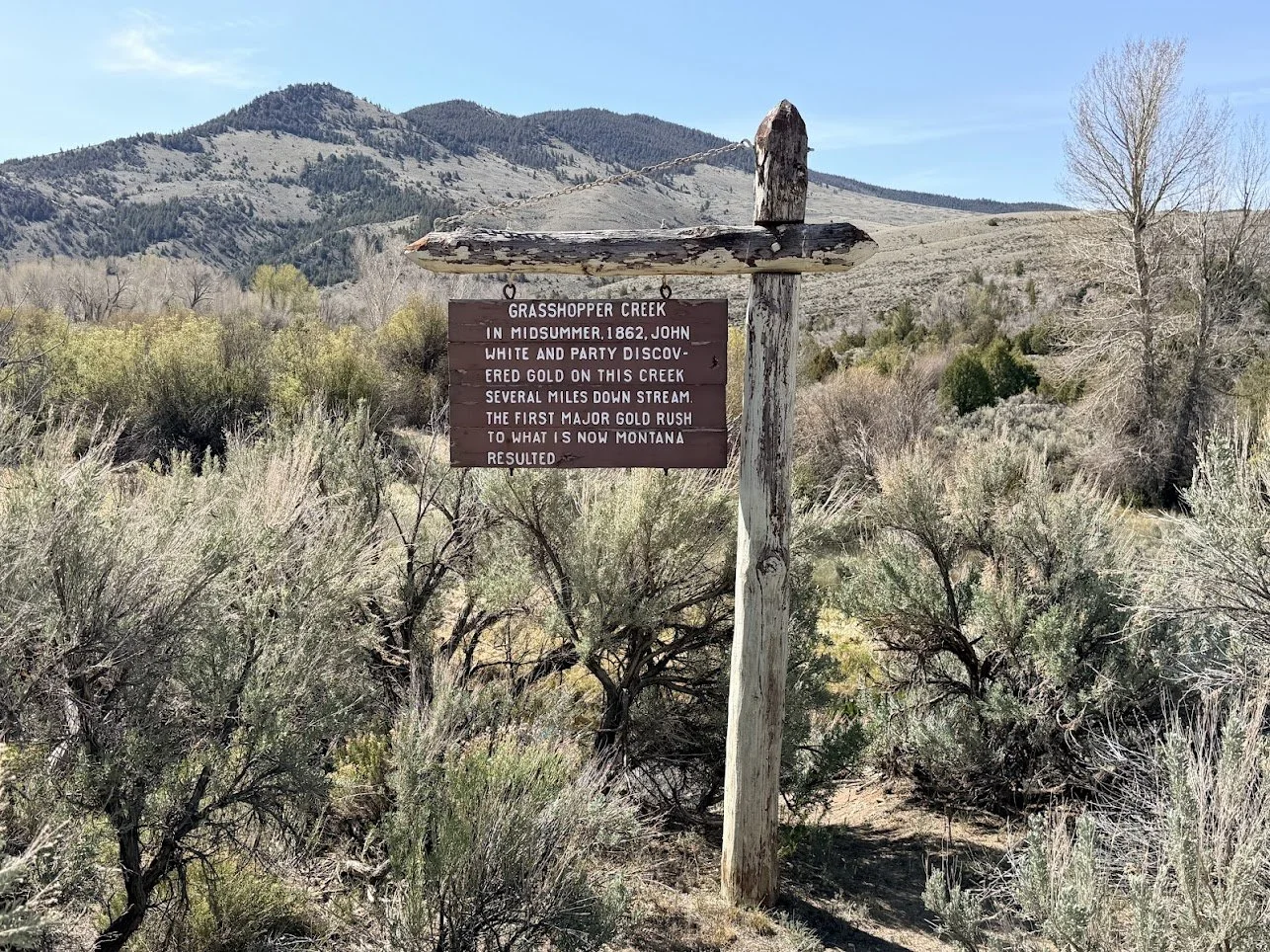
Bannack was founded in 1862 after gold was discovered along nearby Grasshopper Creek. Like so many boomtowns of the Old West, people flooded in chasing fortune, opportunity, and the dangerous confidence that somehow they would be the exception to hardship. Within a short time, Bannack became Montana’s first territorial capital and one of the most important mining towns in the region.
But standing there now, it’s impossible not to realize how brutally difficult life must have been.
People romanticize the Old West. Movies turned it into adventure, freedom, whiskey, outlaws, and cowboy hats. Bannack reminds you very quickly that reality was much harsher. Winters here were unforgiving. Medical care was nearly nonexistent. Mining accidents were common. Disease spread quickly. Isolation was crushing. Survival itself was work.
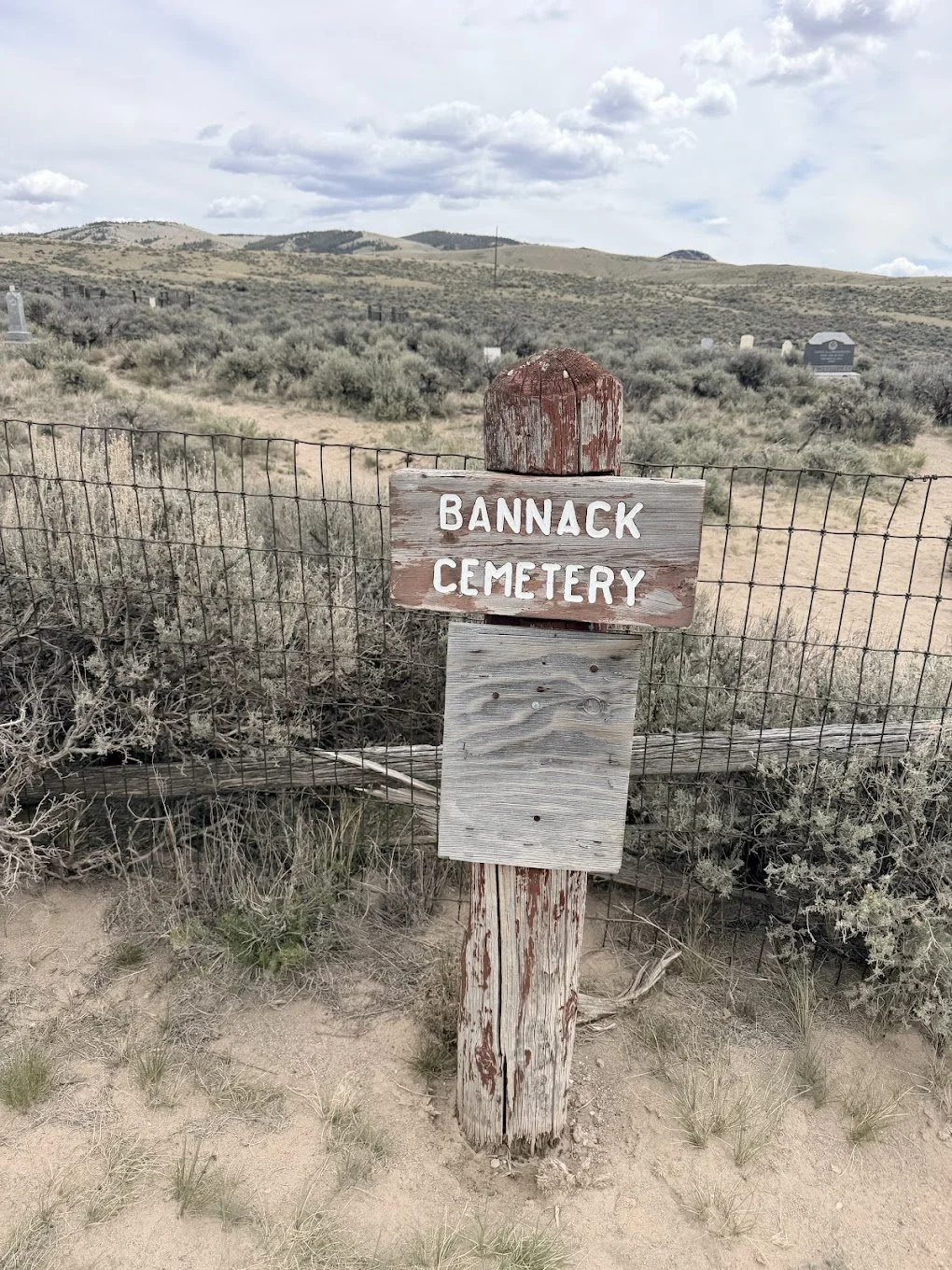
And nowhere is that reality more visible than the cemetery.
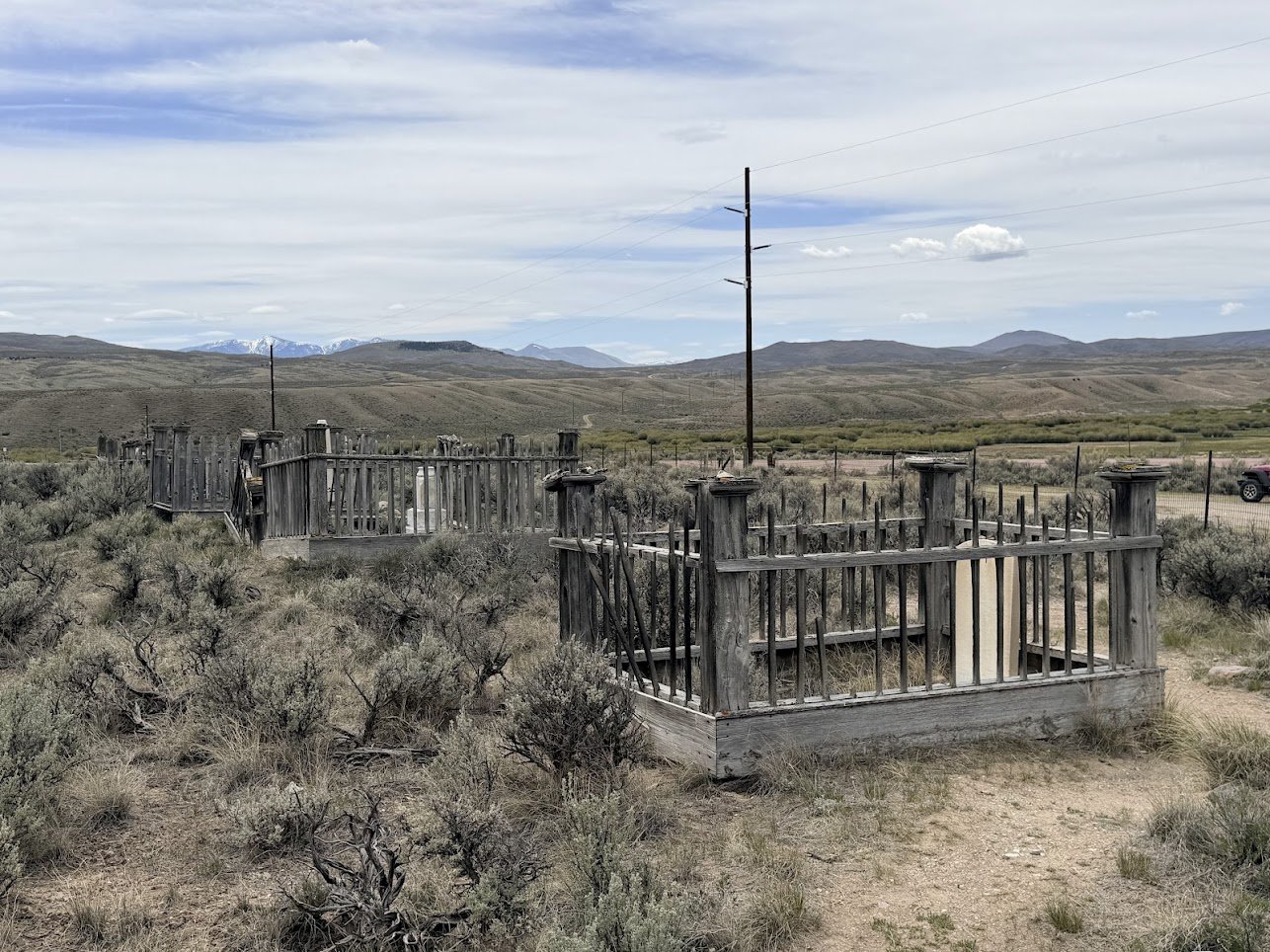
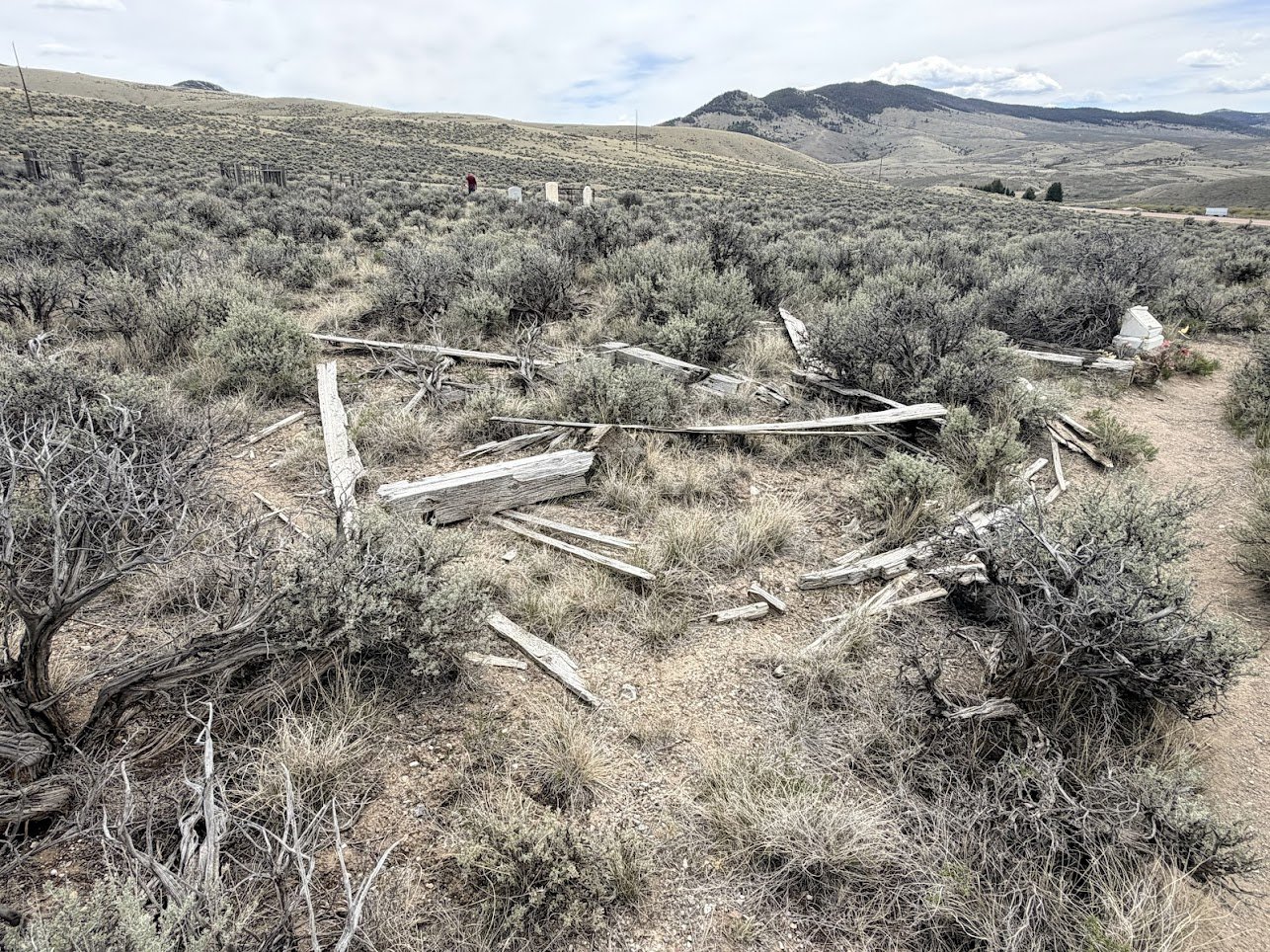
Walking through the cemetery was honestly one of the most emotional parts of Bannack. There are so many children buried there. Tiny graves lined up beside weathered markers worn down by time and Montana weather. Some lived only days. Some only months. Others barely made it into adulthood.
You read the names and ages and suddenly history stops feeling distant.
These weren’t characters in a history book. These were families trying to survive in an incredibly unforgiving place. Mothers and fathers burying children while still trying to continue daily life because stopping simply wasn’t an option back then.
Part of me would love to experience a mining town during its peak for just one day. To see the energy, the businesses, the horses in the streets, the saloons filled with noise, the optimism that gold brought with it.
Then you walk through the cemetery and realize most people living here probably would have traded all that adventure for antibiotics and central heating.
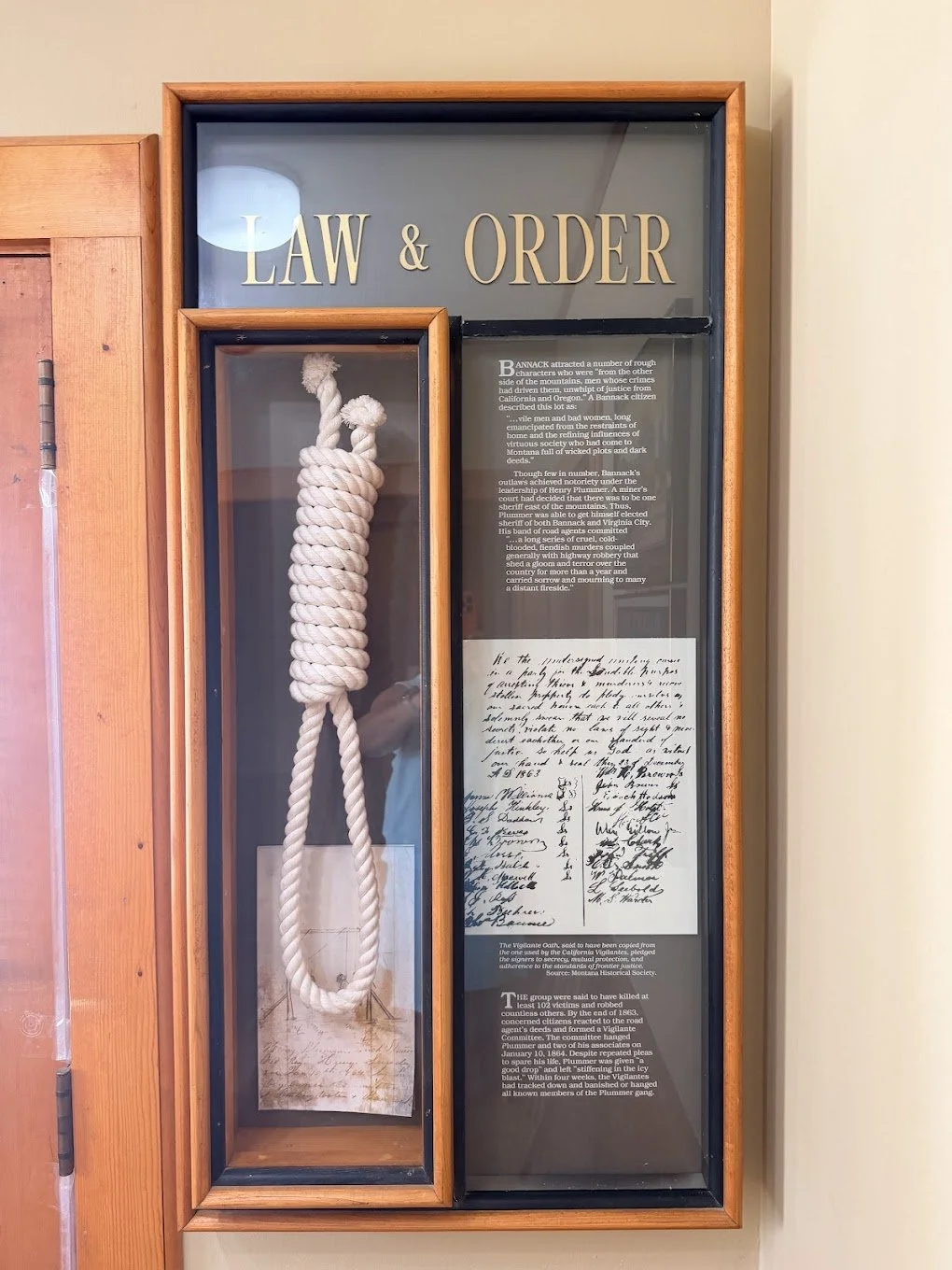
Bannack is also deeply tied to one of Montana’s most debated historical figures: Sheriff Henry Plummer.
Depending on who you ask, Plummer was either a dangerous outlaw secretly leading a gang of road agents responsible for robberies and murders across the gold routes… or he was a convenient scapegoat killed by vigilantes caught up in fear and paranoia.
That uncertainty hangs over Bannack in a strange way.
In January of 1864, Plummer and several others were hanged by vigilantes without formal trials. Some historians believe the executions brought justice to a lawless territory. Others believe innocent men may have died because fear and suspicion spread faster than facts.
Standing in Bannack today, it’s hard not to think about how thin the line between justice and vengeance can become when people are scared.
That’s part of what makes Bannack so fascinating compared to other ghost towns. It isn’t just frozen history. It feels emotionally complicated. Beneath the beautiful scenery and preserved buildings are stories of greed, hope, loneliness, violence, survival, and desperation.
And yet, despite all of that hardship, there’s still beauty here.
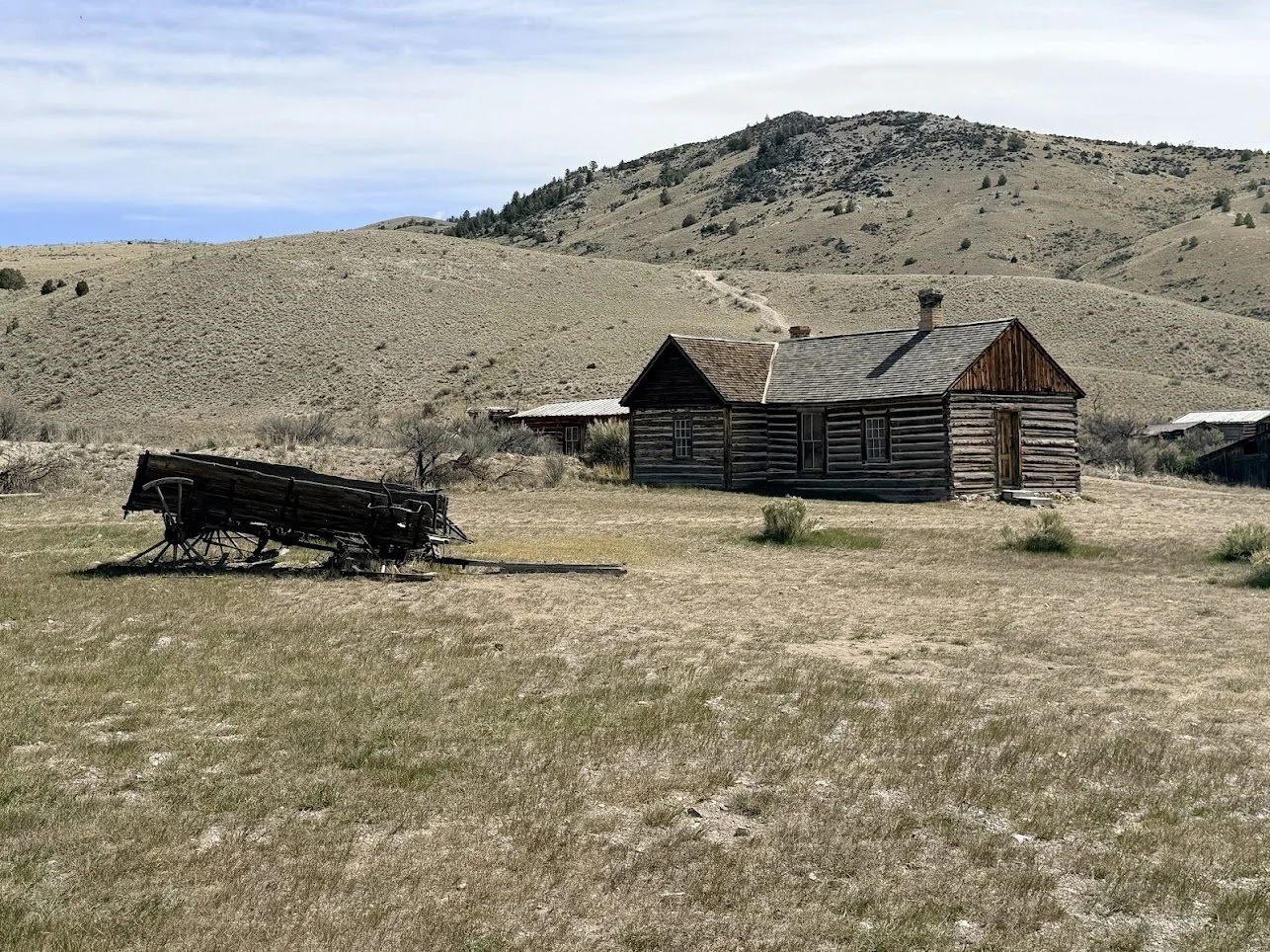
The mountains surrounding the town are stunning. Grass sways through old wooden fences. The creek still runs nearby. Birds nest in buildings that once held stores and homes and hotels. Nature slowly moves around the town without completely reclaiming it.
It’s quiet in a way that feels rare now.
Not silent.
Just still.
The kind of stillness where every creaking board and gust of wind feels important.
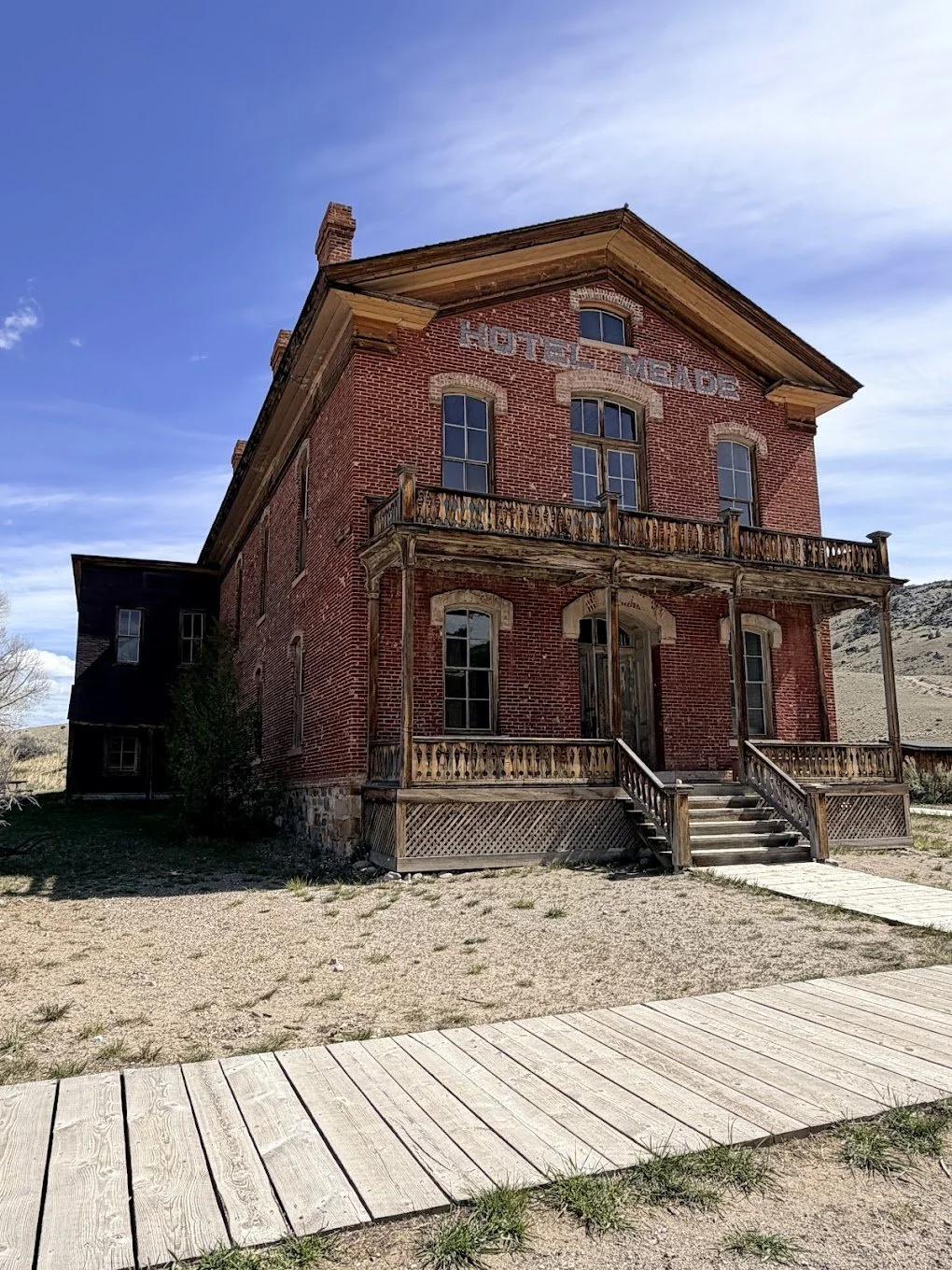
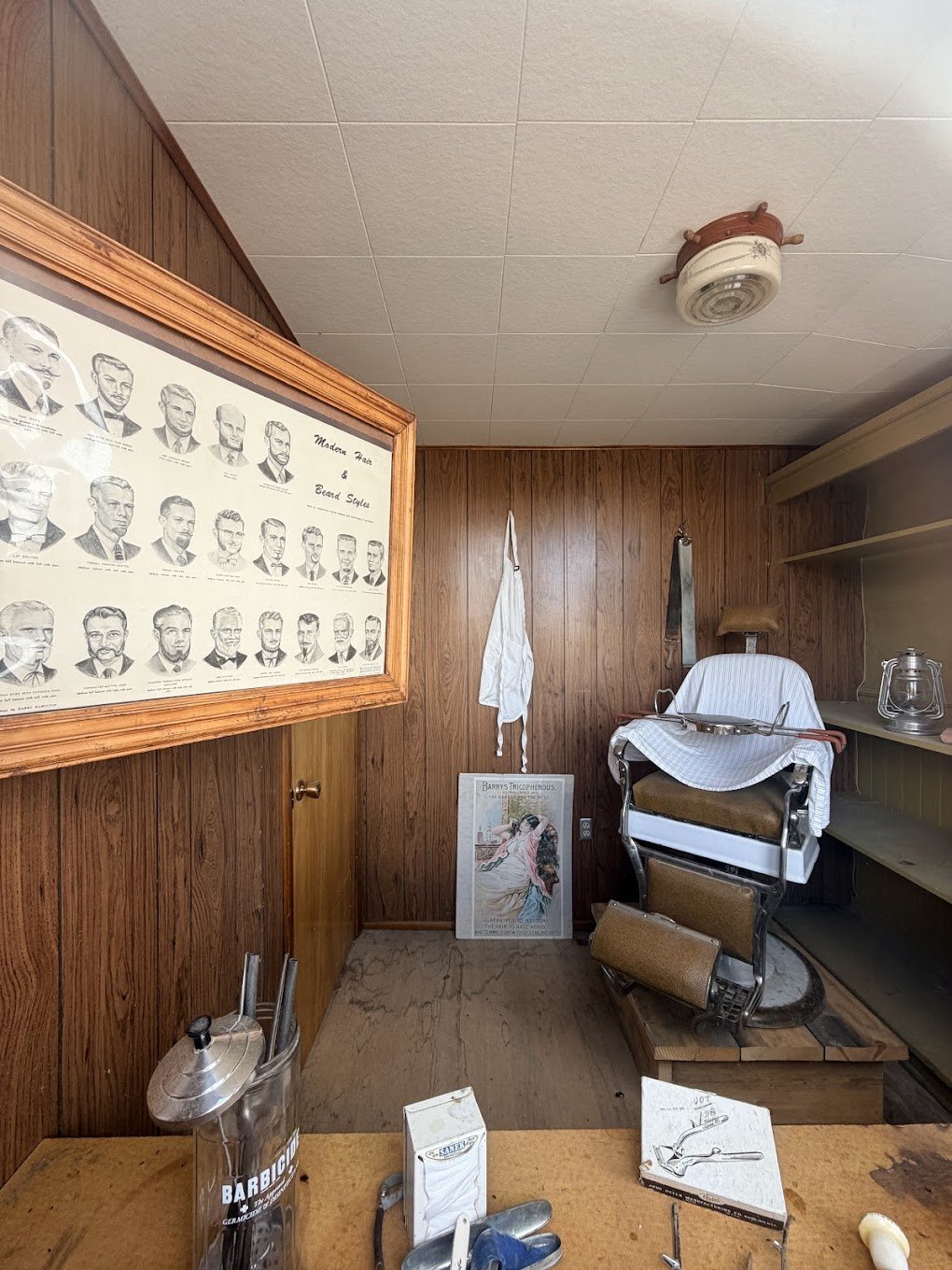
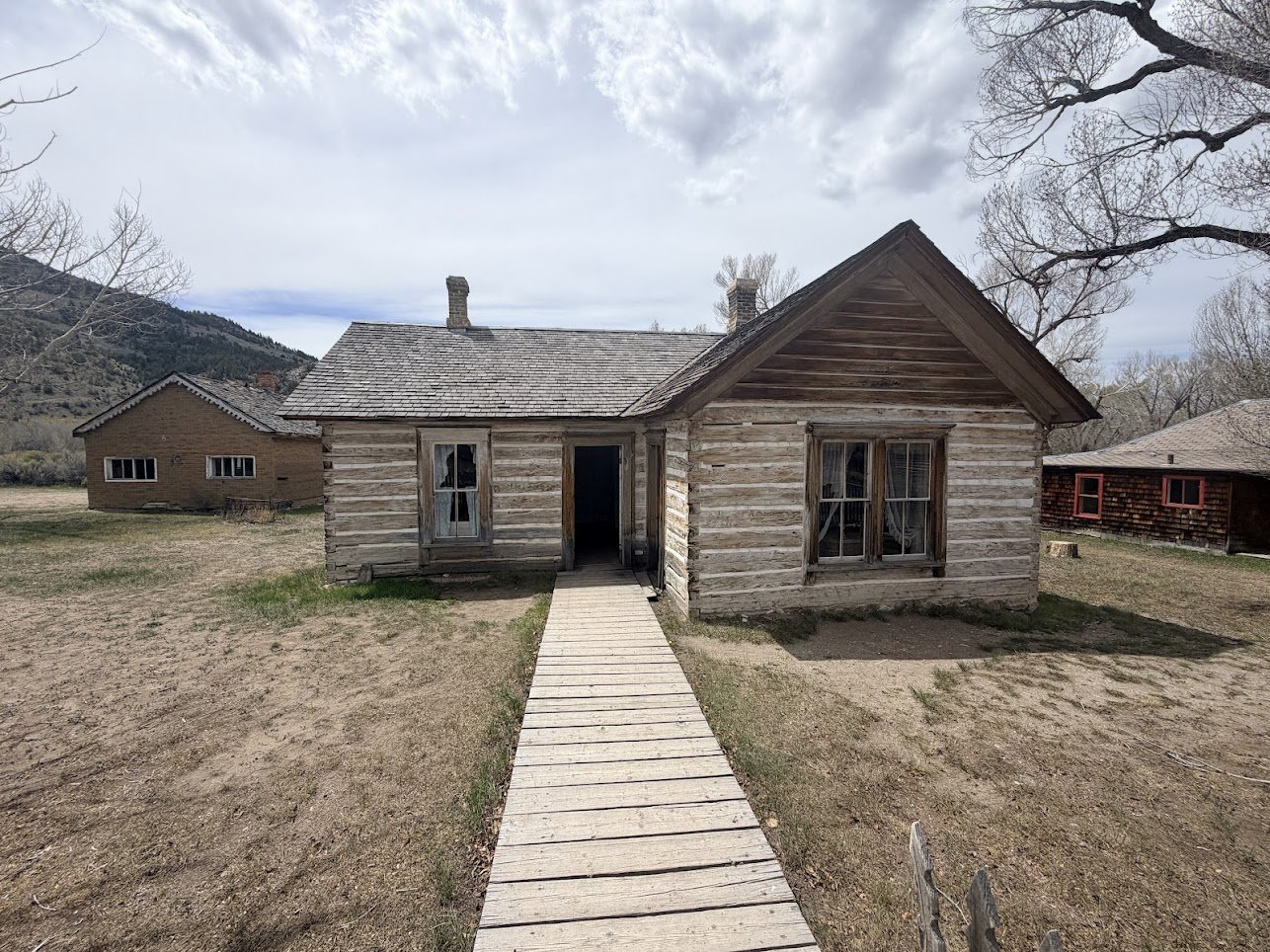
One of the strangest feelings while walking through Bannack is realizing how close you actually are to history. You can walk through the hotel, peer into old homes, stand inside buildings where people built lives, fought, celebrated, struggled, and tried to survive. The distance between past and present feels incredibly thin there.
And unlike some historical sites that feel overly commercialized, Bannack still feels rugged. Imperfect. Real. It hasn’t lost the feeling that life actually happened there.
You leave Bannack with more than photographs.
You leave thinking about the people.
The miners who arrived full of hope. The families who endured impossible conditions. The children buried far too young. The vigilantes convinced they were delivering justice. The people who risked everything chasing gold in a valley that promised fortune but often delivered heartbreak instead.
Bannack isn’t just a ghost town.
It’s proof that the Old West wasn’t built by legends. It was built by exhausted, determined, flawed human beings trying to survive in a world far harsher than most of us can imagine today.
And somehow, after all these years, you can still feel them there.