Montana Adventure - Ennis, Virginia City, and Sheridan
Day 1 of the Montana adventure is officially in the books, and somehow we managed to combine whiskey, ghost-town history, old saloons, and questionable decision-making into one very efficient travel itinerary. The people of the Old West really looked at untamed wilderness, grizzly bears, harsh winters, and lawlessness and collectively decided, "This seems like a great place to build a town."
First Stop: Ennis & Willie's Distillery
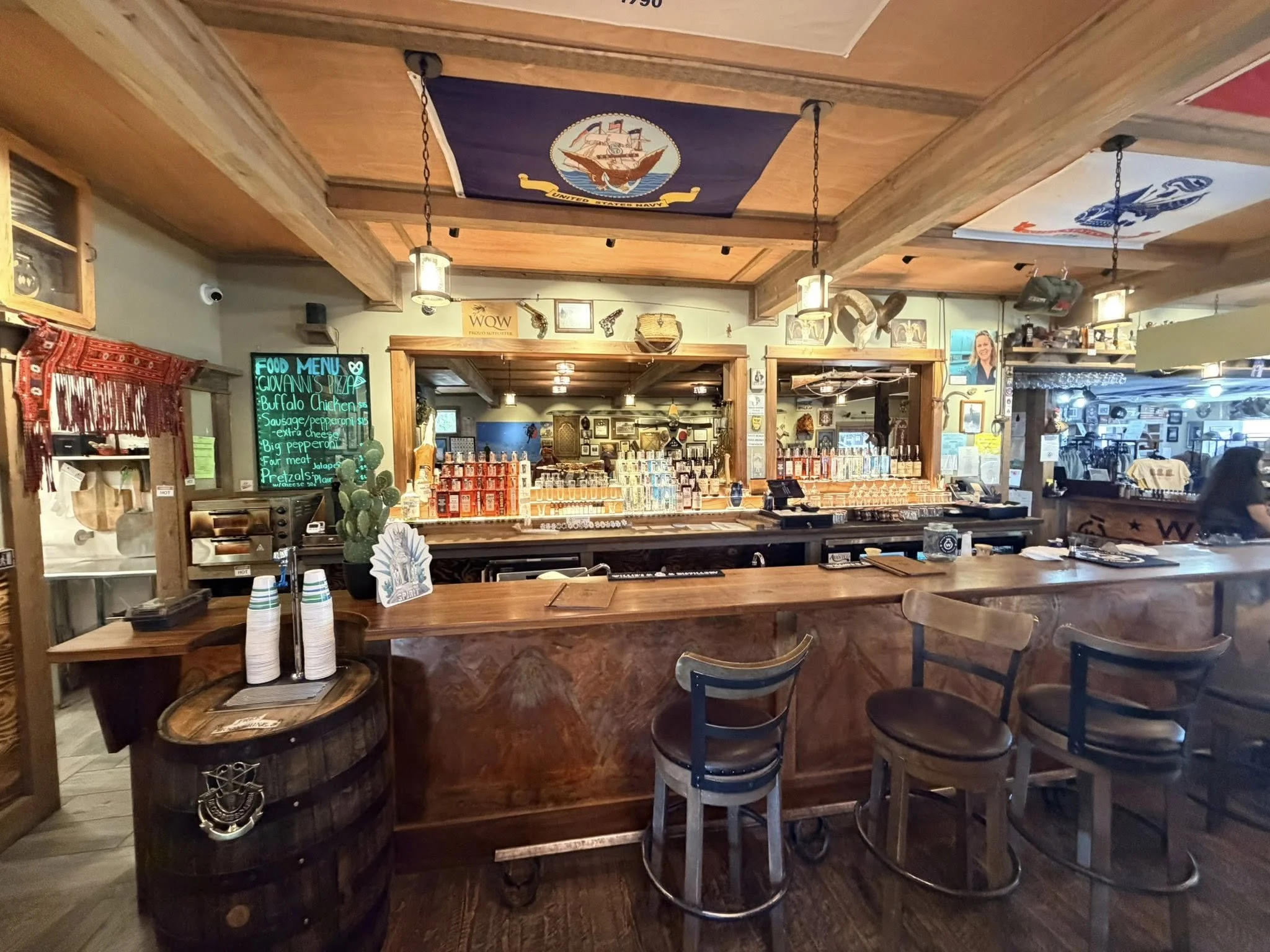
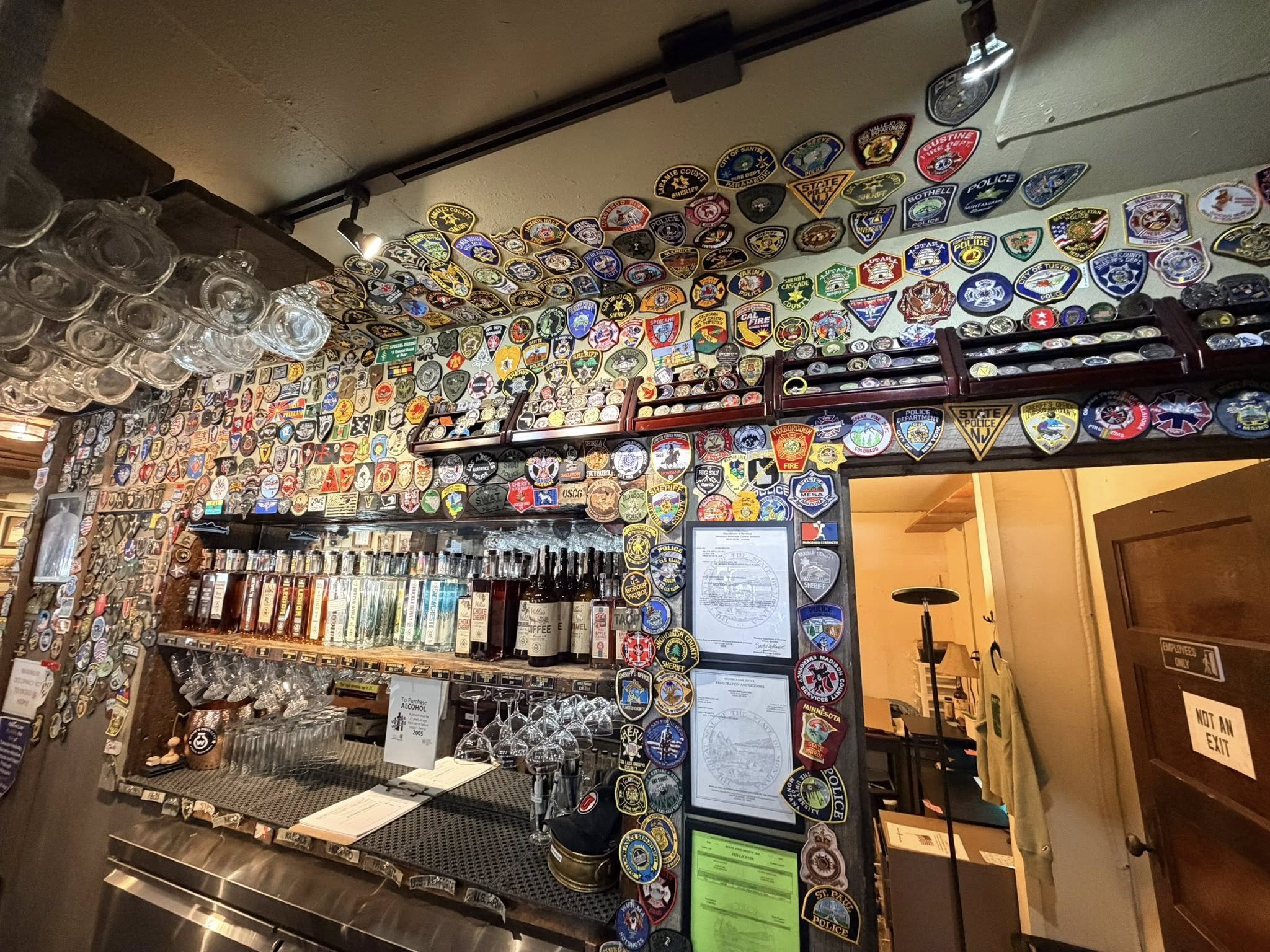
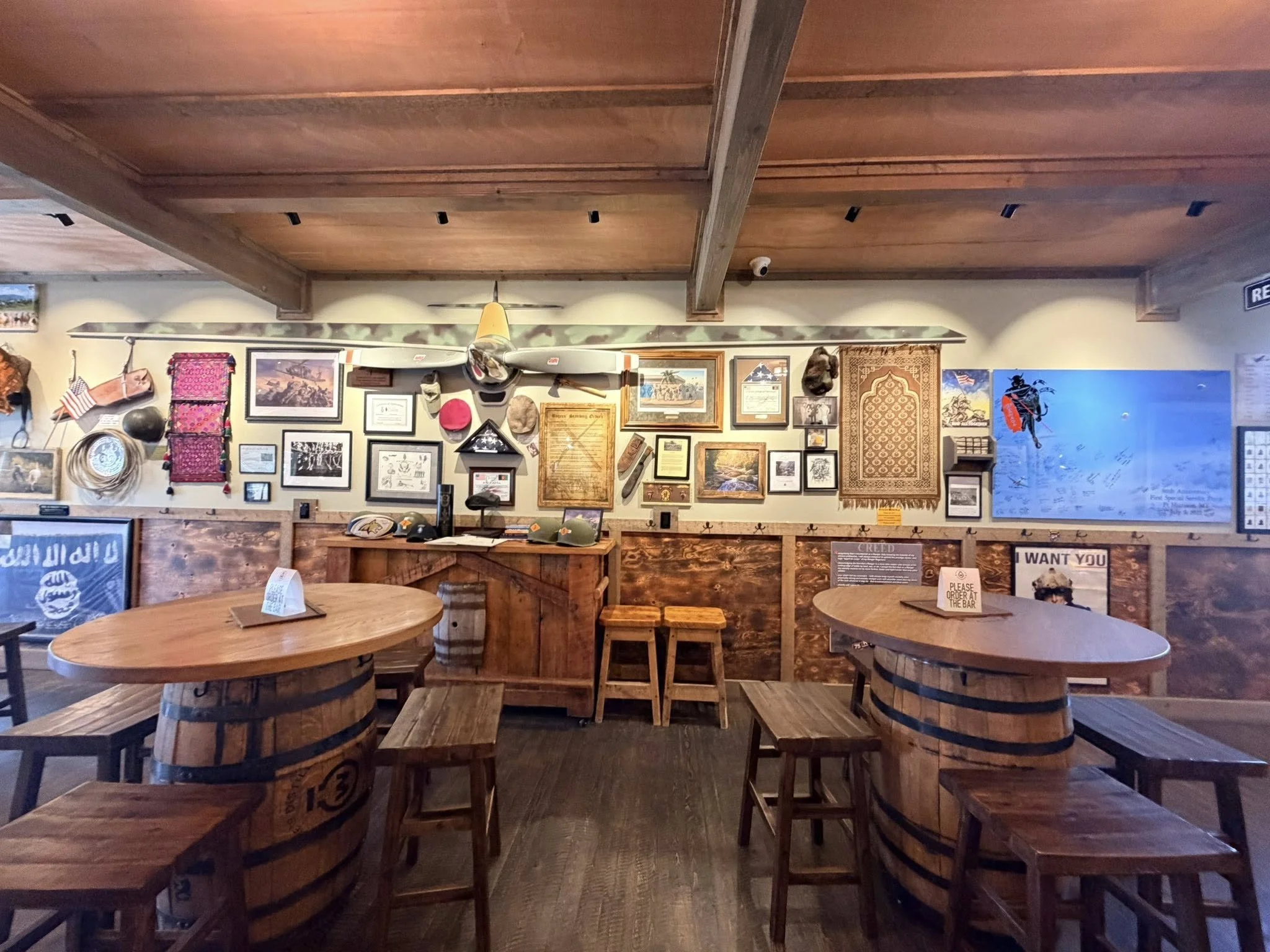
Our first stop was Ennis and a visit to Willie's Distillery. The guys sampled a tester flight of whiskey and moonshine because apparently hydration becomes optional once you cross into Montana. Since Willie’s is veteran-owned, supporting them made the stop even better.
Ennis itself has deeper roots than most people realize. The town was established in the 1860s and named after William Ennis, one of the area's early settlers and cattlemen. Sitting in the heart of the Madison Valley, Ennis became an important supply point for ranchers, miners, trappers, and travelers moving through southwest Montana.
The Madison Valley was shaped by both gold and cattle. While nearby mining camps exploded almost overnight, the valley developed into one of Montana's premier ranching regions. Today, Ennis is known worldwide for fly fishing, but long before tourists arrived with expensive rods and matching hats, people were making a living here through grit, livestock, and whatever luck they could find in the mountains.
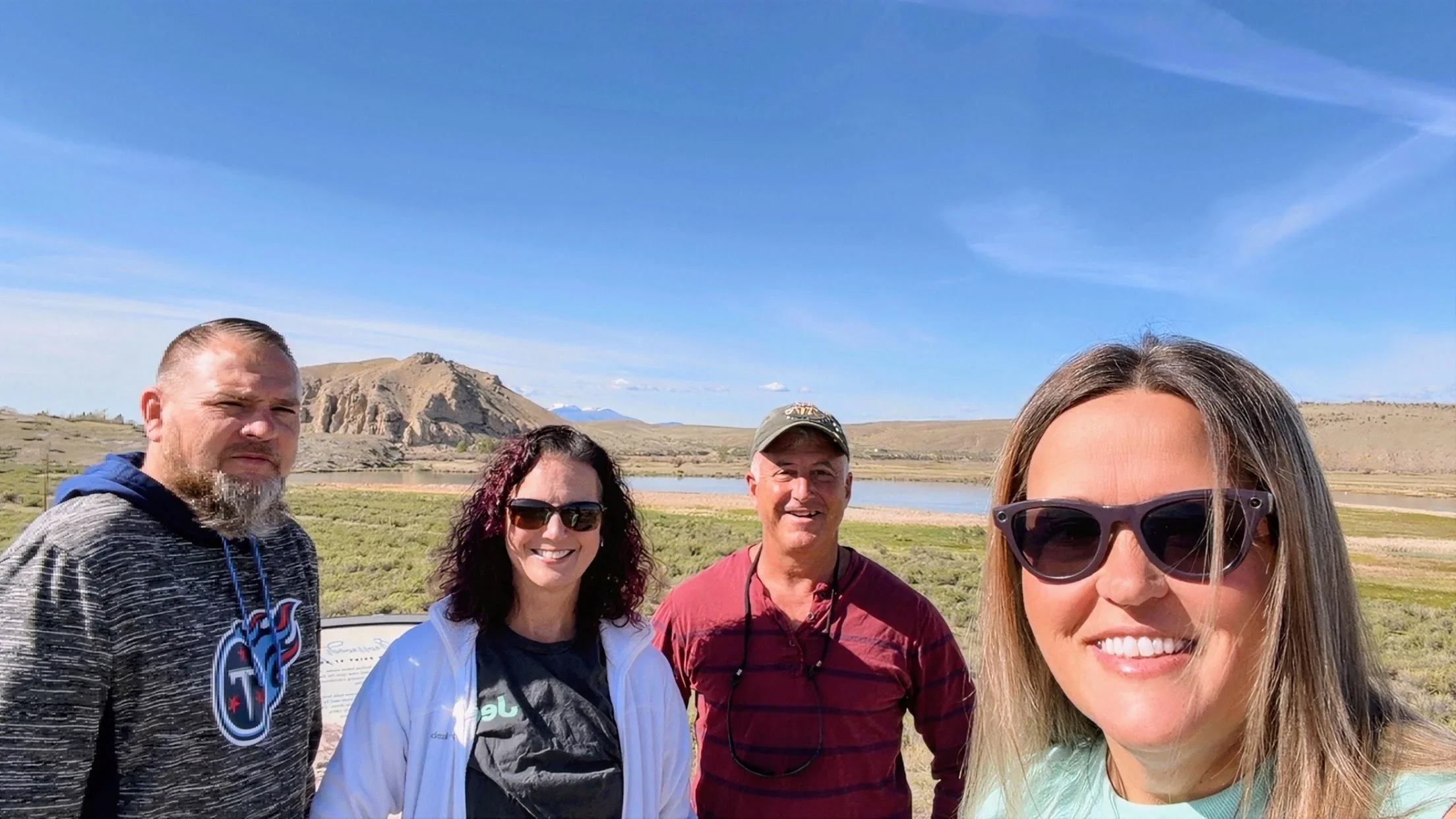
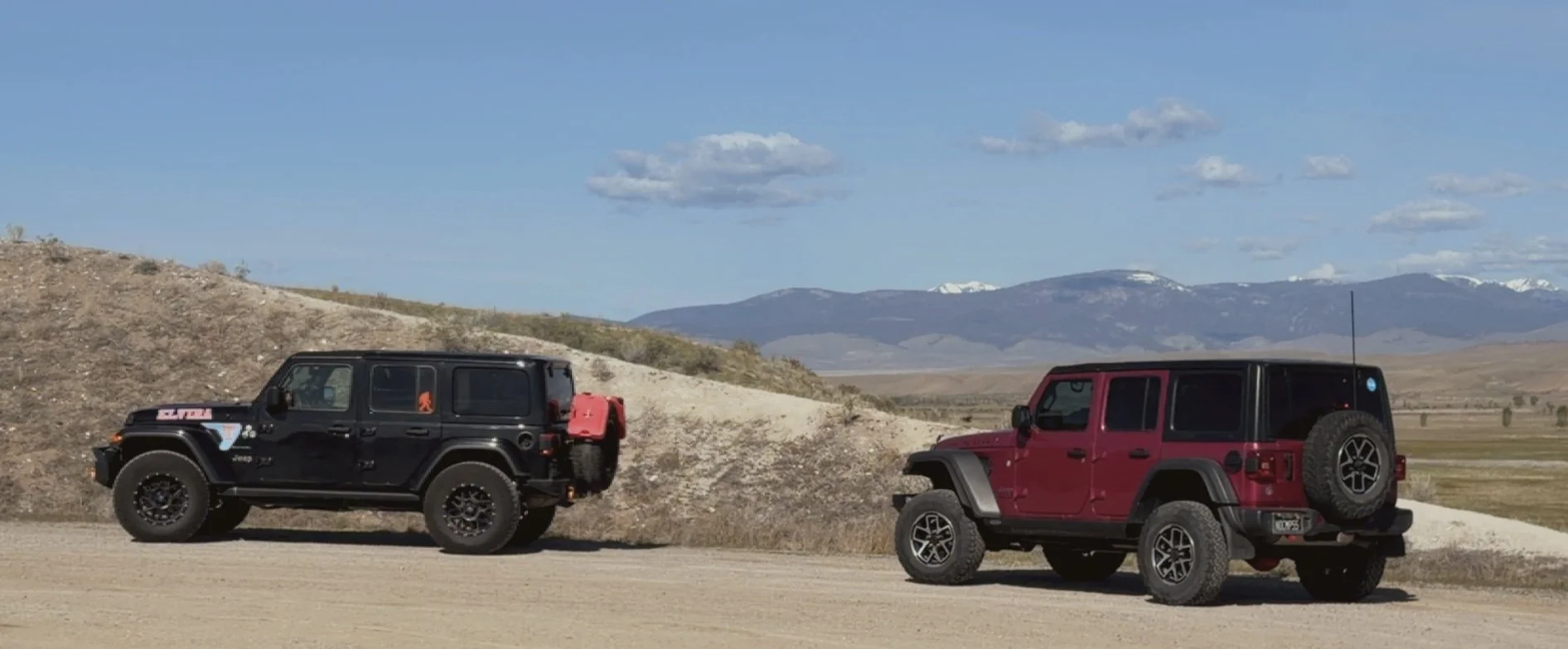
The valley itself is stunning. Surrounded by mountain ranges and crossed by the Madison River, it looks like the kind of place that belongs on a postcard. Every direction you look feels like Montana showing off.
Second Stop: Virginia City
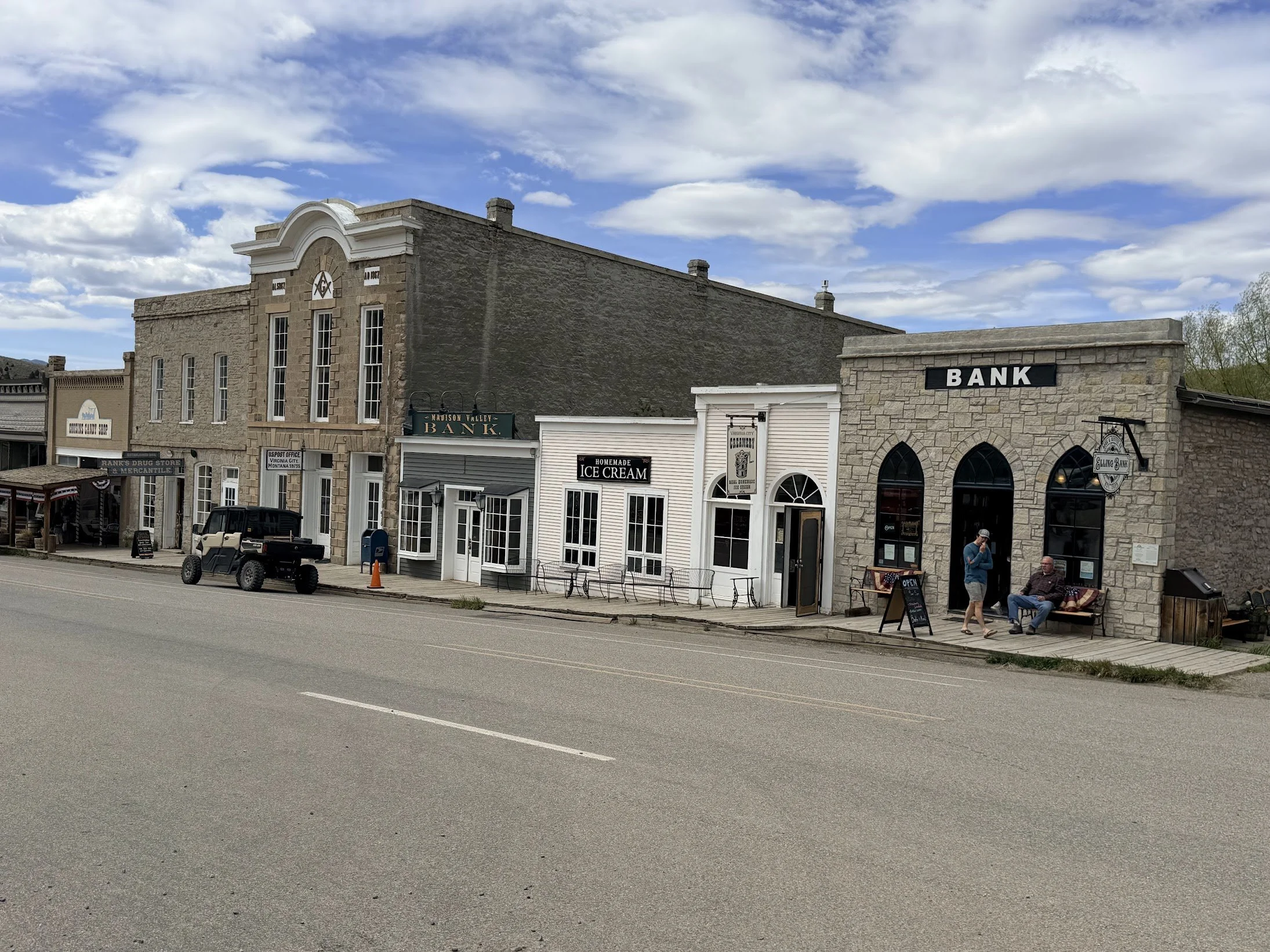
Next up was Virginia City, and if you're a history buff, this place is dangerous. You can lose an entire day wandering around and still not see everything.
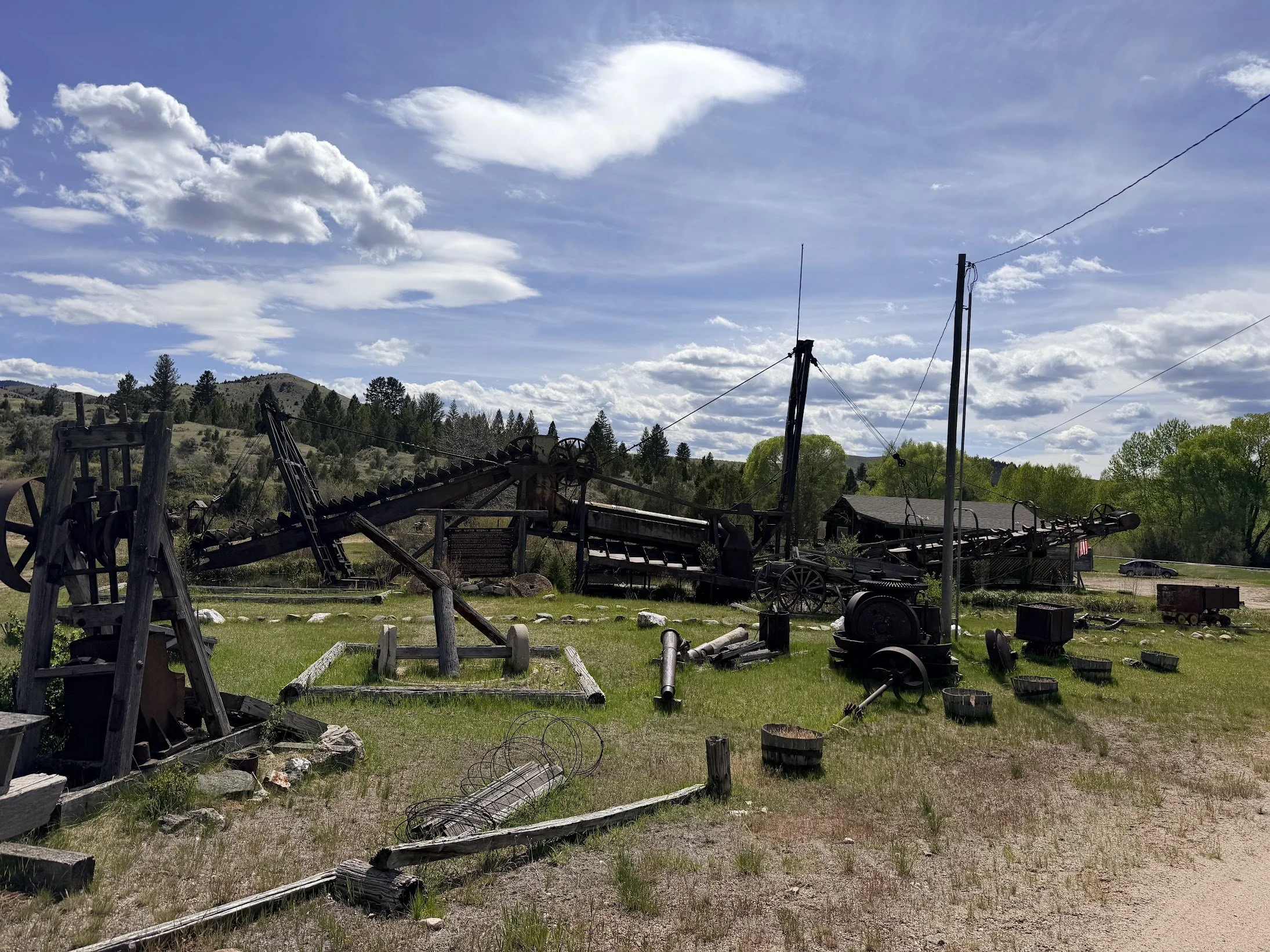
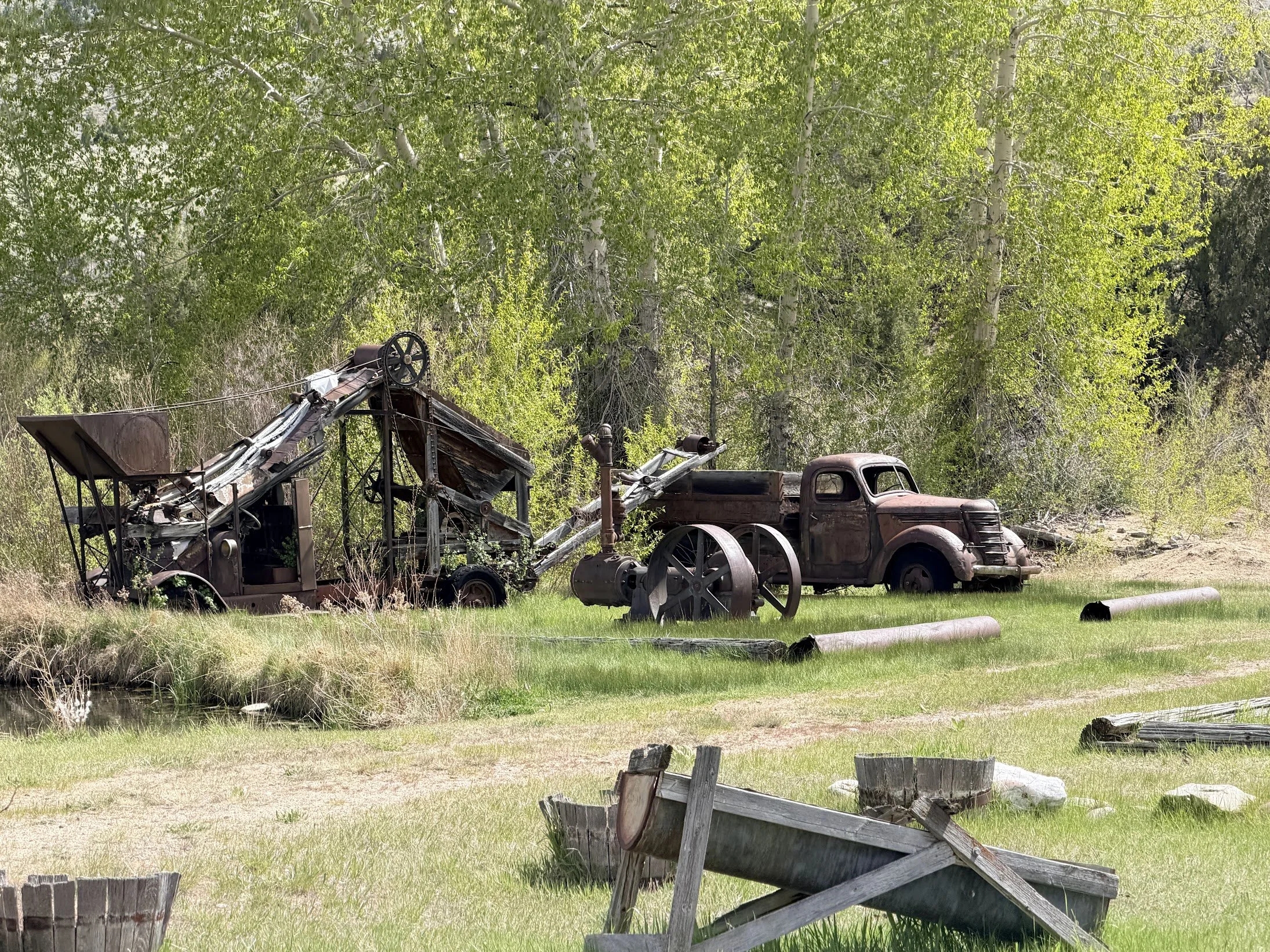
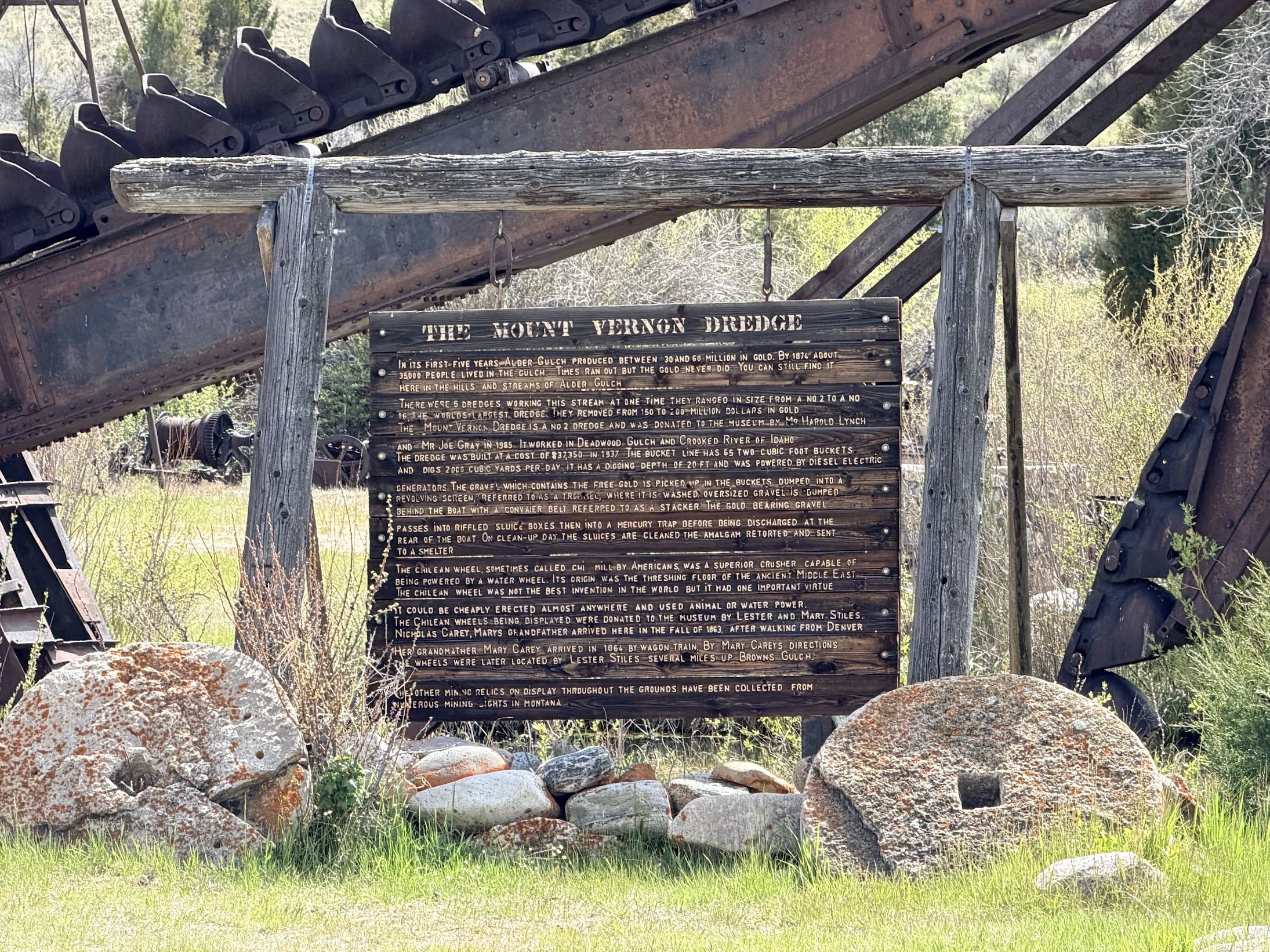
Virginia City sprang to life in 1863 after gold was discovered in Alder Gulch by a group led by Bill Fairweather. Legend says Fairweather and his companions were actually headed elsewhere when they stumbled onto one of the richest placer gold strikes in North American history. Within months, thousands of miners flooded the area and a tent camp became a booming frontier city.
At its peak, Alder Gulch produced an estimated $30 million in gold during the 1860s. Adjusted for today, that's hundreds of millions of dollars. Not bad for a bunch of people digging holes in a creek bed.
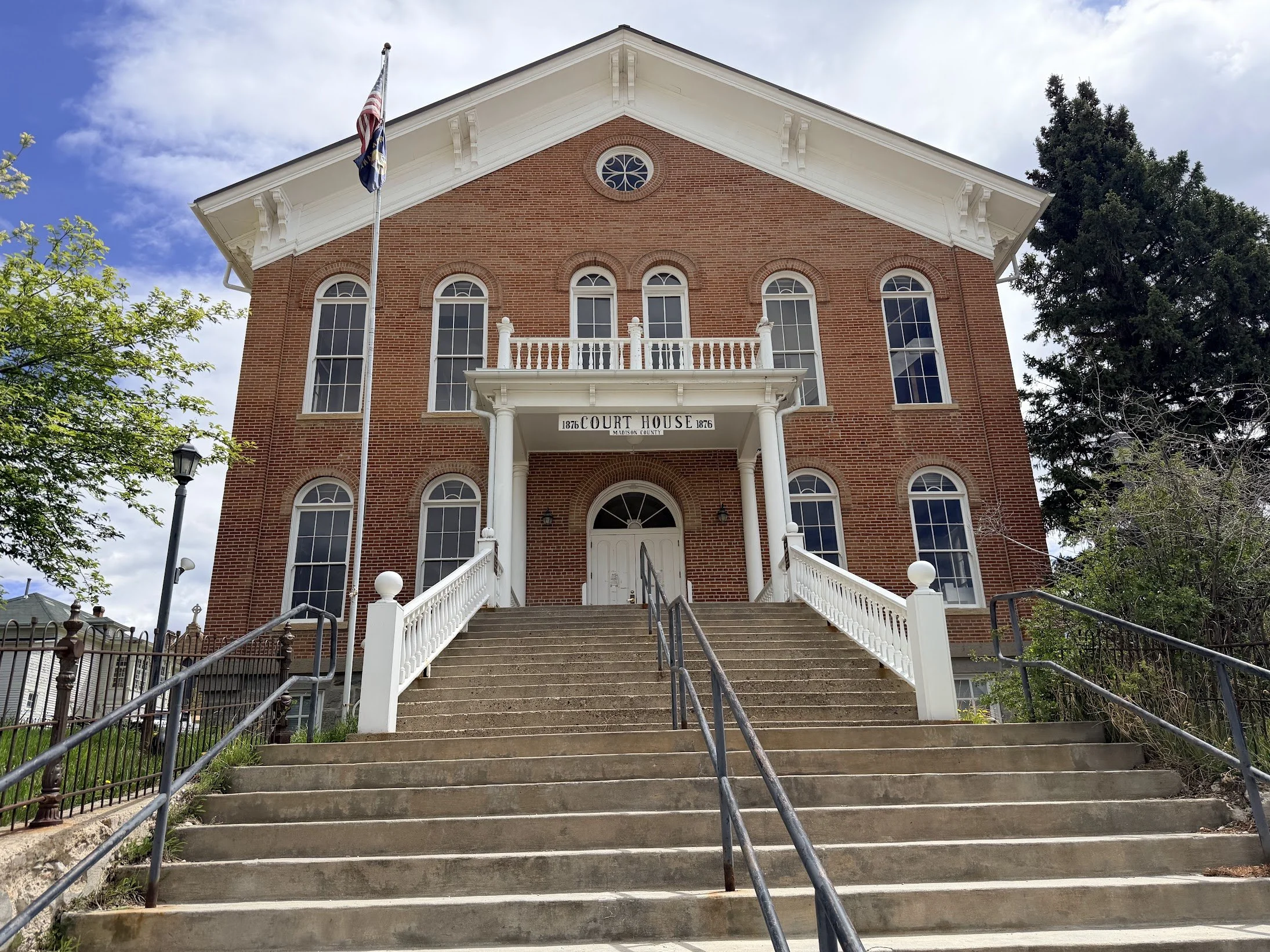
Virginia City briefly served as the capital of the Montana Territory and became one of the most important settlements in the region. Along with the miners came merchants, gamblers, saloon owners, entertainers, outlaws, and plenty of people hoping to separate miners from their newly acquired gold.
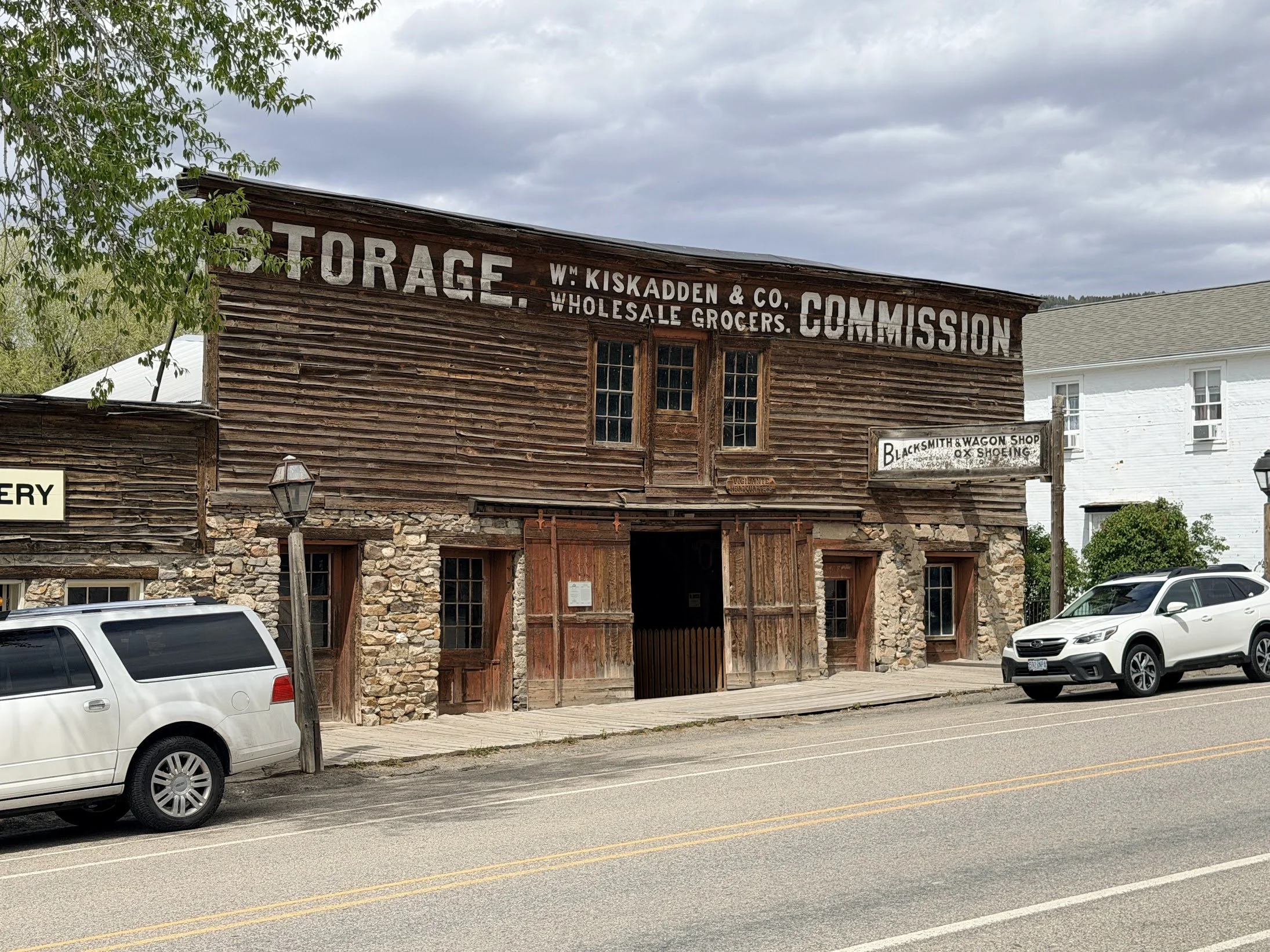
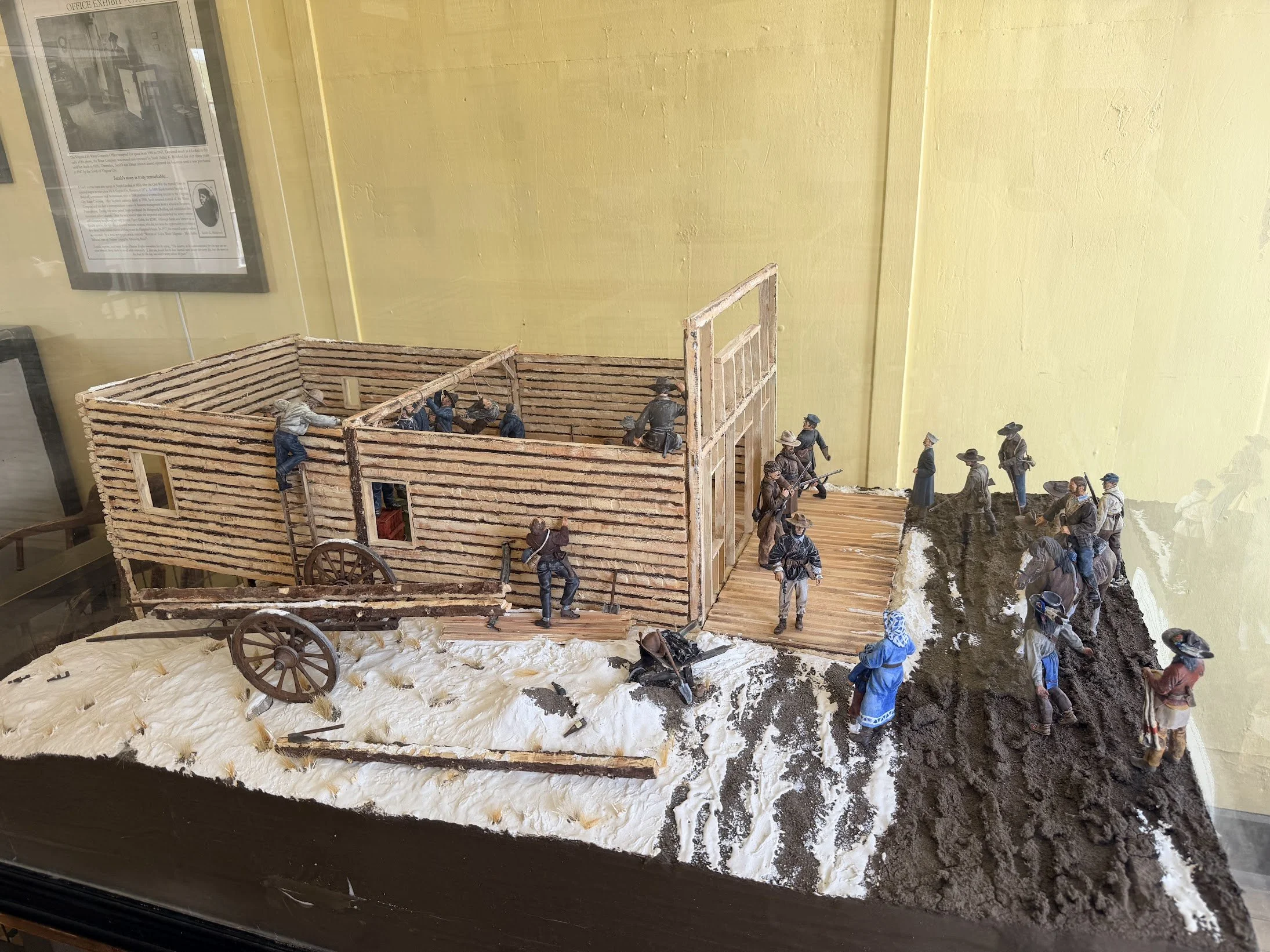
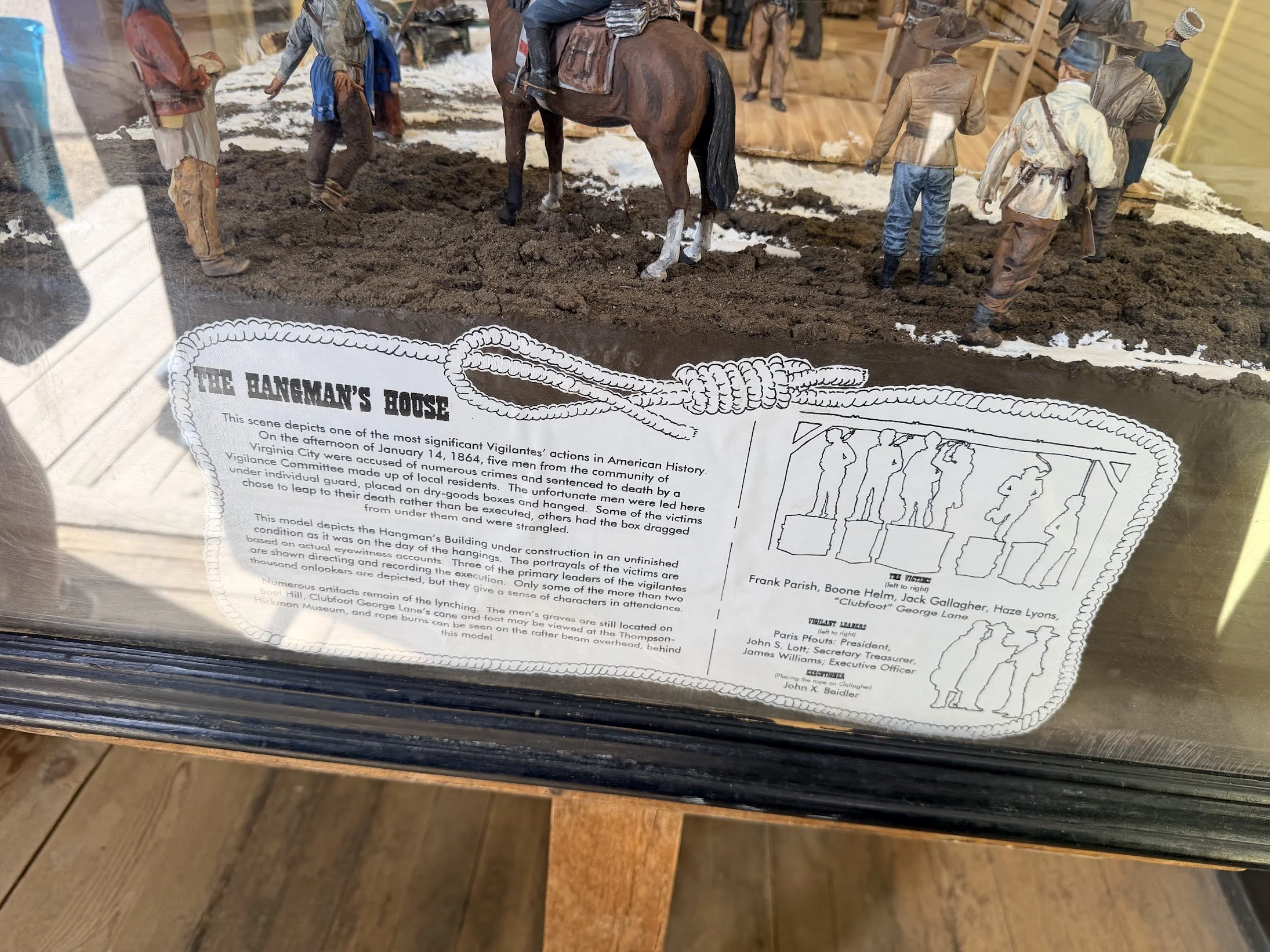
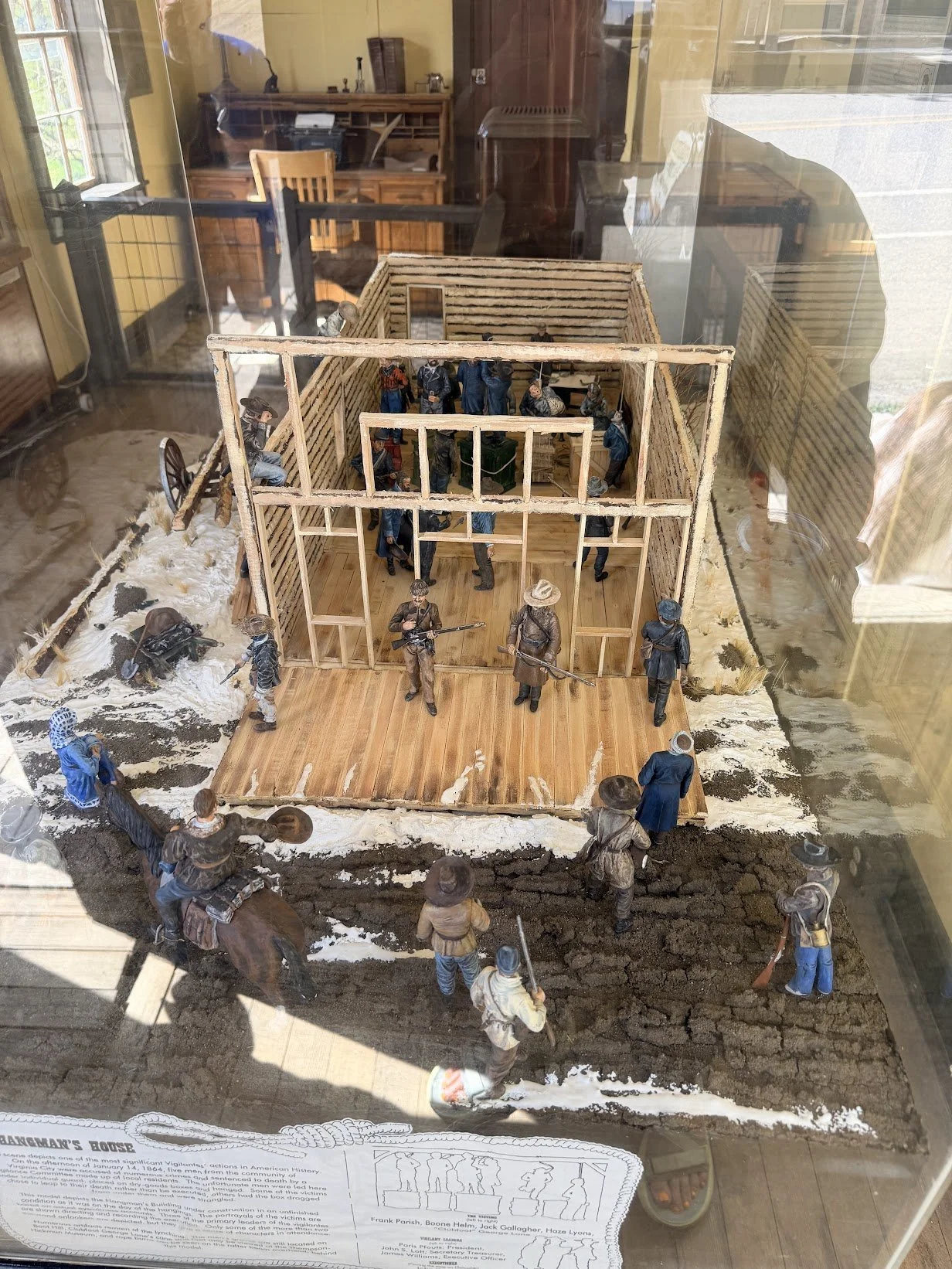
One of the most famous chapters in Virginia City's history involved the Vigilantes. In the winter of 1863-64, a group of citizens took justice into their own hands after a string of robberies and murders were linked to a gang known as the Innocents. Whether every hanging was justified remains a matter of debate, but there is no question the events became one of the defining stories of Montana's frontier history.
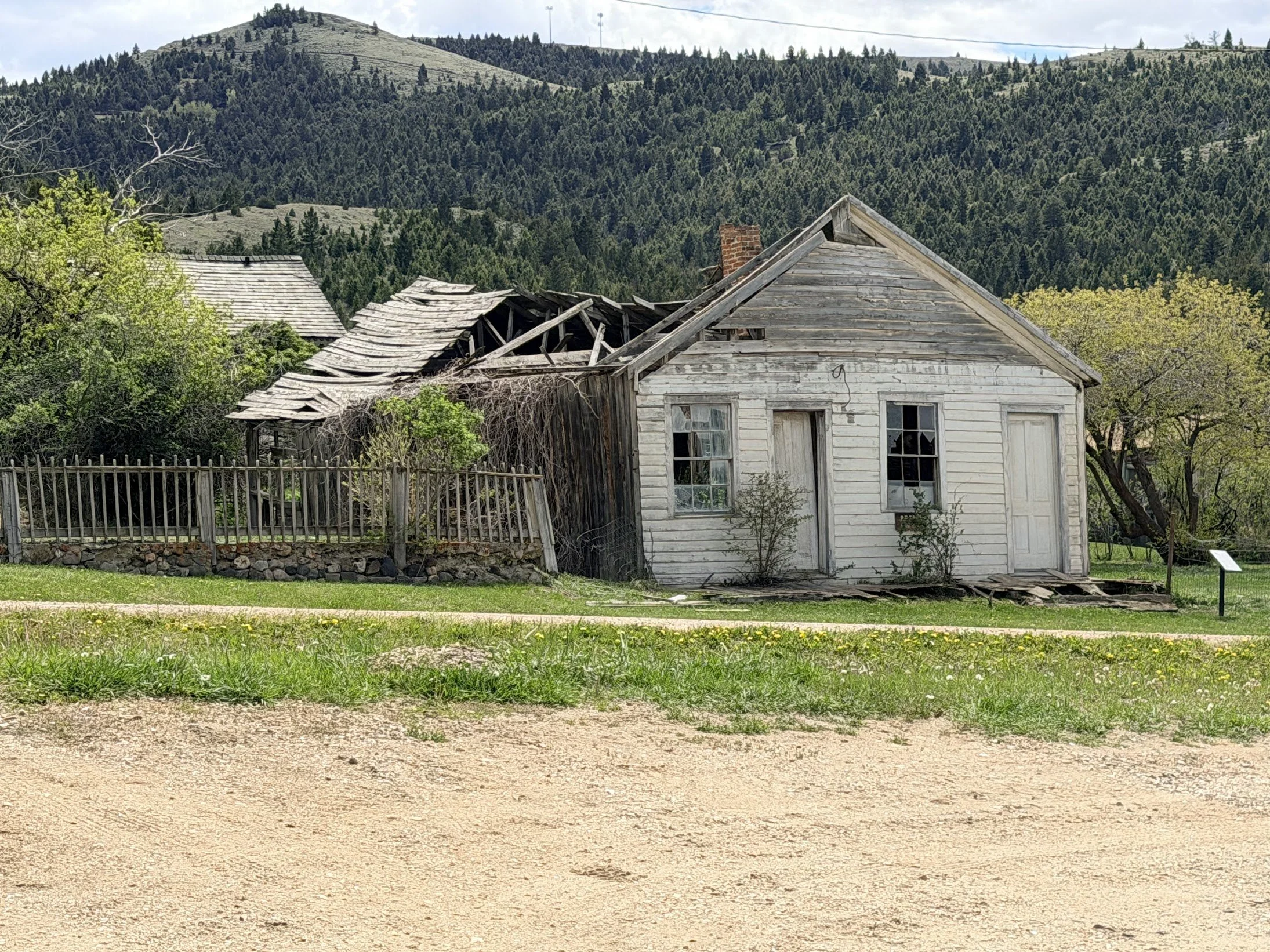
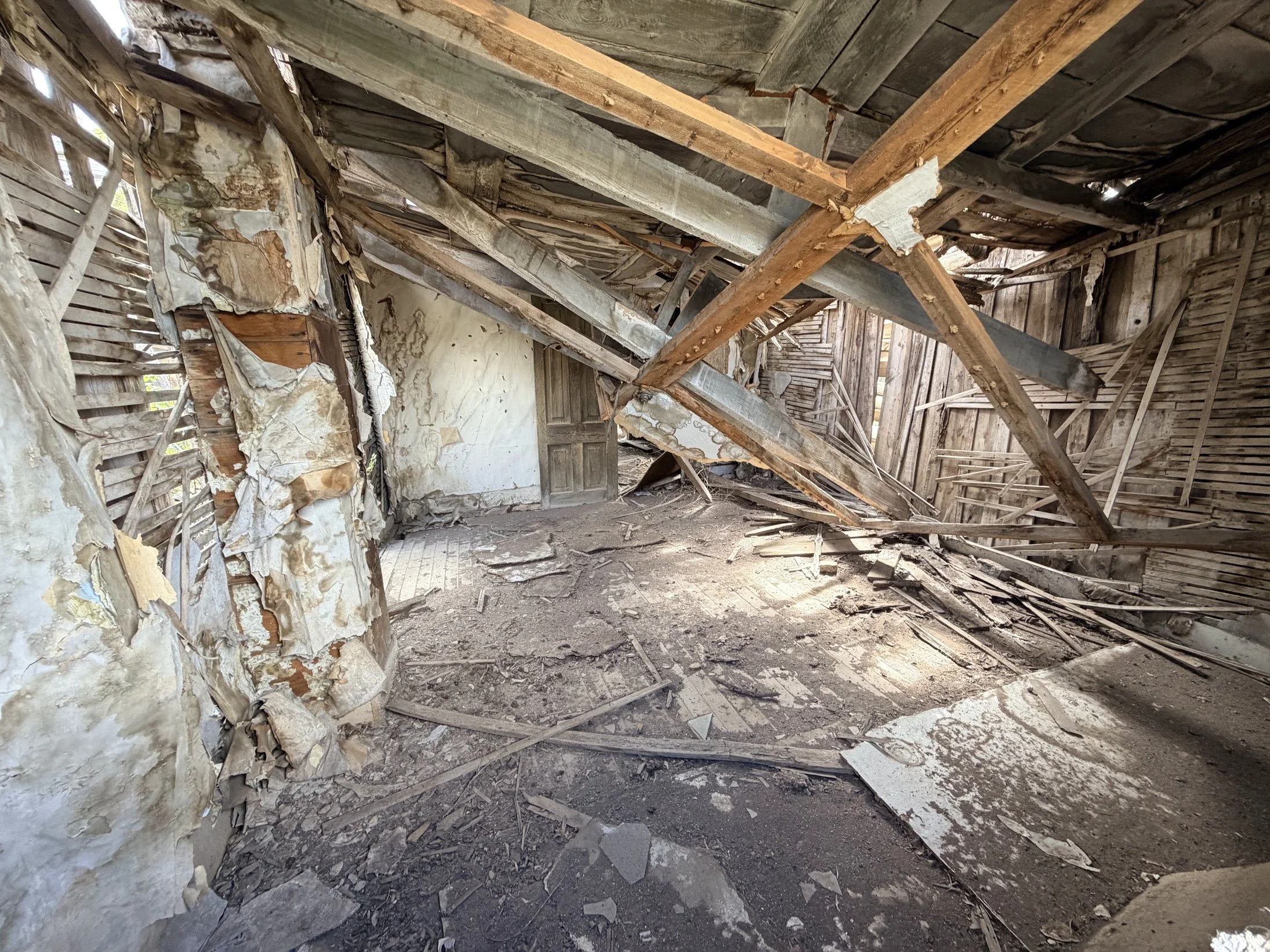
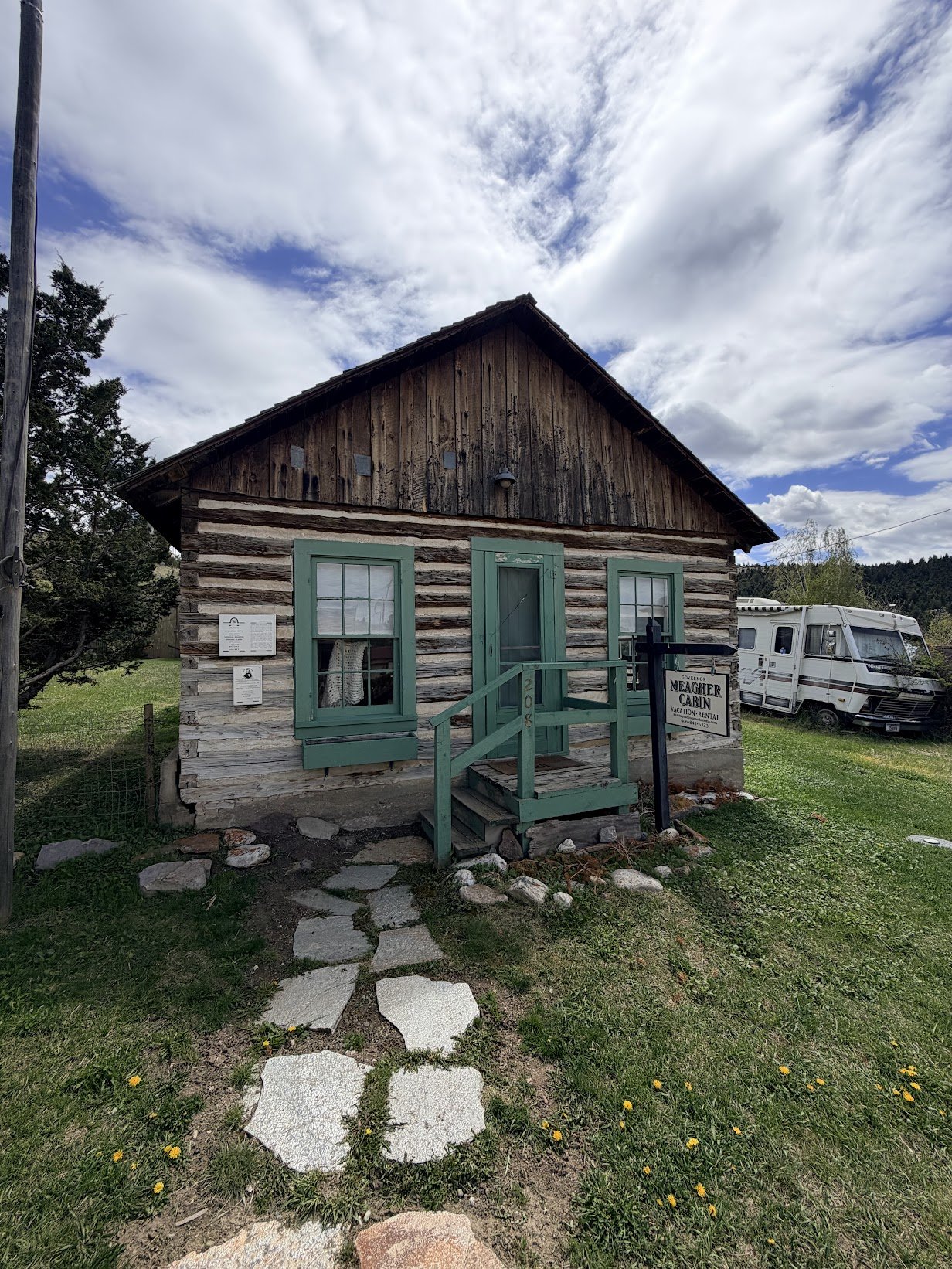
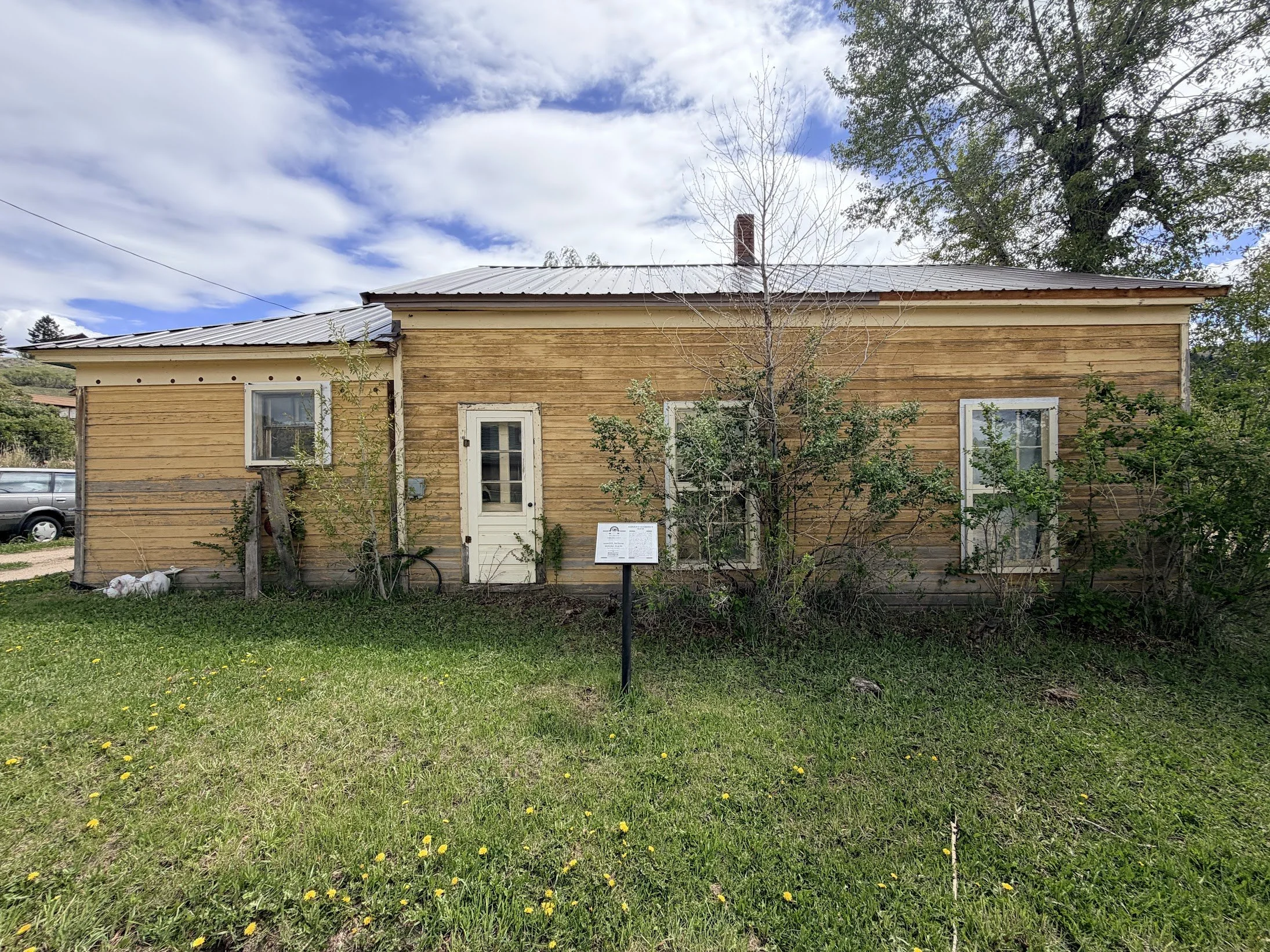
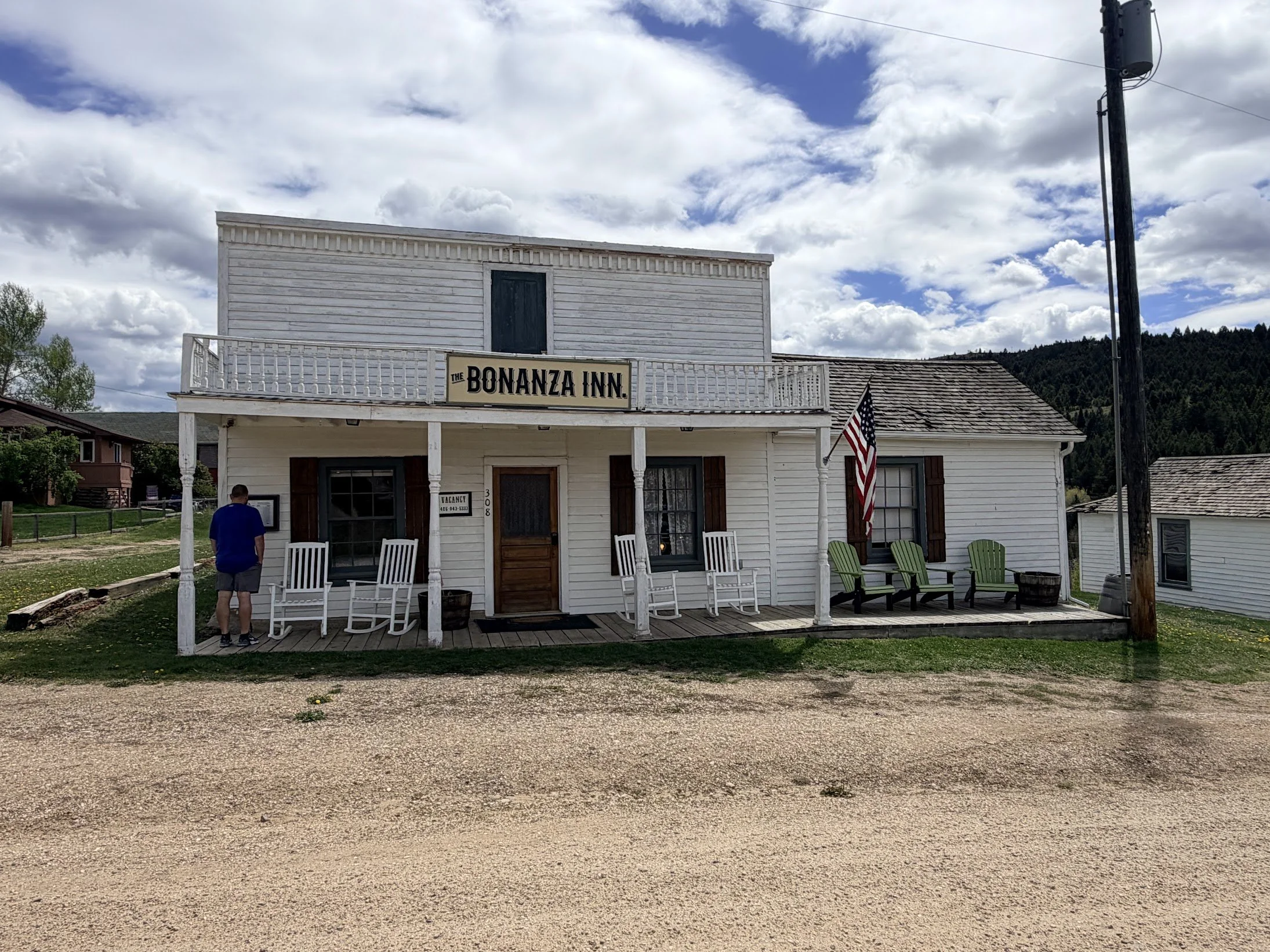
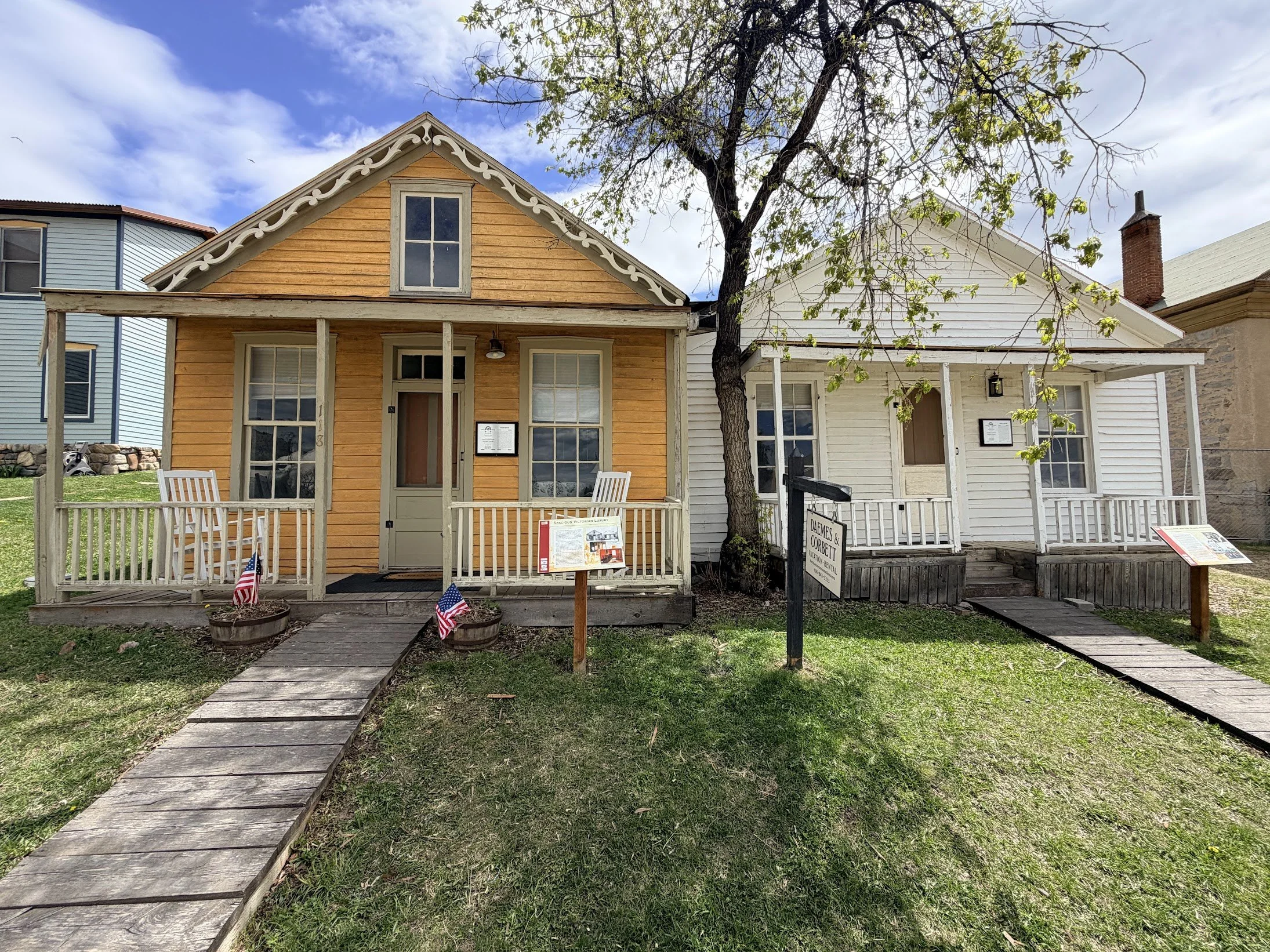
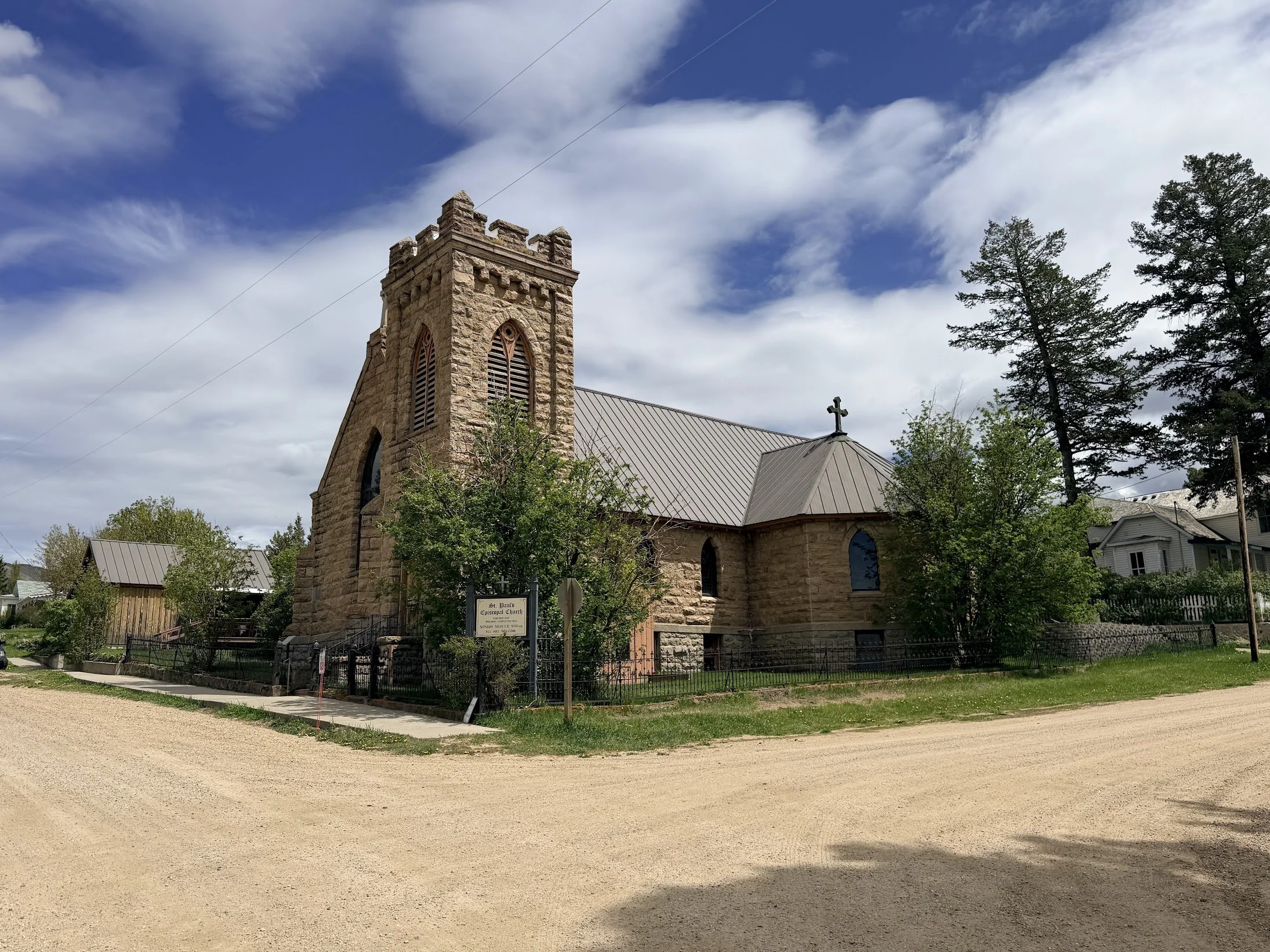
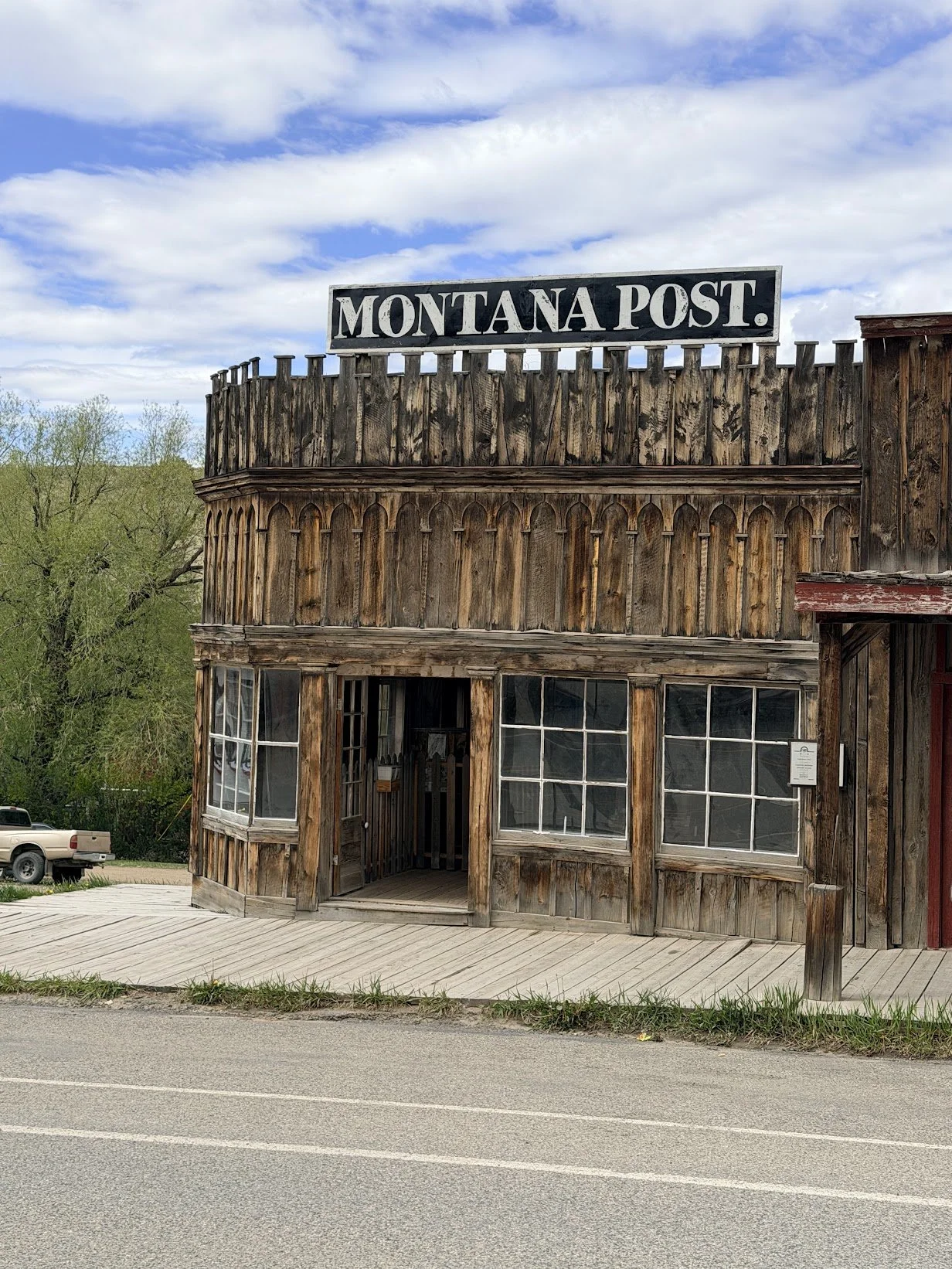
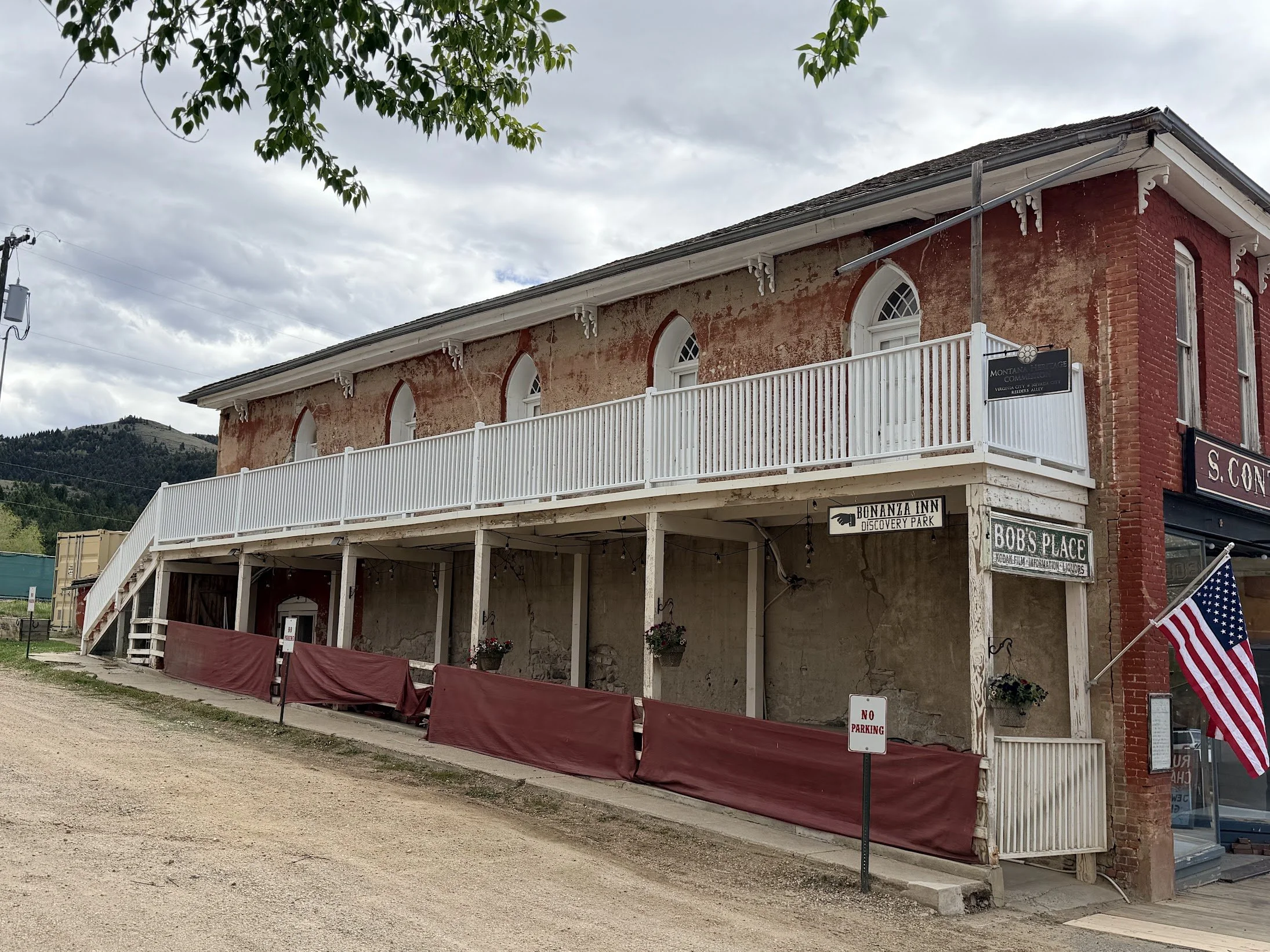
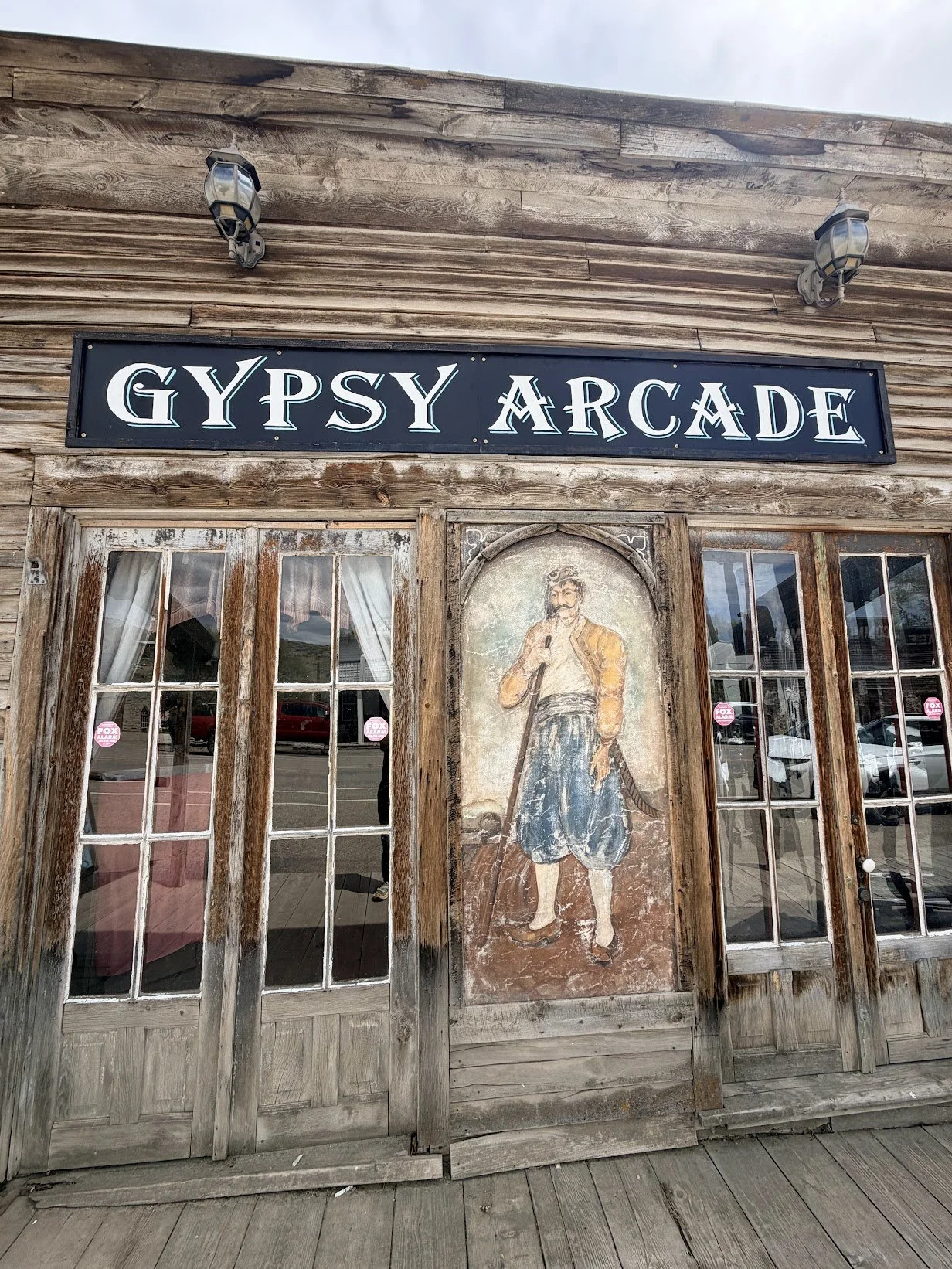
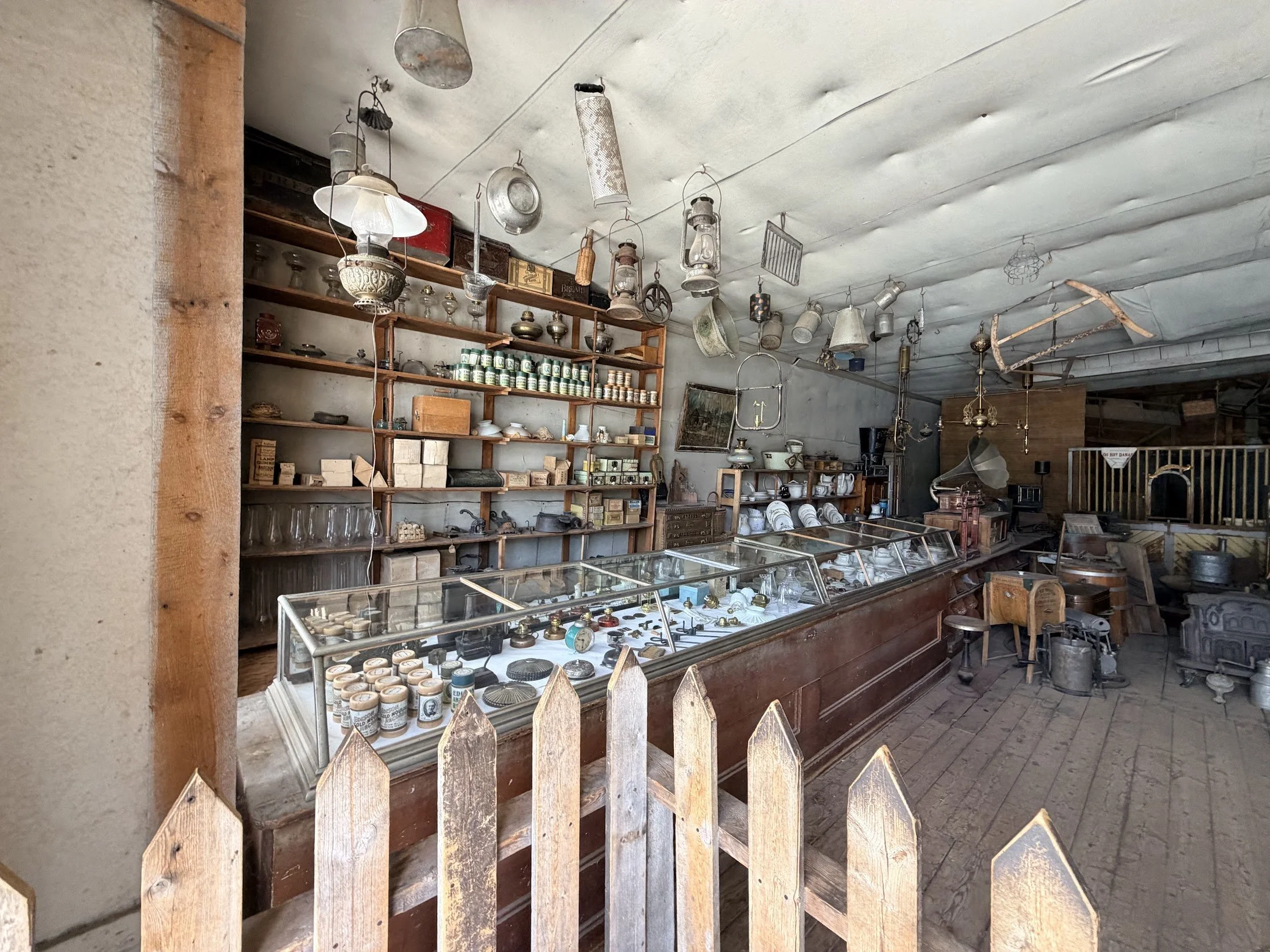
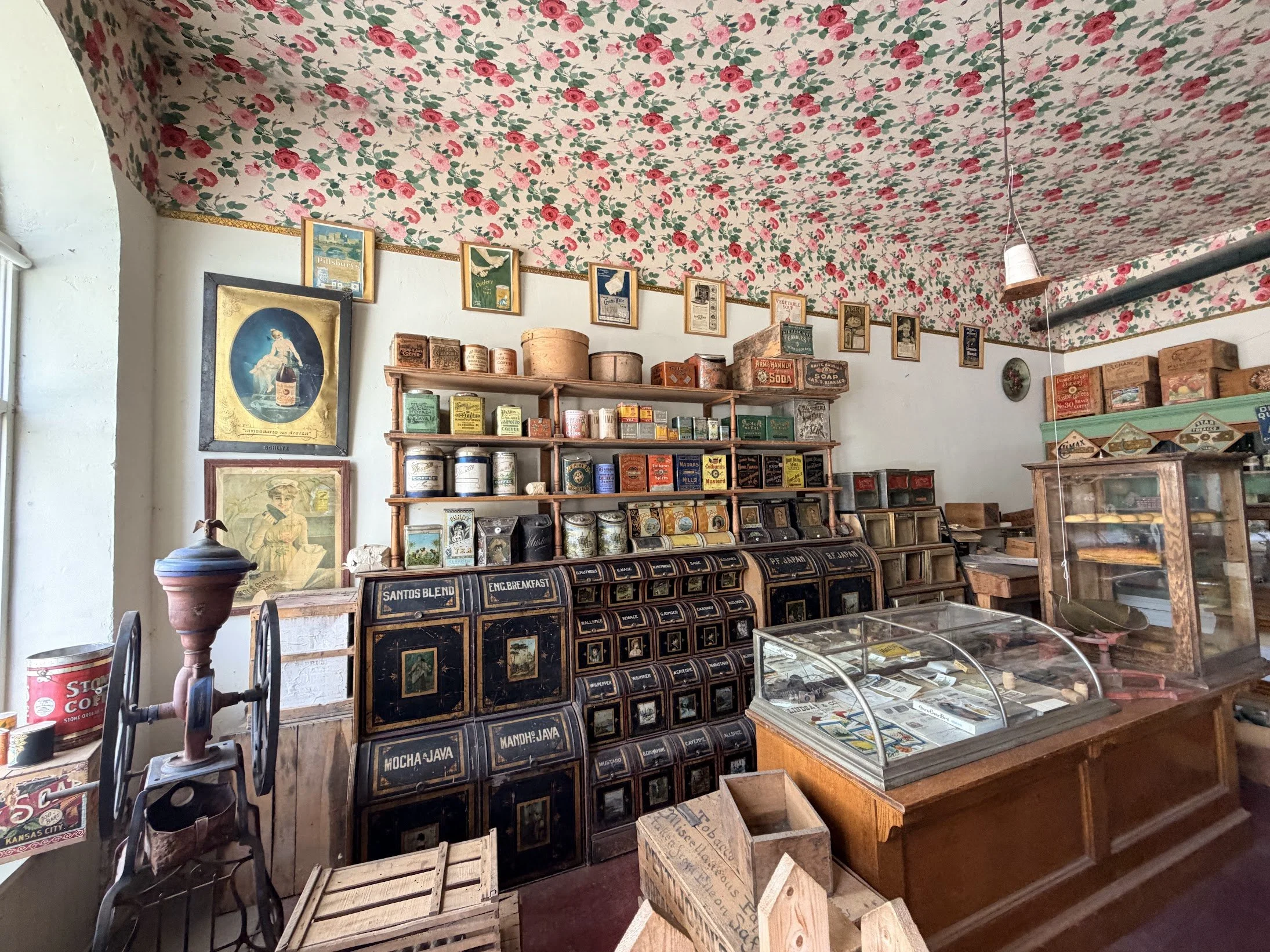
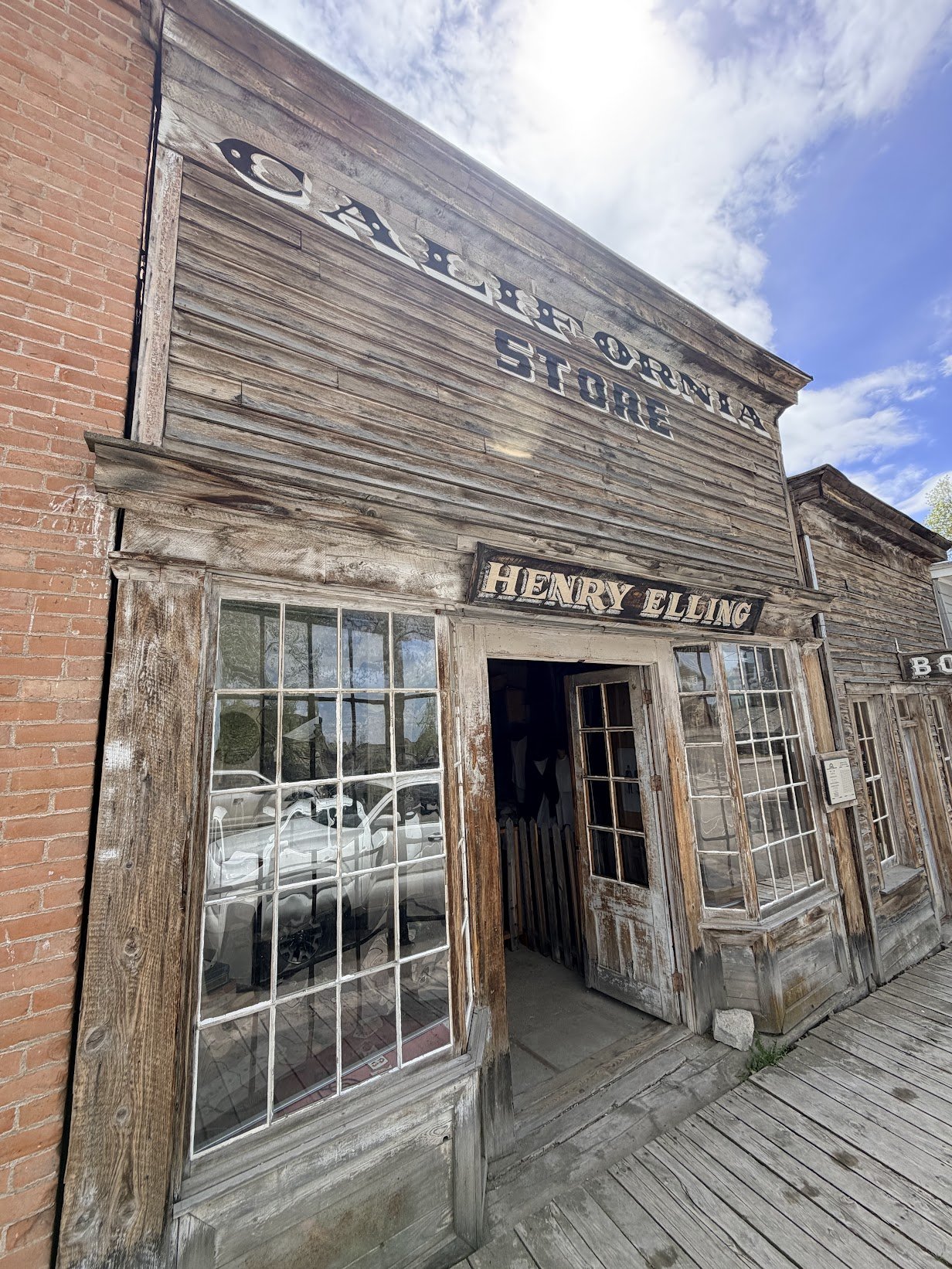
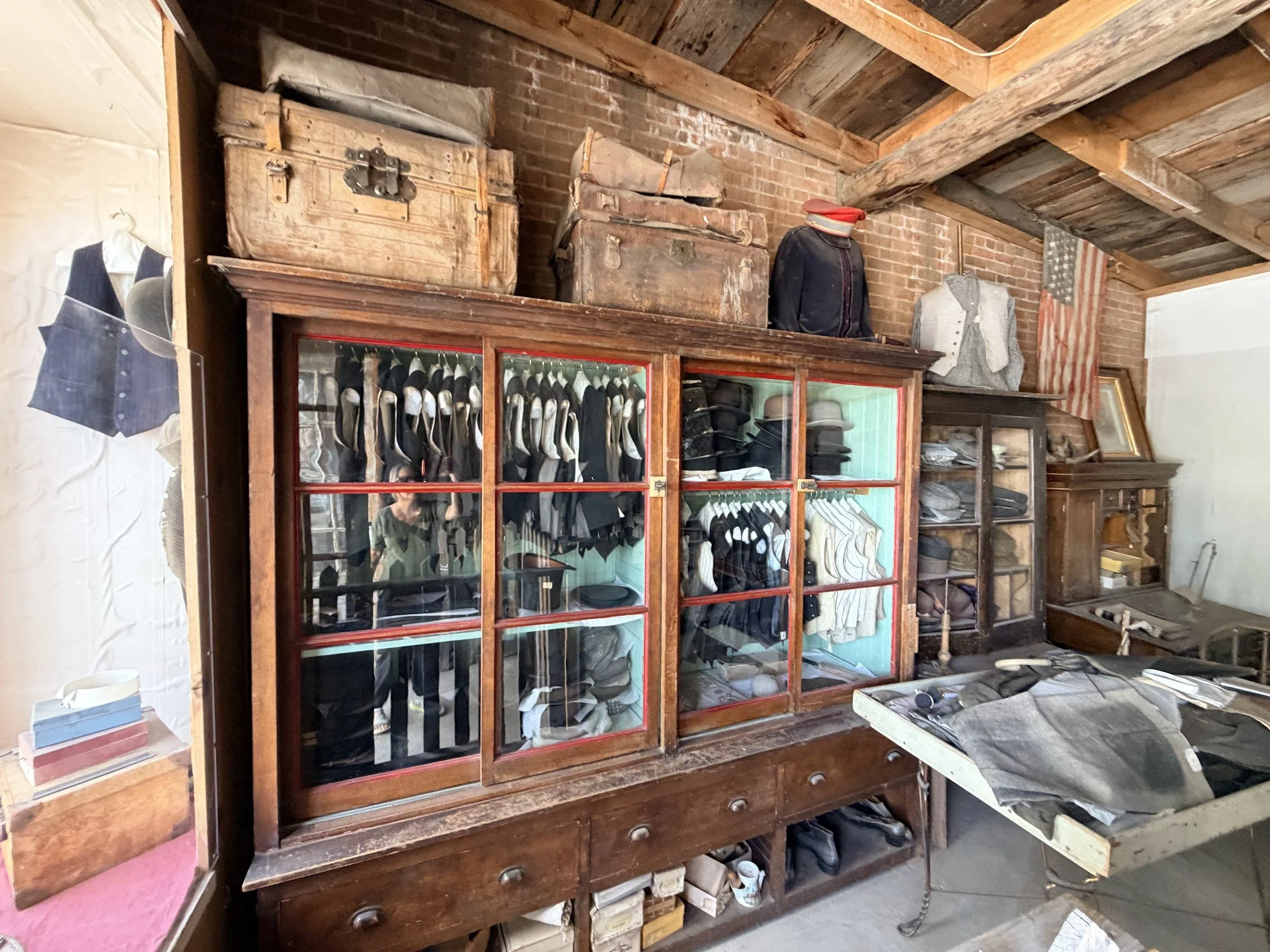
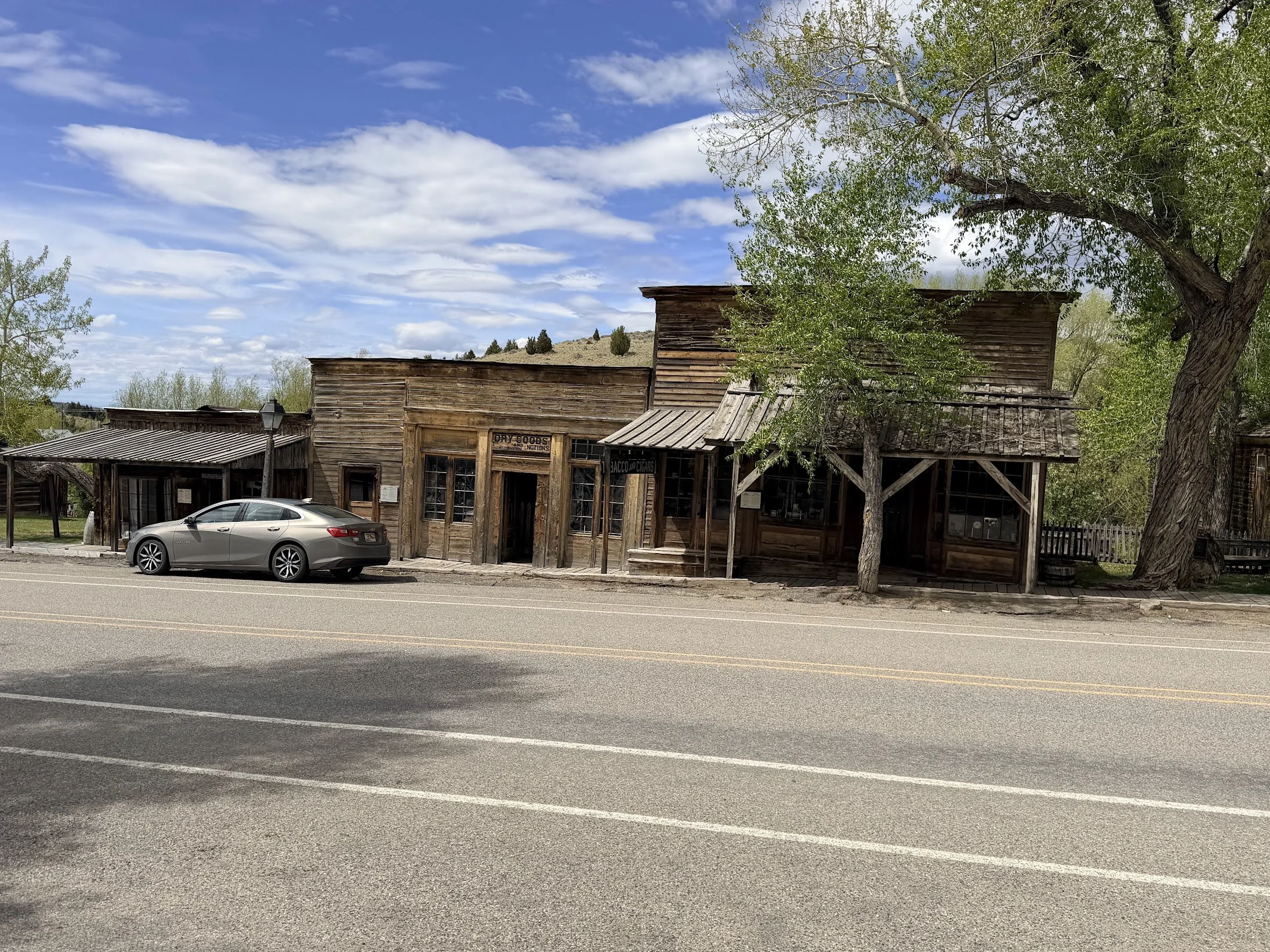
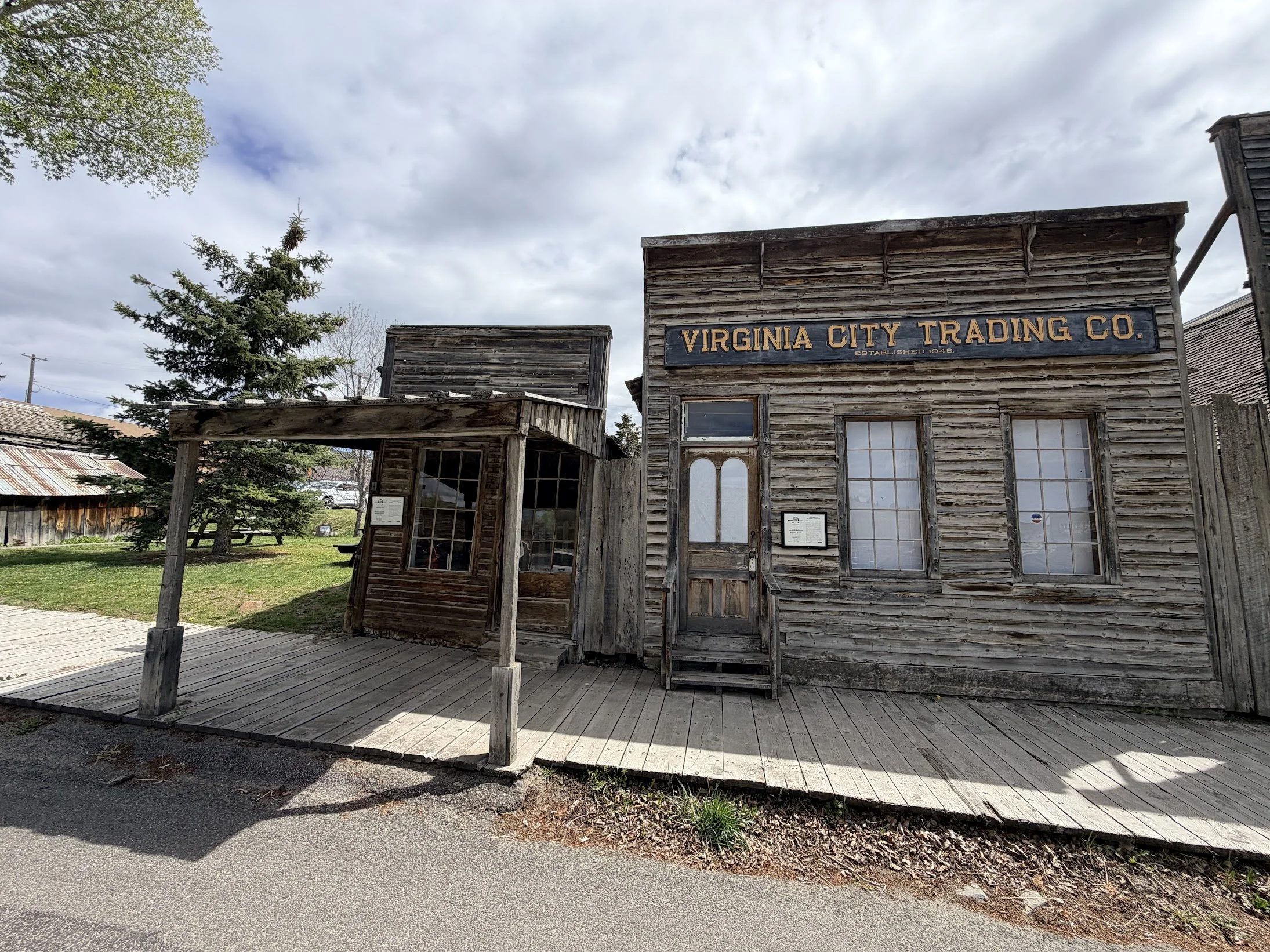
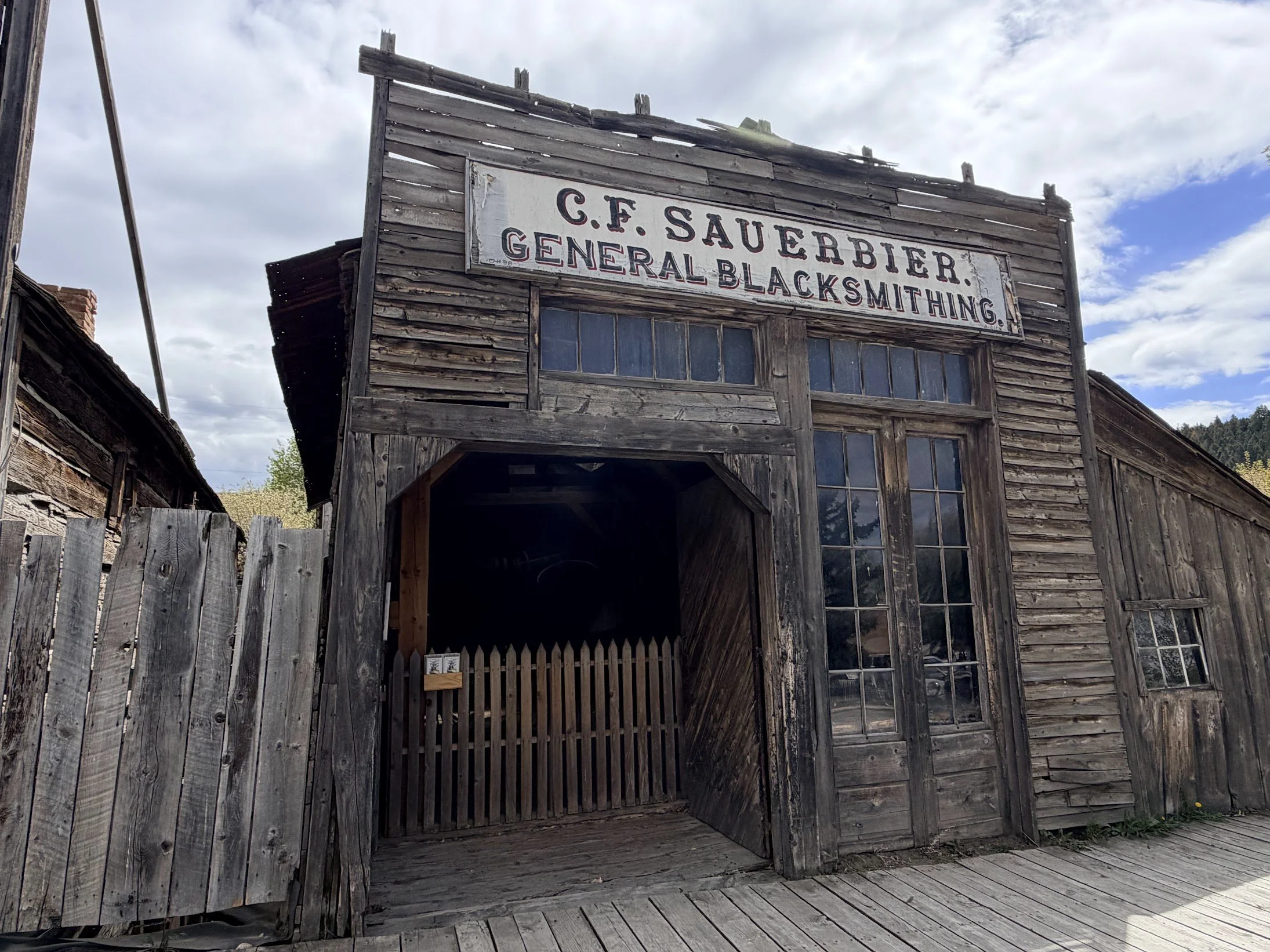
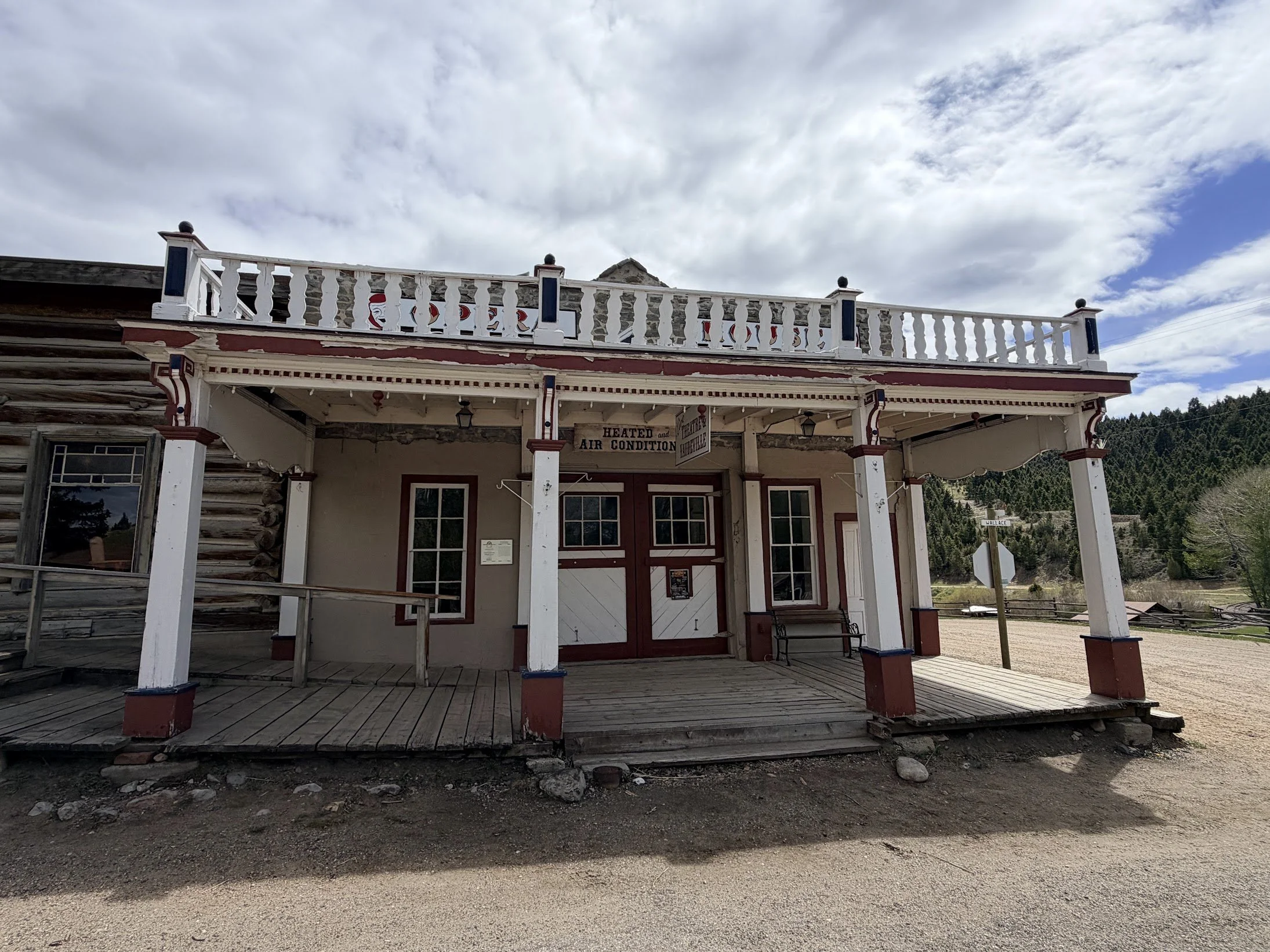
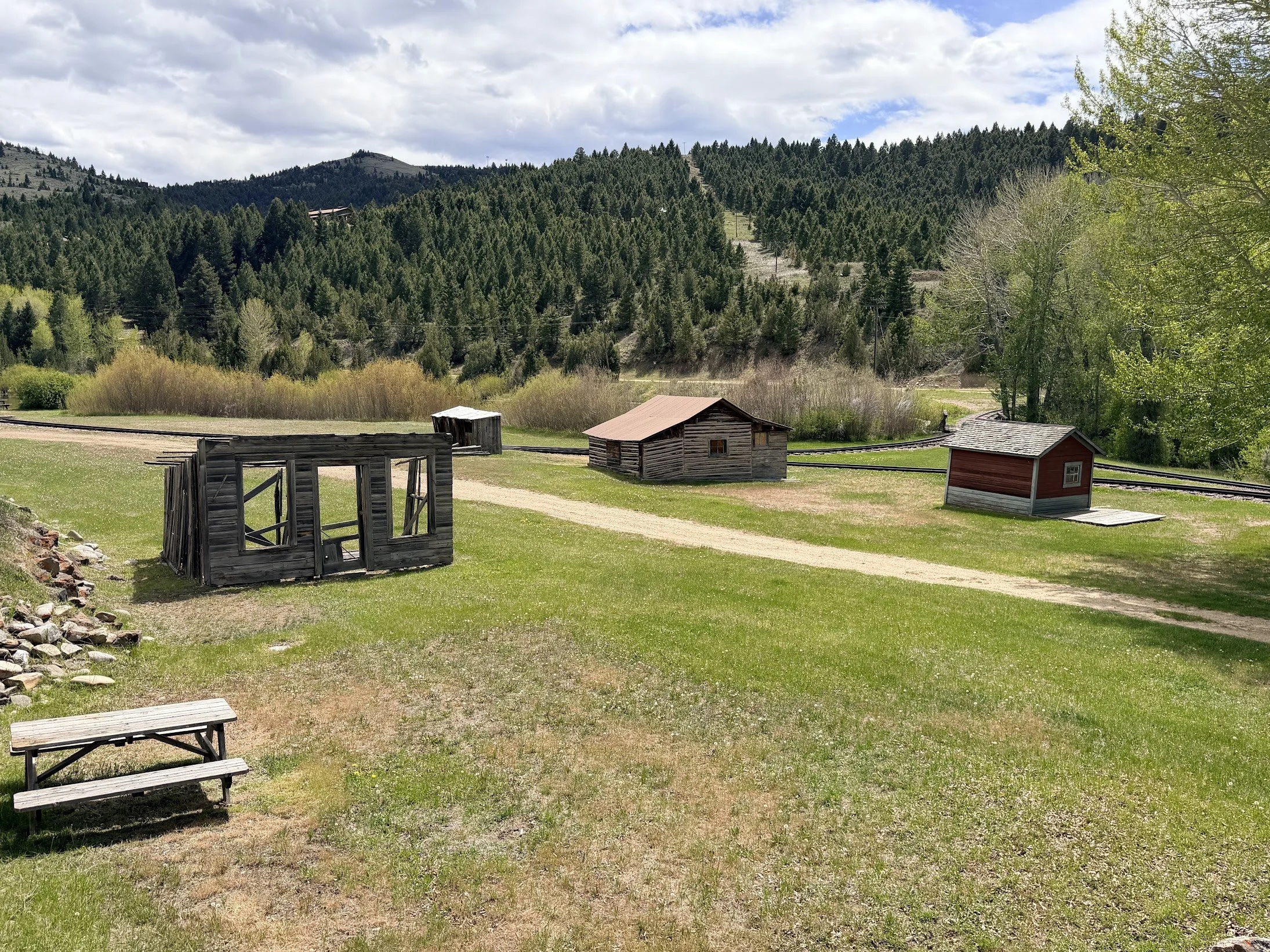
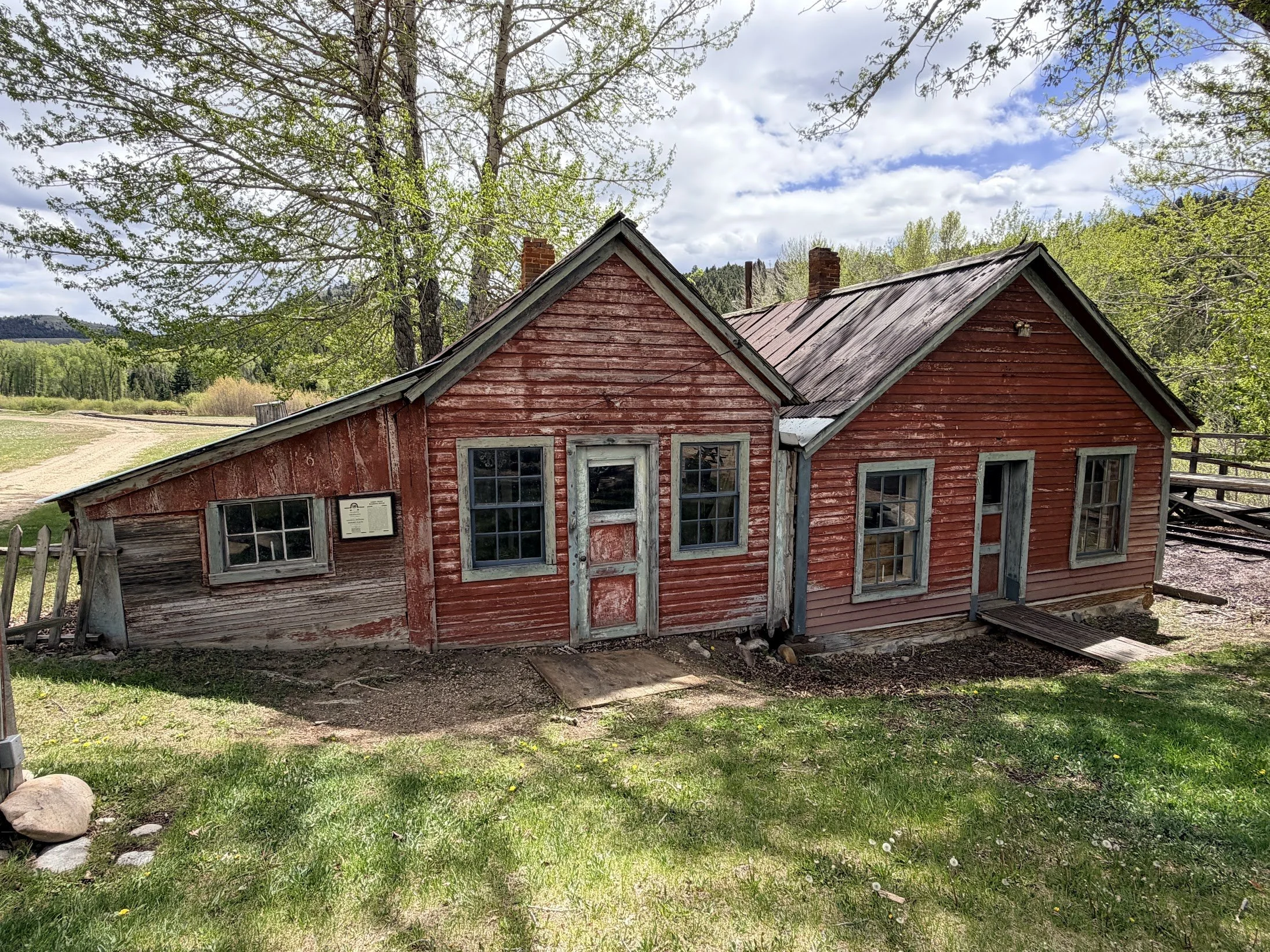
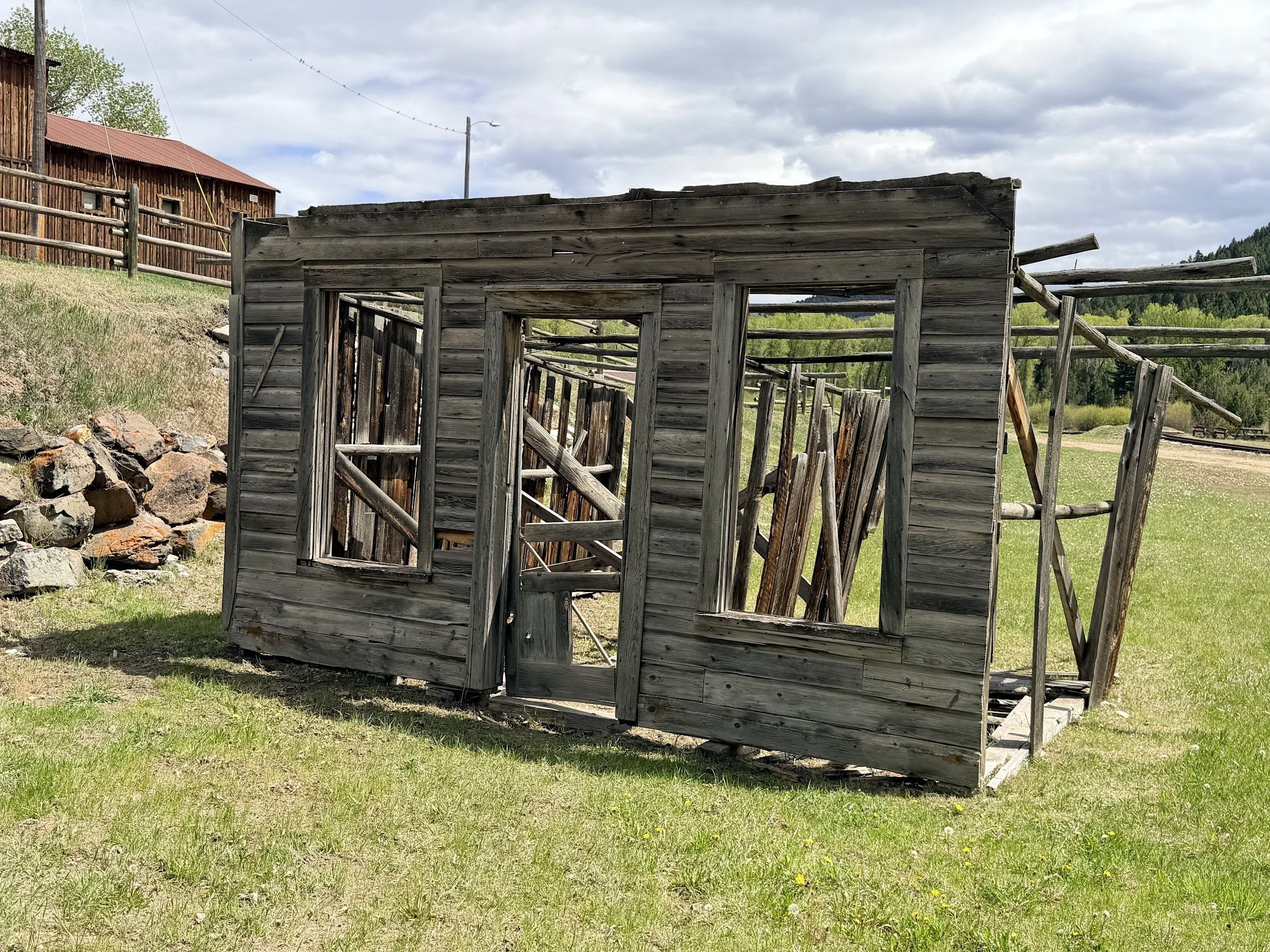
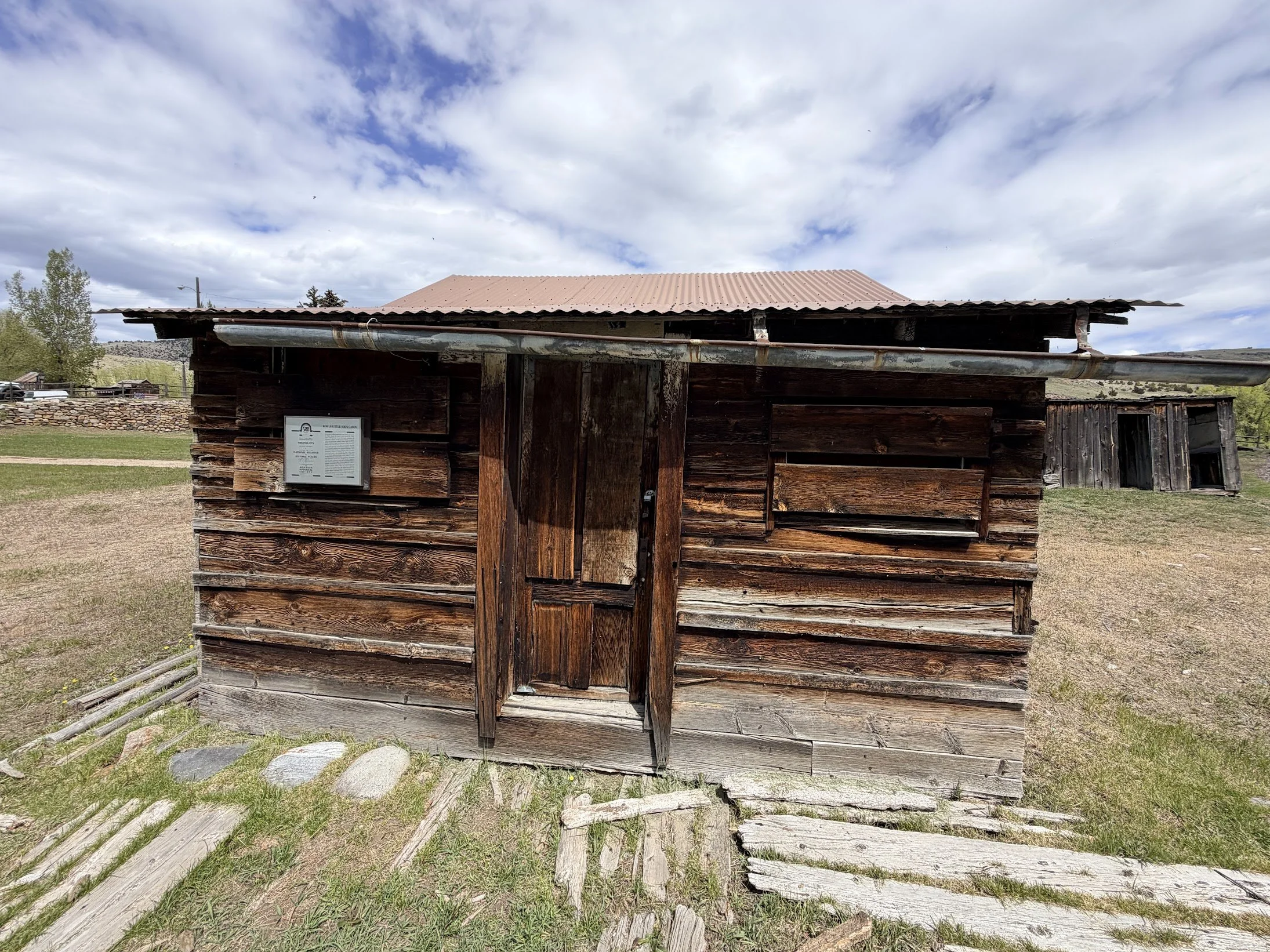
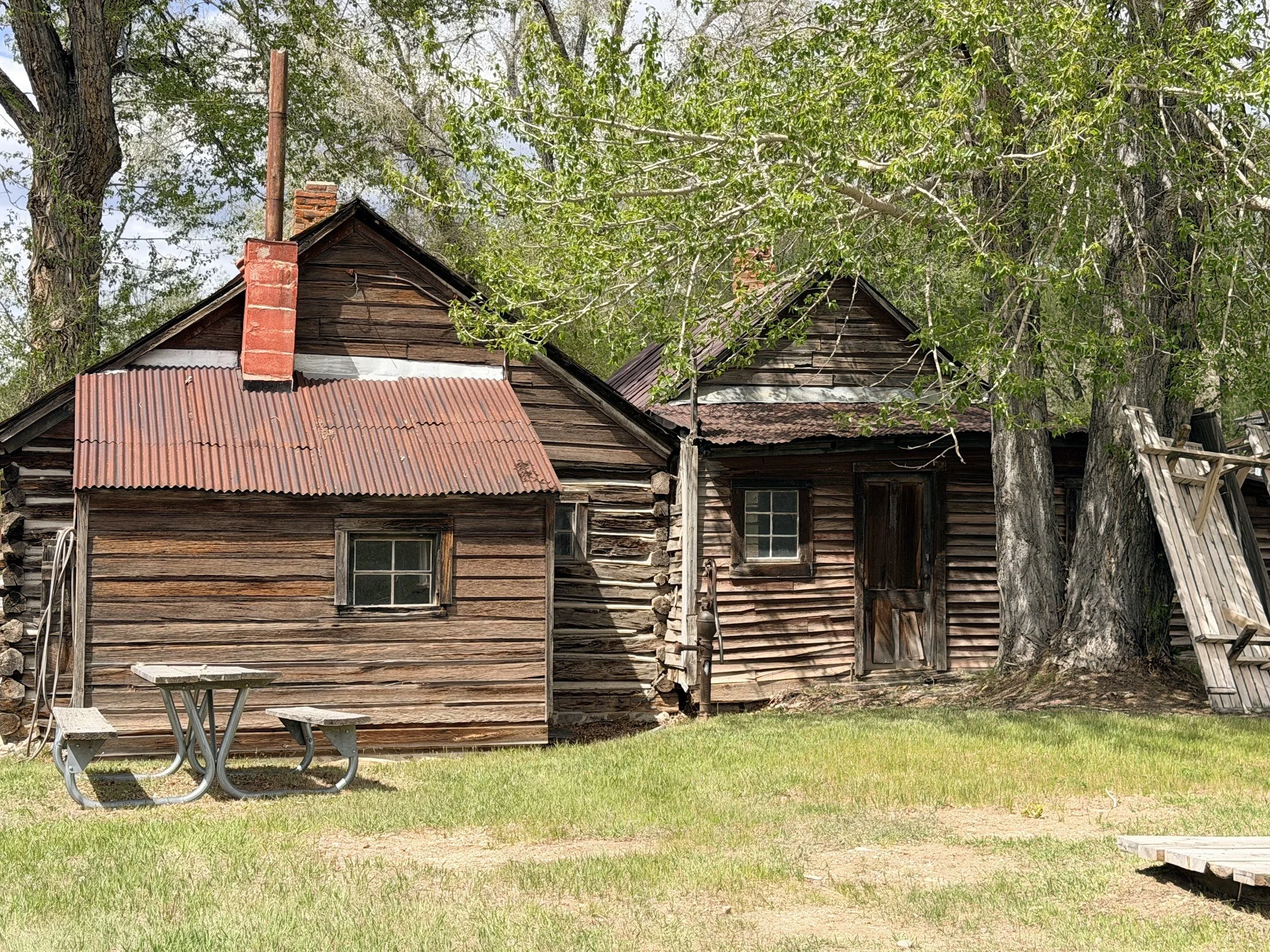
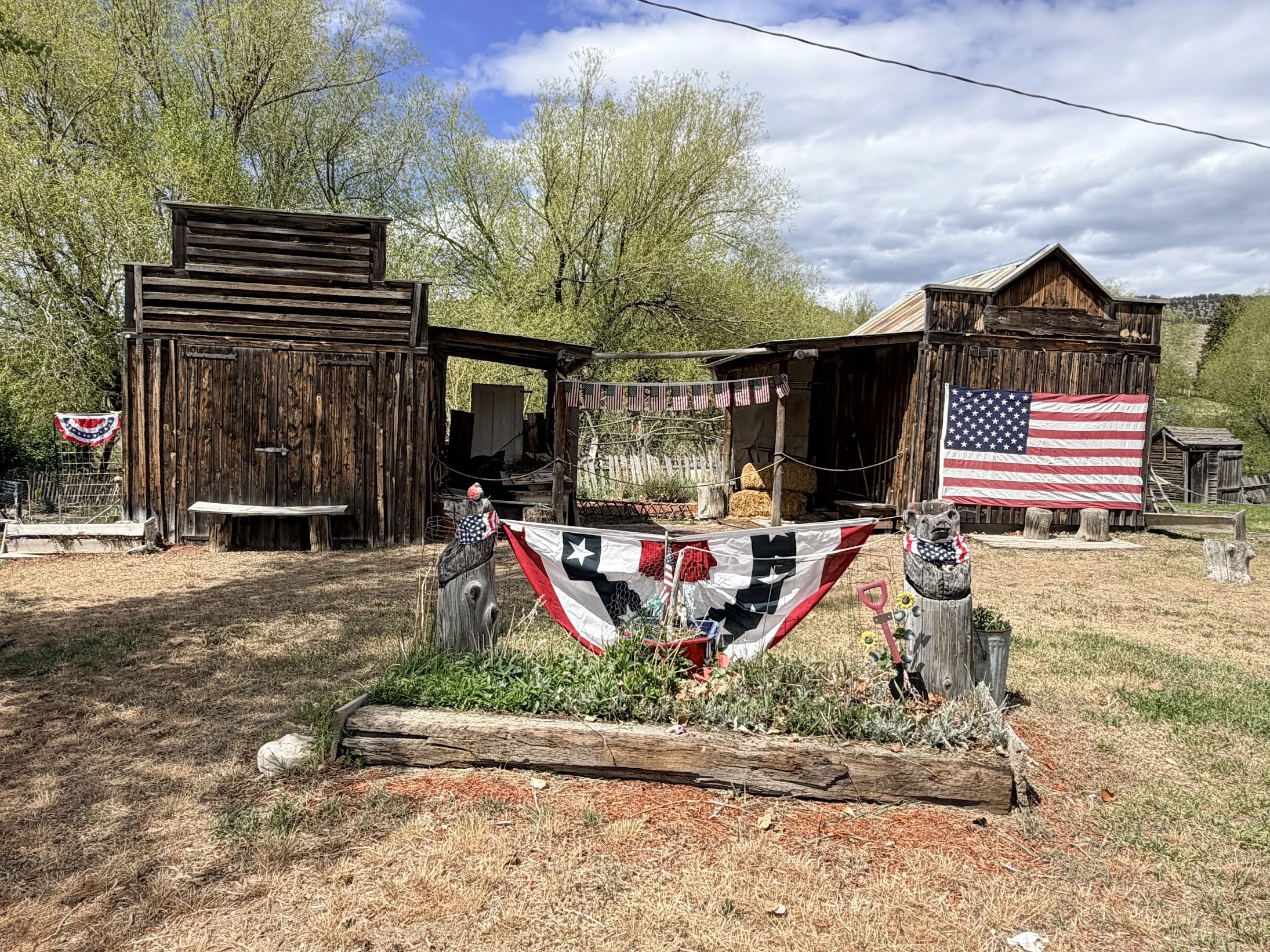
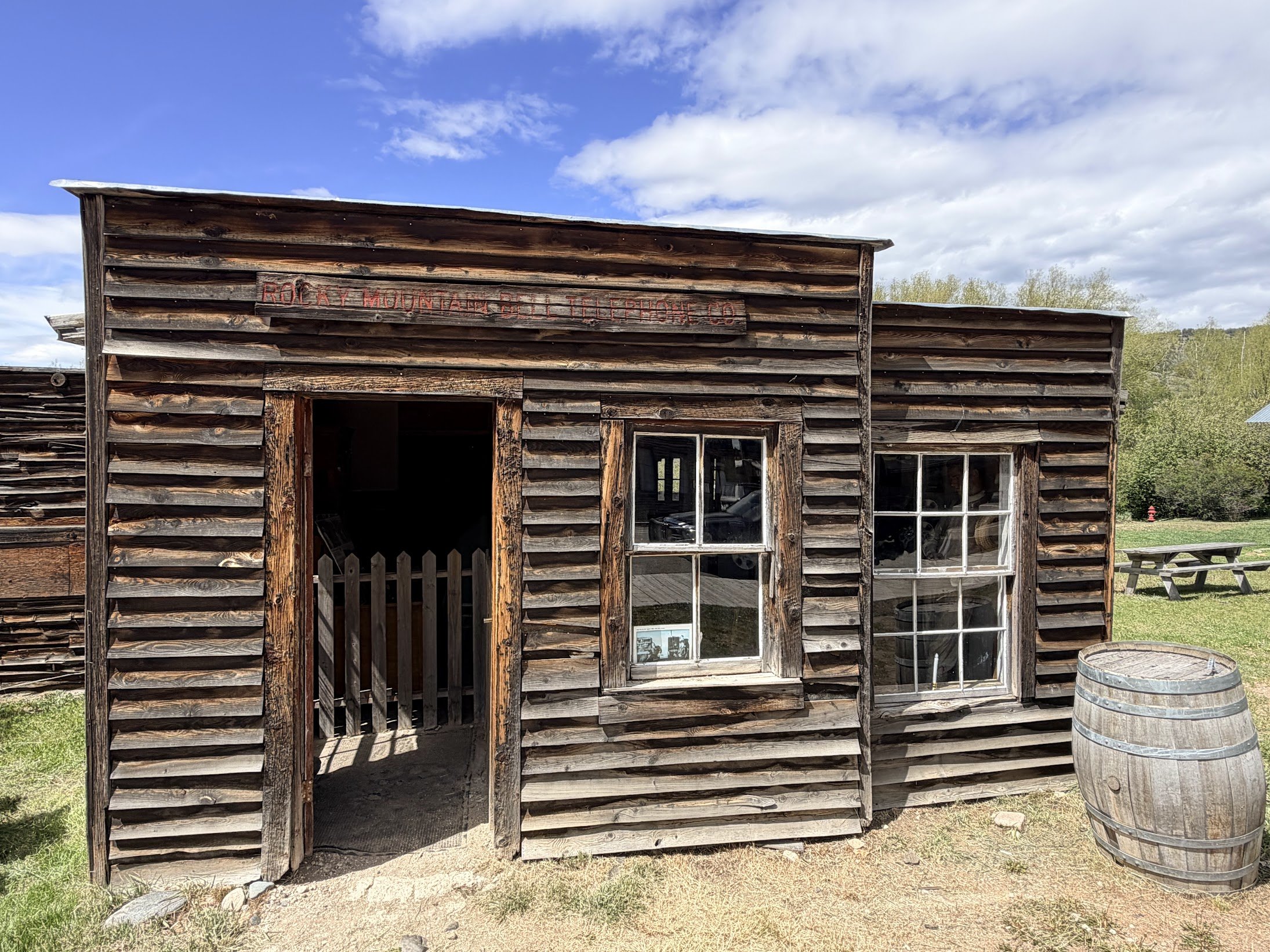
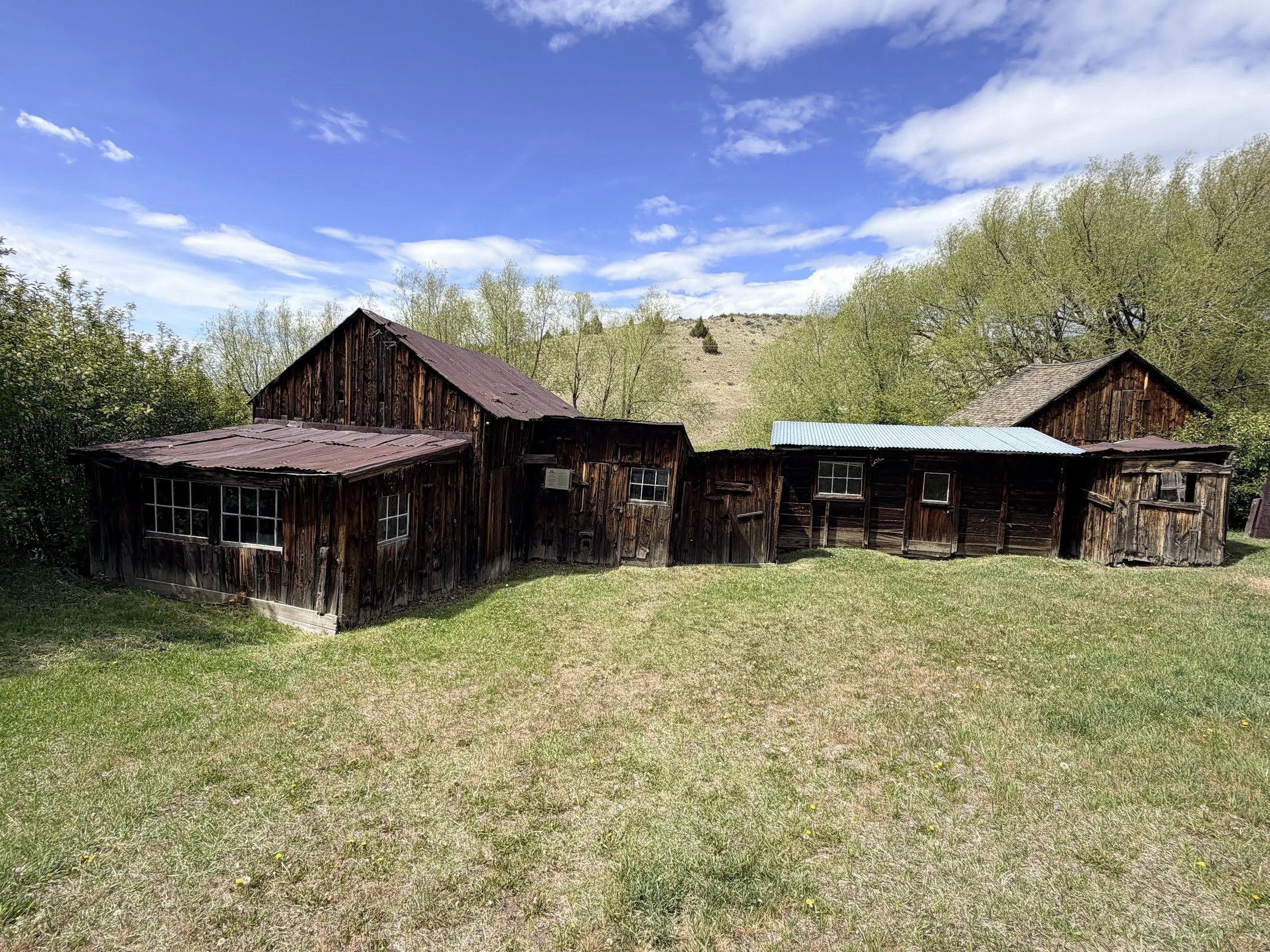
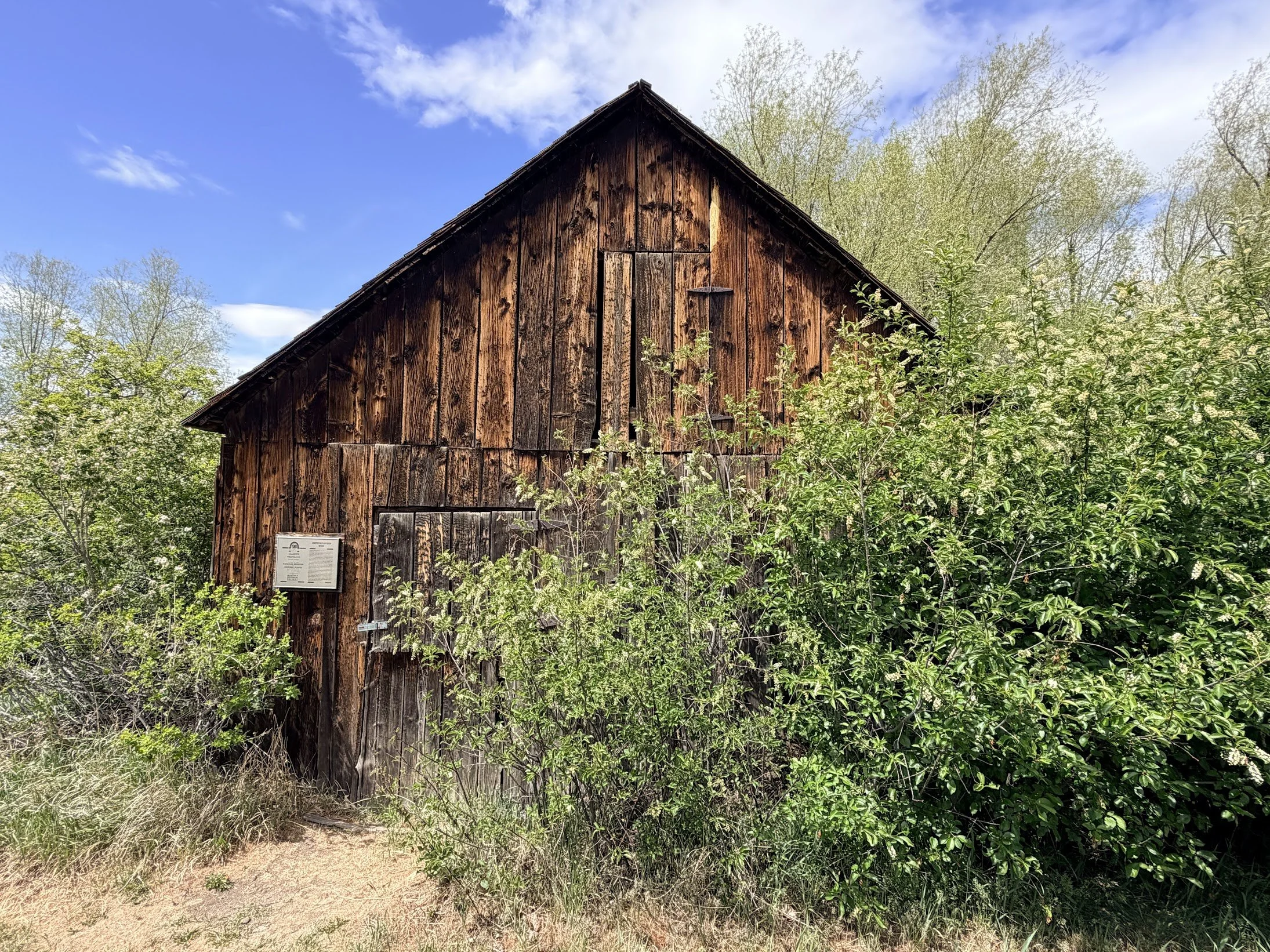
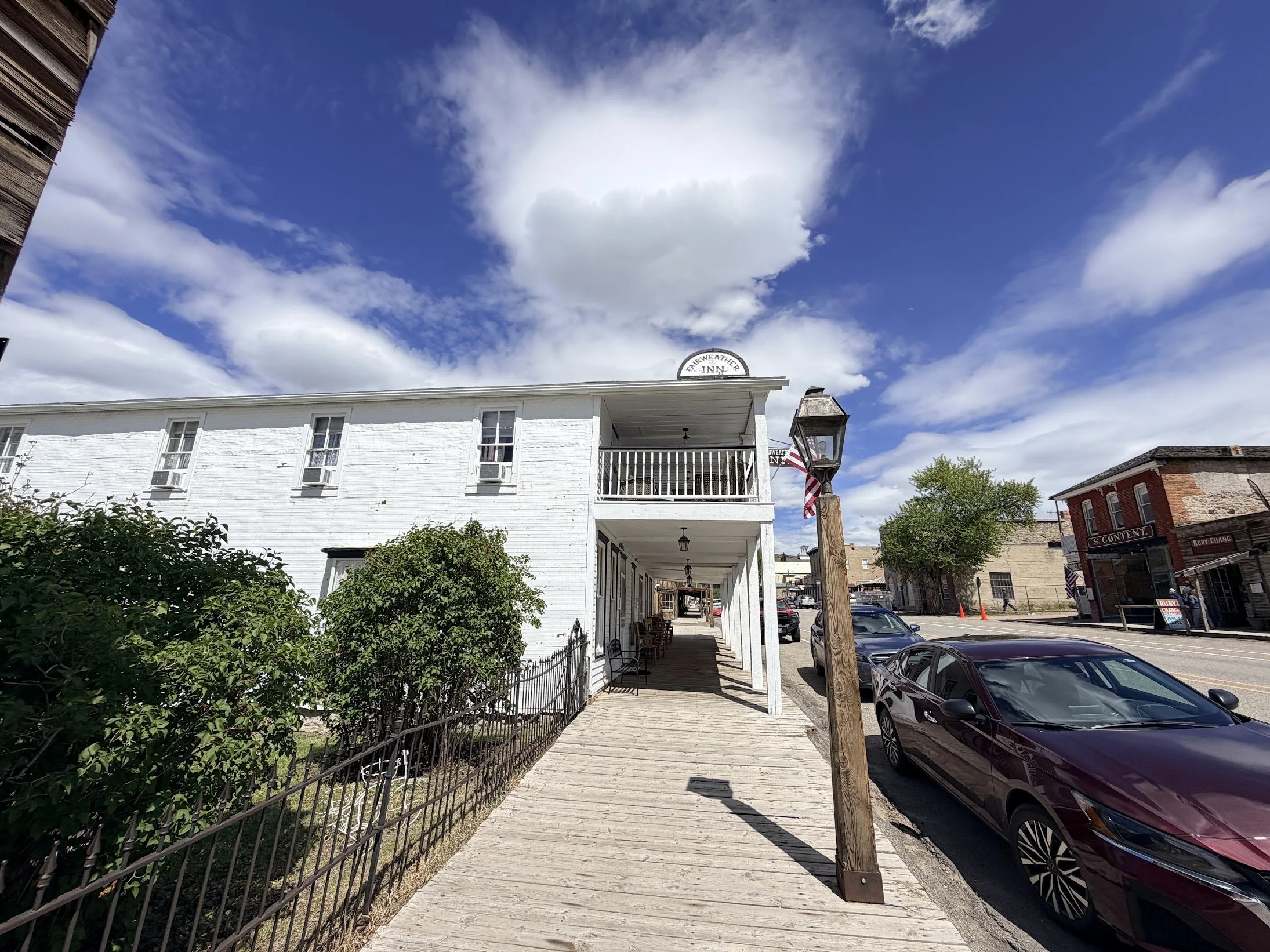
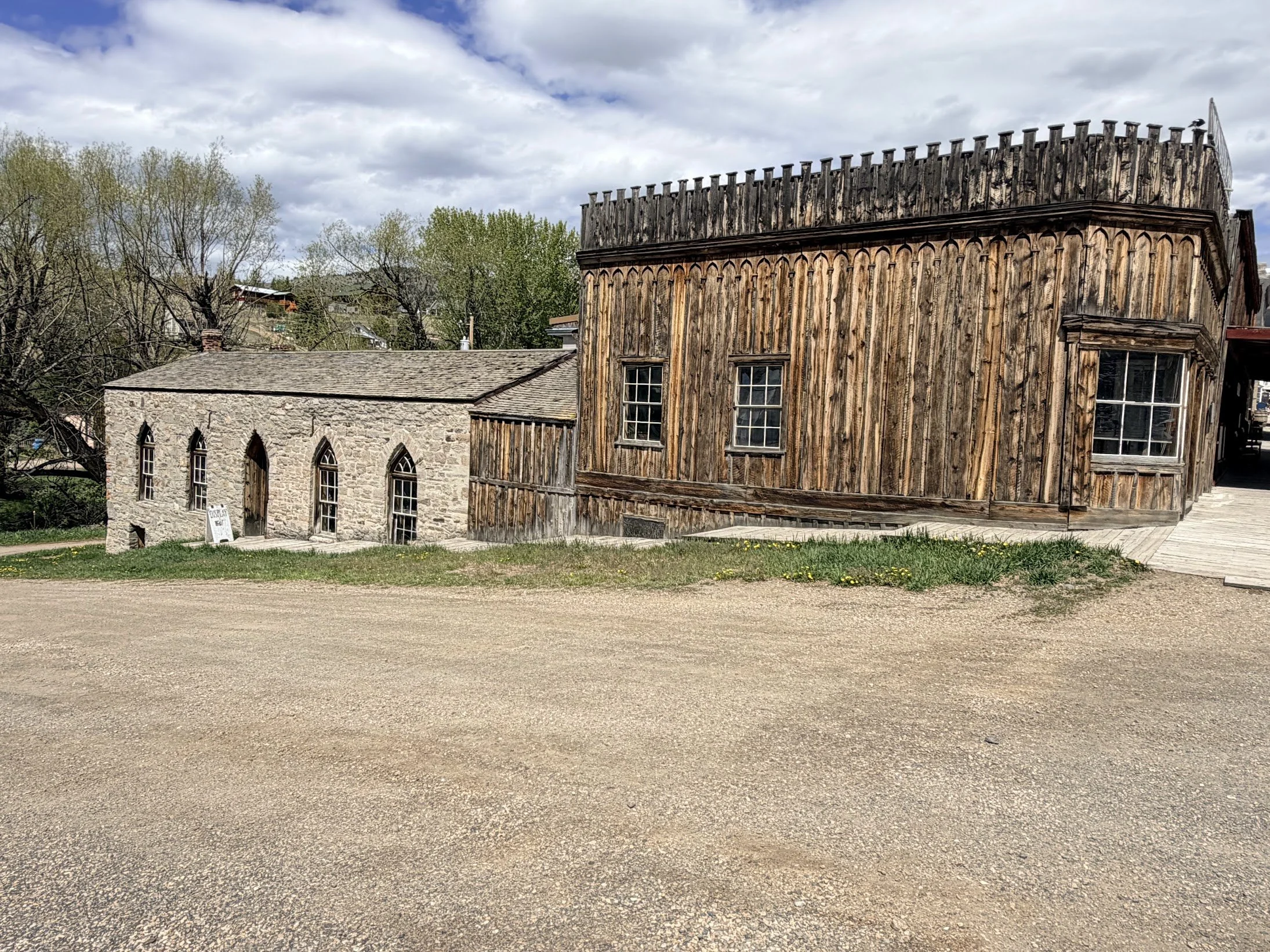
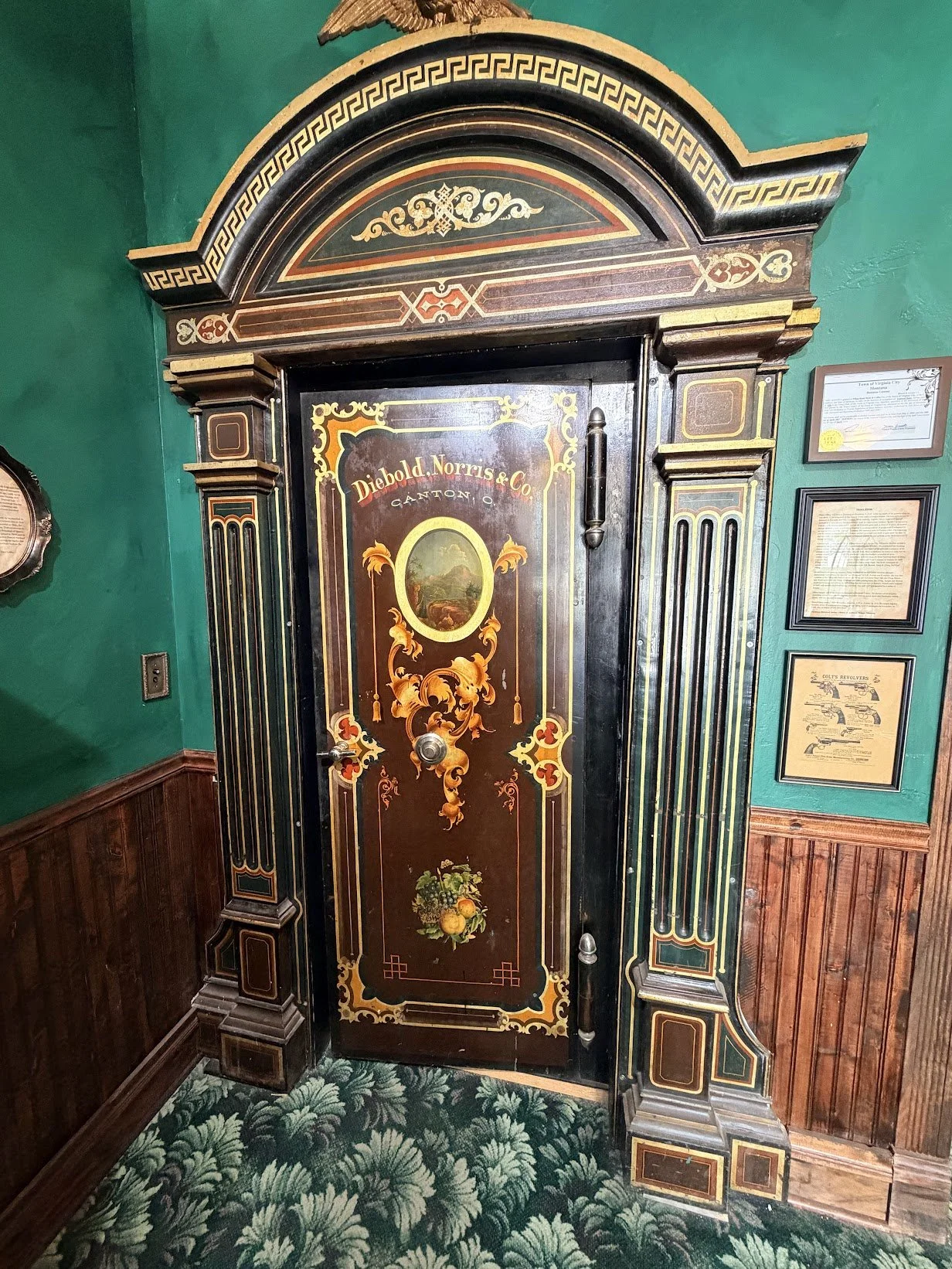
What makes Virginia City special today is how much of it survived. Many of the buildings lining the streets are the originals. The boardwalks, storefronts, hotels, and saloons aren't recreations. They're the same structures that witnessed the gold rush more than 160 years ago. Walking through town genuinely feels like stepping into a time machine.
Naturally, the guys had to stop at the Pioneer Bar for a cold beverage. It seemed like the responsible thing to do. If you're sitting in a historic saloon surrounded by original frontier architecture and don't order a drink, I assume some long-dead prospector appears and files a formal complaint.
Final Stop: Sheridan
We wrapped up the day in Sheridan, our home base for the trip.
Sheridan was founded in the 1880s and became a ranching and agricultural community serving the Ruby Valley. Unlike many mining towns that rose and fell with the price of gold, Sheridan survived by building its economy around farming and cattle. The town still maintains much of its historic character, making it feel like one of those places where life moves at a pace humans were probably designed for before email notifications became a thing.
The views are incredible, the streets are quiet, and the entire town has a relaxed atmosphere that makes you briefly consider abandoning modern life and becoming a ranch hand. Then you remember indoor plumbing, air conditioning, and the fact that you'd probably last three days before a cow humbled you.
Montana is already delivering exactly what we hoped for: history, mountains, small towns, good drinks, and enough Wild West energy that by the end of the day we were using words like "gulch" in normal conversation. Day 2 had a lot to live up to.